
Guide
Why Garage Door Springs Snap in Skokie's Cold Winters
Skokie's housing runs 1938 to 1994, median 1963, and most of it still carries original torsion hardware. Here's why cold snaps break springs and what happens next.
Local detail
What the Weather Here Does to It
Skokie sits in a cold-moderate climate band, and that's the part that matters for a torsion spring. Steel wire contracts as temperature drops, and a spring that's already wound tight all year gets tighter still on a cold night. Add in decades of cycling - the door going up and down every day since whenever the house was built - and you've got wire that's fatigued from the inside before it ever snaps on the outside.
That fatigue timeline matters here because of what's actually on these houses. Housing in this area was built mostly between 1938 and 1994, with the median build year at 1963. A lot of those homes never had their torsion springs swapped out. So you've got sixty-plus-year-old wound steel meeting a hard cold front, and the spring finds the weak point it's been building toward for years. It doesn't fail because it's cold outside on its own - it fails because cold is the last straw on top of decades of cycles.
The honest version: we can't tell you the exact night your spring will go. Nobody can. What we can tell you is that the calls cluster on the first real cold snap of the season, every year, for exactly this reason.
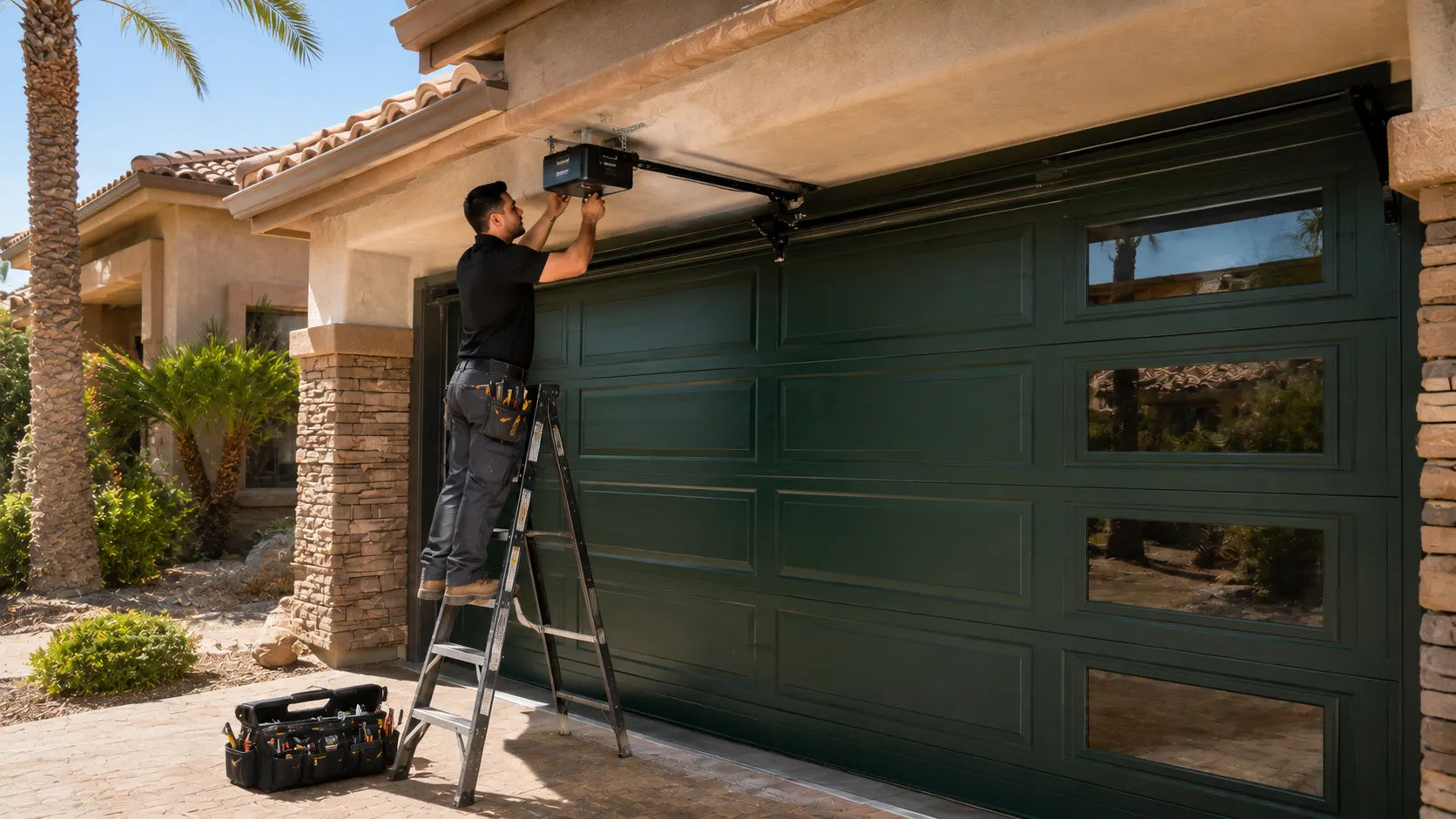
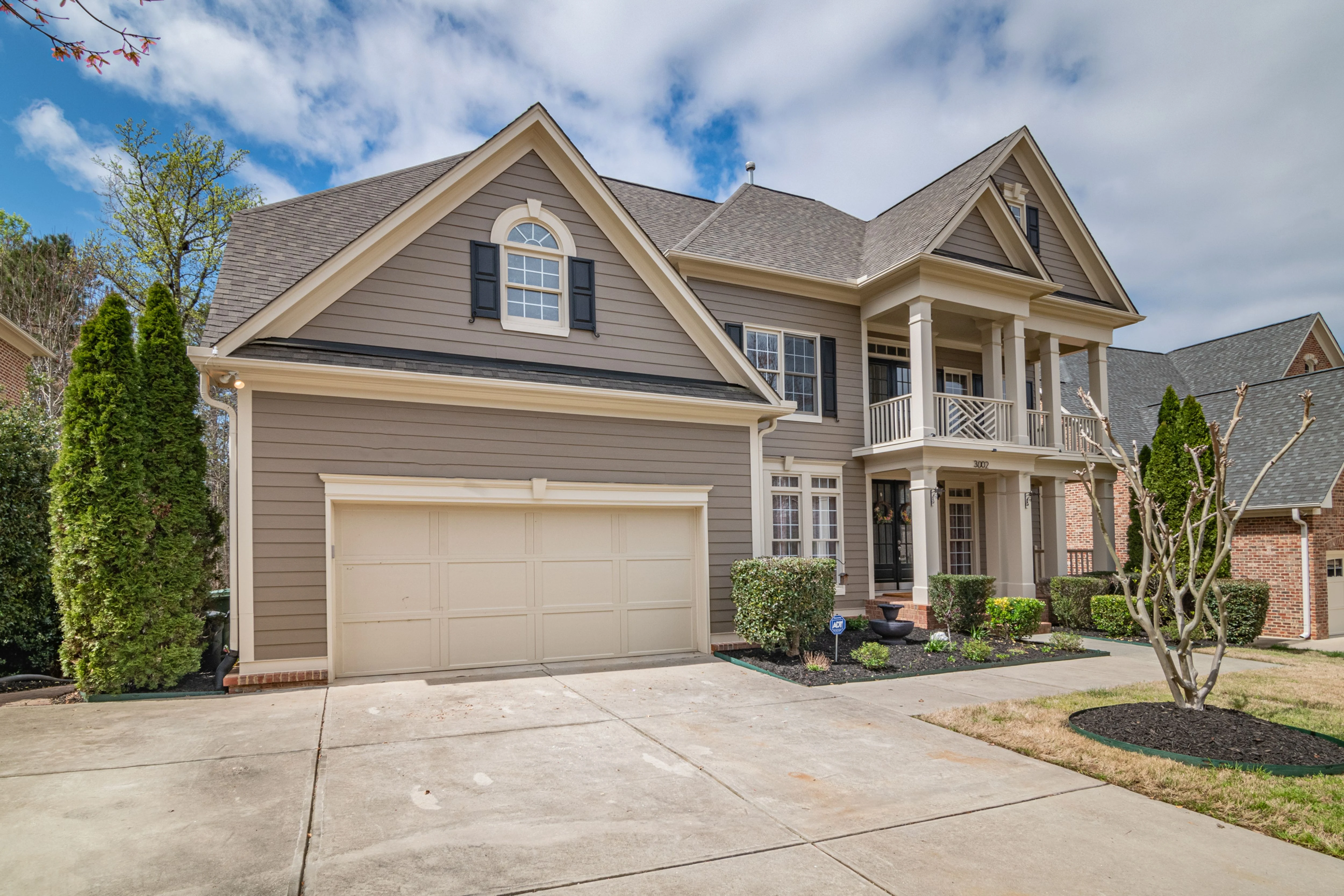
The area
Season by Season
Early winter is when the phone starts ringing. The first sustained cold stretch after a mild fall is when marginal springs that made it through summer finally let go - the steel's been losing flexibility since it went in, and the first hard freeze is often the thing that finishes the job.
Midwinter is steadier. If a spring survives the first cold snap, it usually holds through January and February unless something else is wrong - a rusted cable end, a bent track, a roller that's binding and forcing the spring to work harder than it should.
Spring and summer bring a different problem: humidity swings that corrode cable ends and hardware on doors that have been sitting since the 1960s or 70s, which is when most of the housing stock here went up. That corrosion doesn't cause a dramatic break the way cold does, but it sets up the next winter's failure.
Fall is prep season, if you're going to do it. A spring that's showing a gap when the door's down, or making a noise on the way up, is telling you it's not going to make it through the first cold stretch. Waiting until the cold front actually hits means waiting in a line of other houses with the same age of hardware and the same problem.
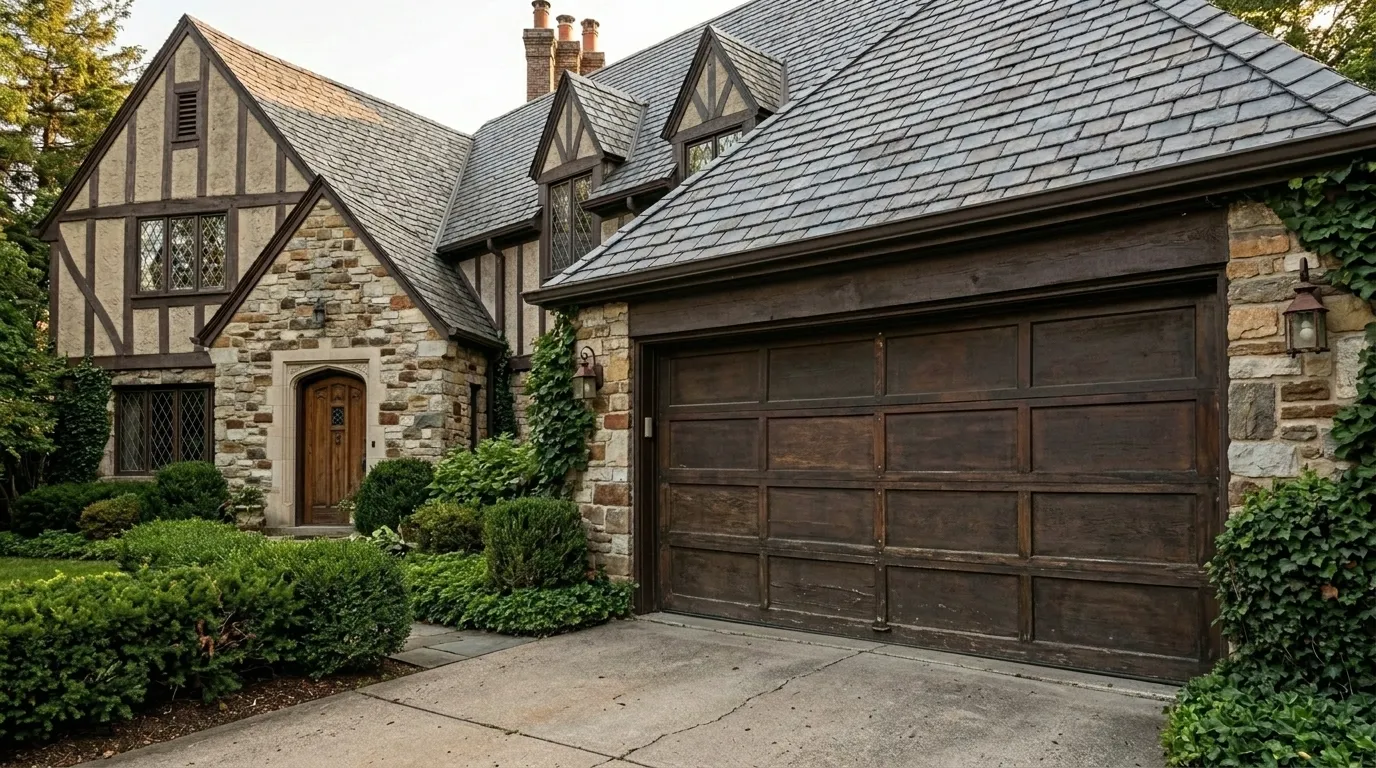
What we find
What It Costs
We're not going to quote a number here without seeing the door - torsion springs come in different wire gauges and lengths depending on door weight and height, and a single door isn't priced like a double. What we can tell you is what drives the cost up or down.
Houses in this area built around the median year of 1963 often have older torsion setups that use parts less common on newer doors, which can mean a longer job than a straightforward swap. Whether you've got one spring or two matters - most double doors run two springs, and if one broke from age and fatigue, the other one is on the same clock and usually worth replacing at the same time rather than calling us back out in six months.
With median household income in this area at $96,794, most owners we talk to choose to replace both springs at once rather than patch one and wait on the other. That's a judgment call based on the age of the hardware, not a rule we apply blind. If your spring is only a few years old and the other side looks fine, we'll say so.
How we work
What Is Going On
Mechanically, it's simple. A torsion spring stores energy by being wound tight, and it releases that energy gradually as the door goes up and down. Every cycle stresses the wire a small amount. Cold weather adds stress on top of that because contracting steel is stiffer and less forgiving right at the moment it's asked to do the same job it's always done.
A spring doesn't wear evenly. It breaks at whichever point in the coil got weakest first - a manufacturing flaw, a spot where moisture got in, or just the accumulated stress of thousands of cycles since the house was built. Housing stock in this area runs 1938 to 1994, and most of it is 1960s and 70s construction, which means a lot of springs out there are well past the cycle count they were rated for even if nobody's touched them.
If you're not alone - on a cold night, we'll often get calls from houses within a few miles of each other, whether that's here, or out toward Golf, Niles, or Kenilworth. Same age of housing stock, same weather hitting it, same result. It's not a coincidence, it's the math catching up with the hardware all at once.
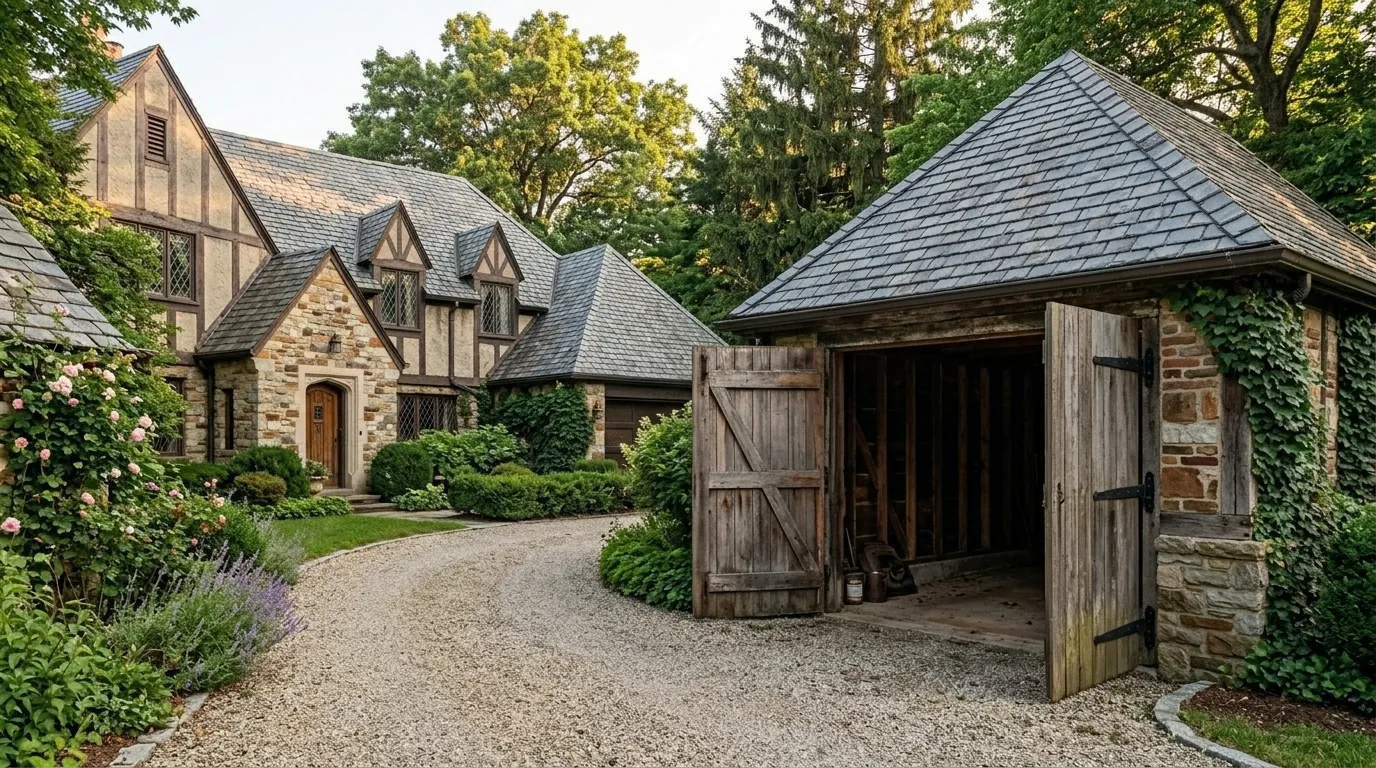
Questions
Common questions
Why do garage door springs break more in cold weather?
Cold makes steel stiffer and less forgiving, which adds stress right at the moment the spring is already worn from thousands of open-close cycles. It's rarely just the cold - it's the cold finishing off a spring that's been fatiguing for years, often since the house was built.
My house was built in the 1960s - should I worry about original springs?
If nobody's replaced them, yes, it's worth a look. Housing in this area was built mostly between 1938 and 1994, with a lot of it from the 1960s and 70s, and a torsion spring from that era has had decades of cycles on it. Age alone doesn't mean imminent failure, but it does mean the odds go up every winter.
Should I replace one spring or both?
If one spring broke from age, the other one on a double door has usually had the same number of cycles and the same exposure to cold. Most owners replace both at once to avoid a second breakdown a few months later, but if your other spring is newer or was already replaced, we'll tell you that instead of pushing a matched pair.
Can I just wait until spring to fix a broken torsion spring?
A garage door with a broken spring is under real strain every time it's opened, and running it that way can damage the opener or the track. We wouldn't recommend waiting through winter on a door you actually use.
Ready when you are
Need a garage door sorted in Skokie?
Skokie Garage Door Pros repairs and installs garage doors, springs and openers in Skokie, IL and the surrounding area.