
Skokie, IL
Garage Door Installation for Skokie's Older Housing Stock
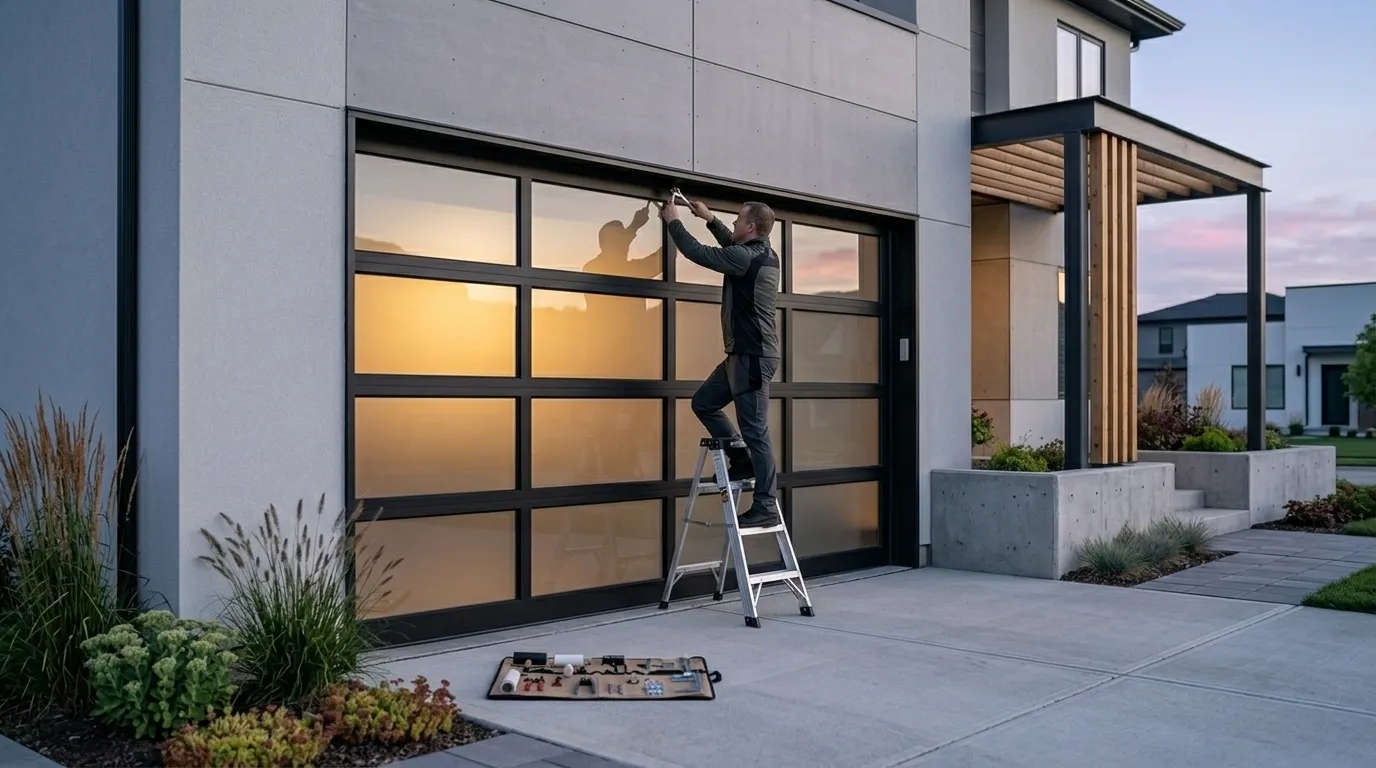
Skokie homes built between 1938 and 1994 carry original hardware that wasn't built for today's doors. We install replacements sized for this housing stock and this climate.
What we do
Garage door work in Skokie
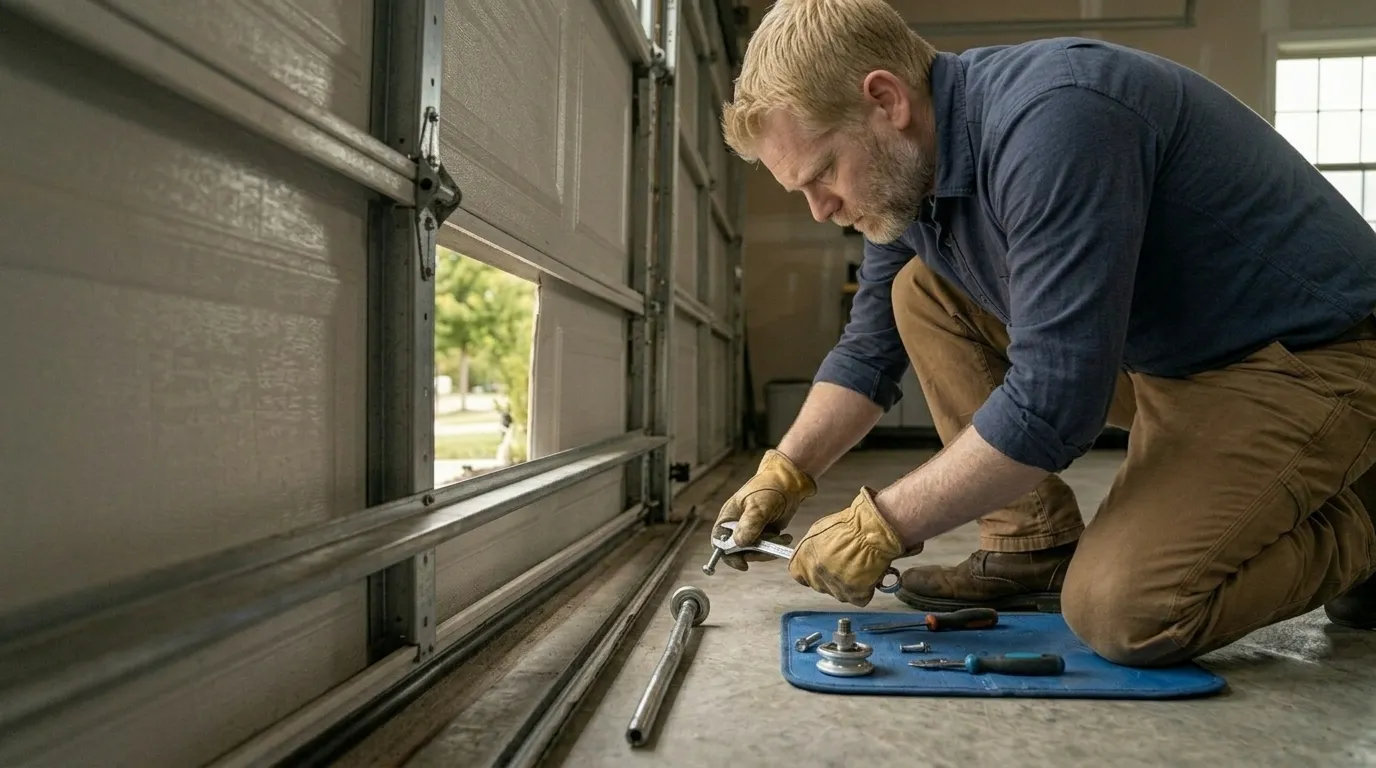
Garage Door Repair for Skokie's 1960s Housing Stock
Skokie homes built between 1938 and 1994 carry torsion hardware that wears out in cold-climate winters. Learn more →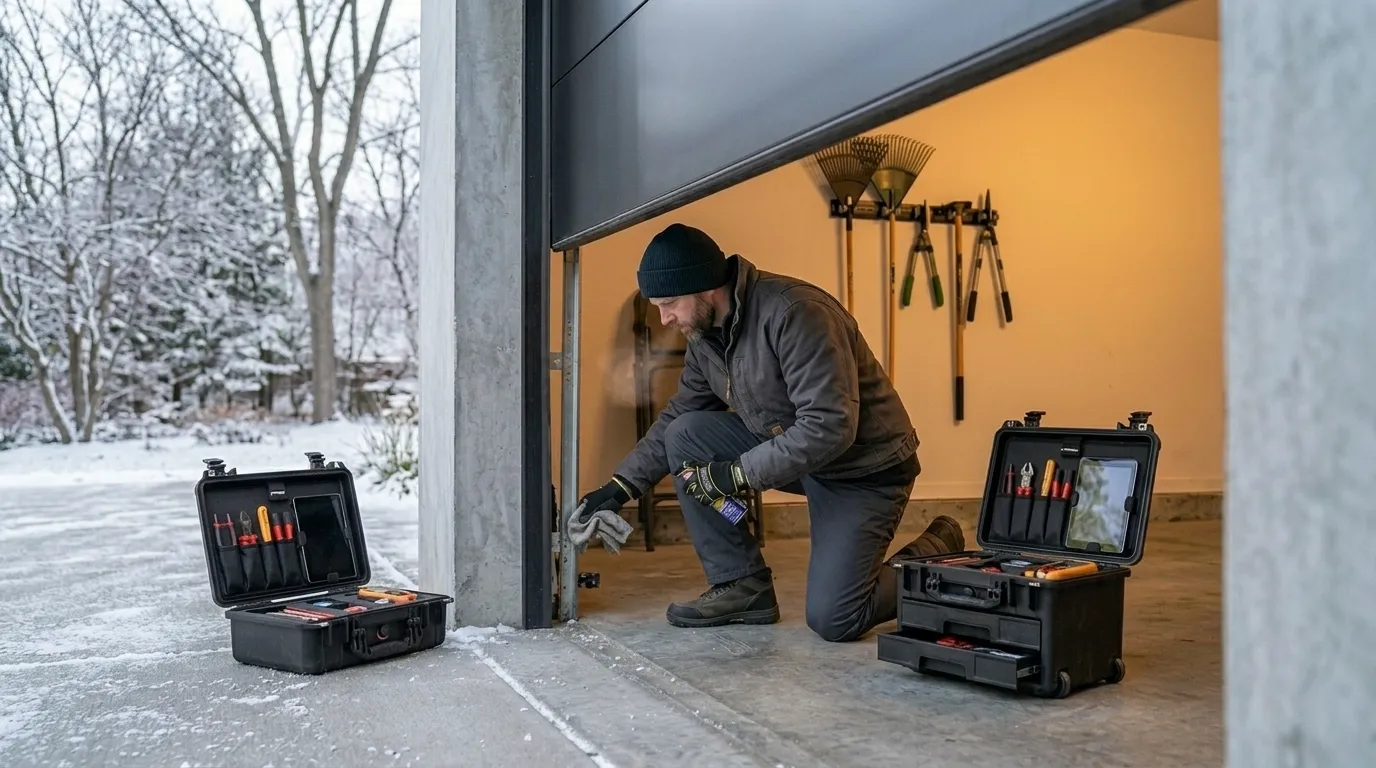
Garage Door Repair and Service for Skokie Homes
Skokie homes built mostly 1963 hide torsion springs and steel tracks worn by cold winters. Learn more →Local detail
The Symptom
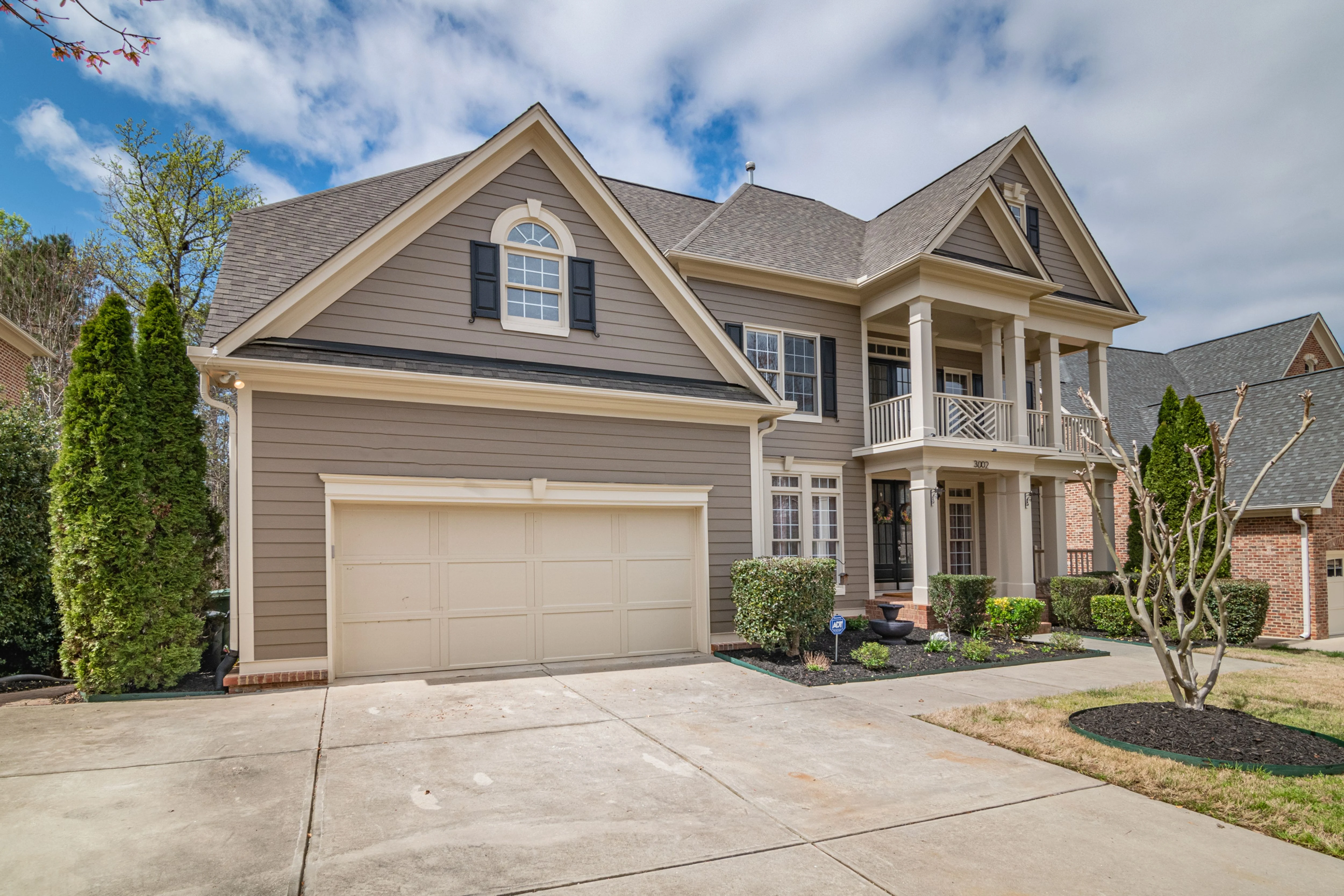
You go to close the door and it stutters halfway, or it slams the last foot instead of settling. On a lot of Skokie garages this isn't the opener - it's the door itself. Skokie's housing runs from 1938 up through 1994, with the median build year landing around 1963, and most of that stock is 1960s and 70s construction.
A door installed on a house that age is often the second or third door that opening has ever had, hung on track and hardware sized for a lighter panel than what's on it now. When a homeowner tells us the door "just feels heavy" or "never closed right since we bought the place," that's usually a mismatch between an old jamb and a door that was never fitted to it. Add a slab that's warped from decades of temperature swings and you get binding, gaps at the bottom seal, and an opener straining against resistance it shouldn't have to fight.
None of that gets fixed by a new opener bolted onto old track. It gets fixed by installing a door and hardware sized correctly for the opening as it exists today, not as it was framed sixty years ago.
The area
What It Costs
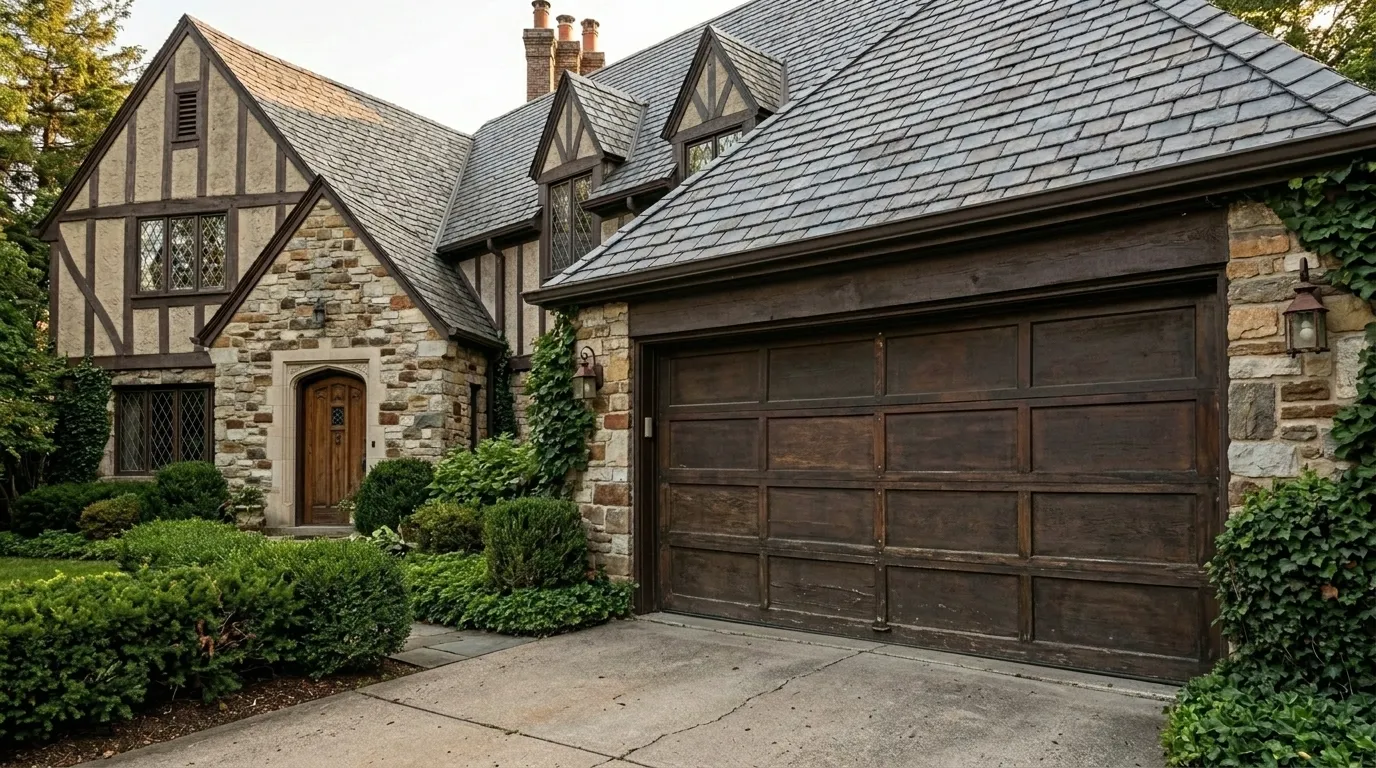
We don't post a flat number here, because the honest range depends on the opening size, whether the existing track and jamb need rework, and which door you pick. What we can tell you is what drives the cost up or down on a typical Skokie job: openings on 1960s-70s construction often need jamb shimming or hardware replacement beyond the door itself, which is labor you won't see on a newer build.
Given the median household income in this service area sits at $96,794, we see a fair number of owners choosing insulated steel doors over the base builder-grade option, which changes the quote too. The only way to get a real number is a look at your opening - we're not going to guess a price over the phone and then surprise you at the door.
What we find
Why This Fails Locally
This area sits in a cold, moderate climate band, and that matters more for installation than most people expect. A door hung loose in its track, or a bottom seal that doesn't fully compress, isn't just a nuisance in January - it's the difference between a garage that holds above freezing and one that doesn't. On houses built in the 1938-1994 range, insulation standards and framing tolerances were nowhere near what current doors assume, so a modern insulated door installed without addressing the old jamb will still leak air around the edges no matter how good the panel is.
Across the roughly 325,582 households and 152,489 owner-occupied houses in this broader service area, we see the same pattern repeat: houses from this era were built for single-layer wood or early steel doors, and retrofitting anything heavier or better-sealed means correcting track alignment and header clearance first. Skip that step and the new door fights the old opening the same way the last one did, just with a bigger price tag attached to the mistake.
How we work
Stocked Parts
We carry track, rollers, and torsion hardware sized for the openings common to this era of construction - the 7-foot and 8-foot standard heights that show up across 1960s and 70s Skokie garages, plus the hinge and cable hardware that matches original one-piece and early sectional doors. Cold-rated weatherstrip and bottom seals are stocked as standard, not special order, since a seal rated for a mild climate doesn't hold up through a full winter here.
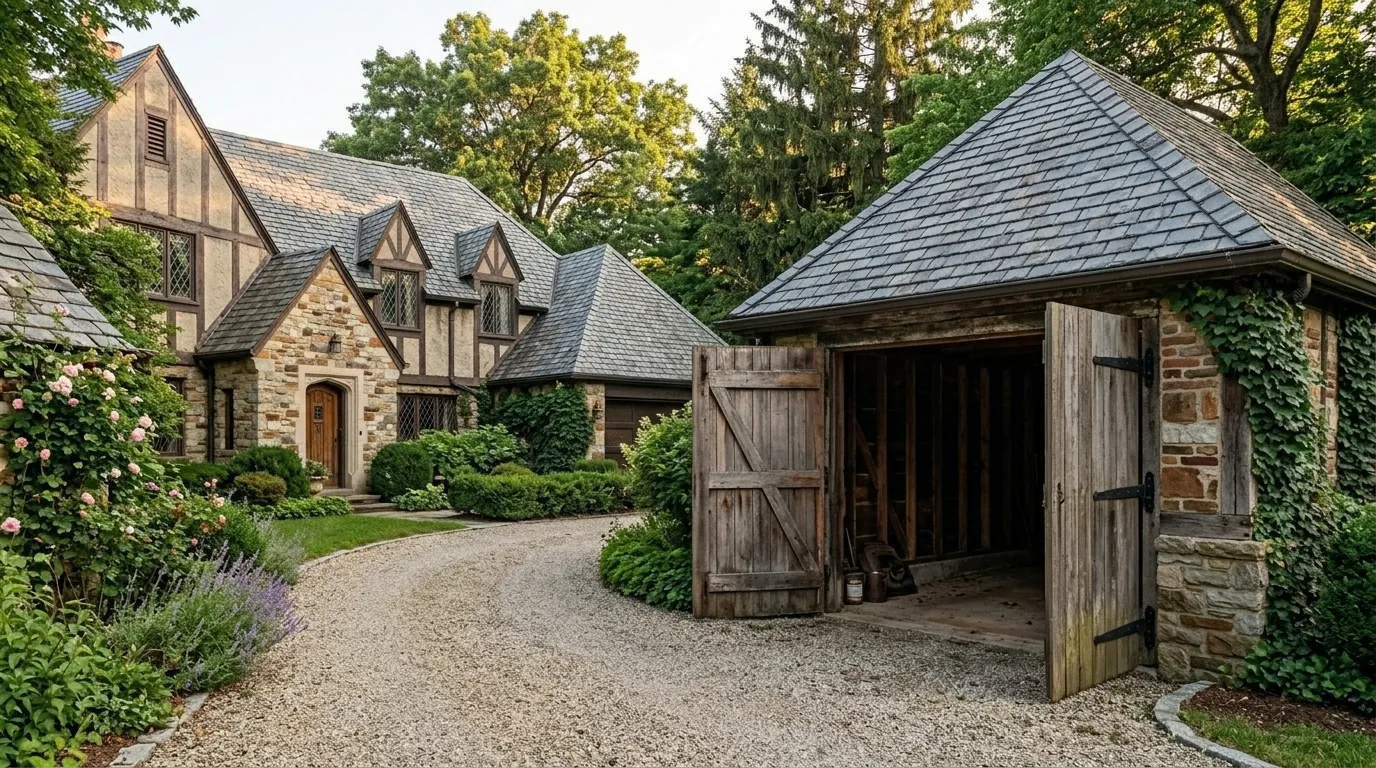
One limit worth being upfront about: custom widths outside the standard openings, or doors matching a specific historic profile, aren't something we keep on the truck - those get special-ordered and the lead time runs longer. If your opening is a standard size, we can usually get the install scheduled without a parts wait.
Questions
Common questions
Is my garage door too old to repair instead of replace?
If your house was built in the 1938-1994 range common to Skokie, a lot of original doors are still on their first or second set of hardware. Once the track is bent, the panels are delaminating, or the jamb has shifted, replacement usually costs less over time than repeated repairs. We'll tell you straight which side of that line your door is on.
Do you install doors sized for older Skokie garages?
Yes. Openings on 1960s-70s construction are usually standard 7-foot or 8-foot heights, and we stock track and hardware for those sizes. Non-standard or custom-width openings take longer since those parts aren't kept on the truck.
Why does my new door still let in cold air?
Usually it's not the door - it's the jamb underneath it. Houses built before modern framing standards often have header and side clearance that doesn't seal tight against a new door without correction first. We check jamb alignment before installing, not after.
Ready when you are
Need a garage door sorted in Skokie?
Skokie Garage Door Pros repairs and installs garage doors, springs and openers in Skokie, IL and the surrounding area.