
Guide
What Wind Does to a Wide Garage Door Around Skokie
Skokie homes built mostly between 1938 and 1994 carry wide garage doors that take a beating in cold-moderate wind swings. Here's what actually happens to them.
Local detail
What the Weather Here Does to It
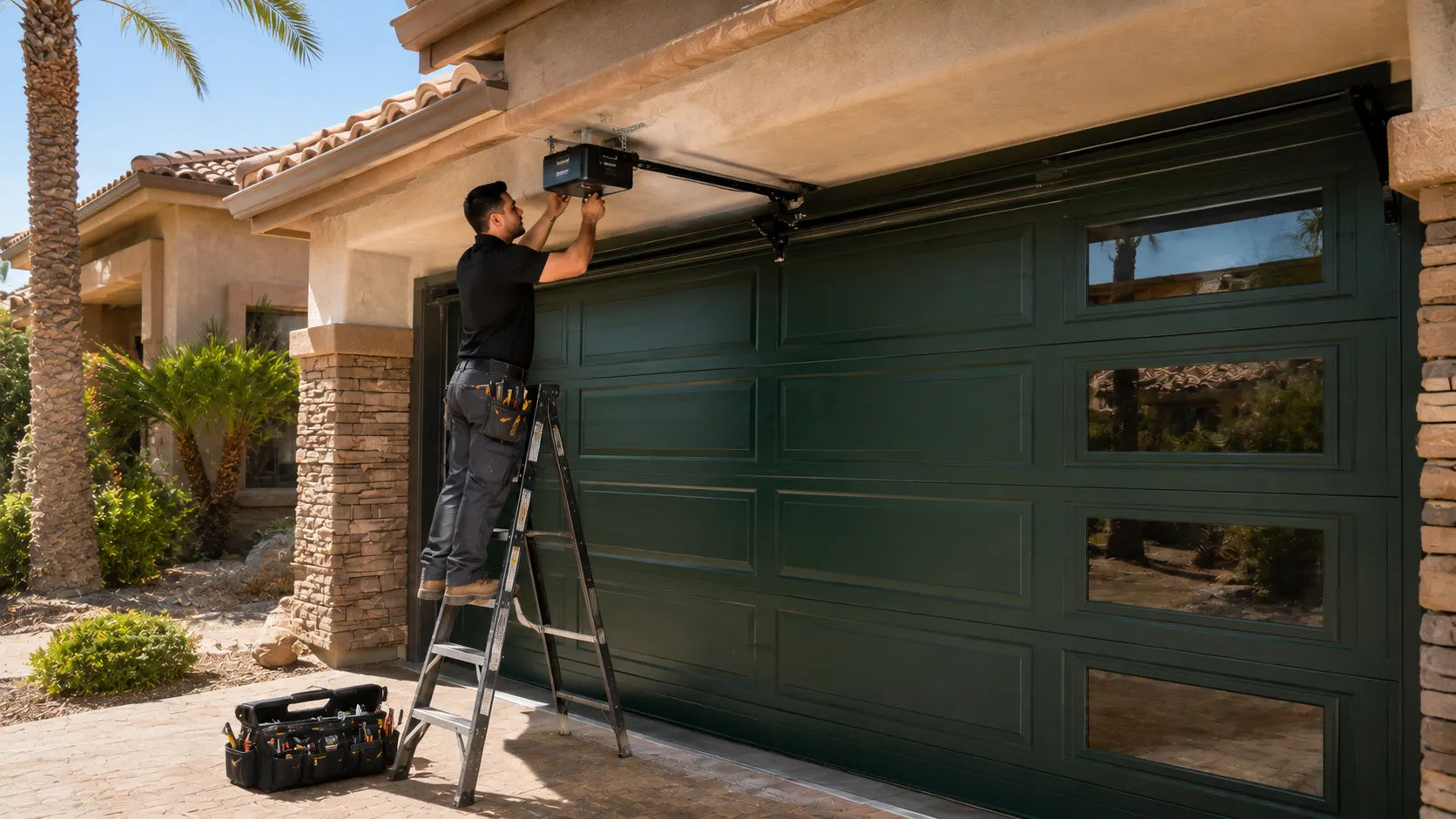
A wide door - the two-car, 16-foot kind you see on most driveways in this area - acts like a sail. Wind doesn't need to be a named storm to matter; steady gusts pushing broadside against a flat panel put load on the track rollers and the end hinges long before anything visibly bends. Skokie sits in a cold-moderate climate band, which means the door isn't fighting one extreme, it's cycling through freeze and thaw and wind pressure changes several times a season, not once a year.
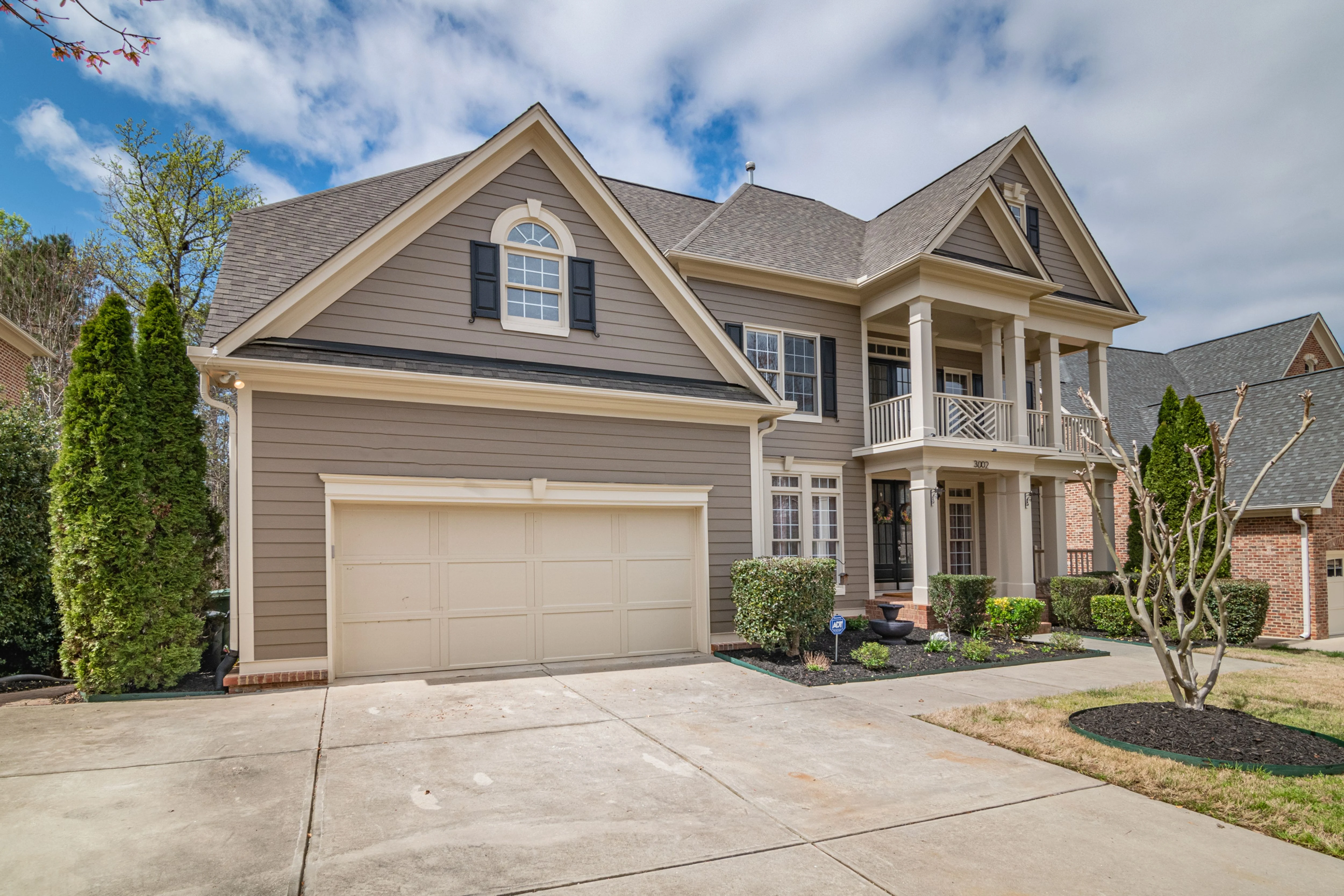
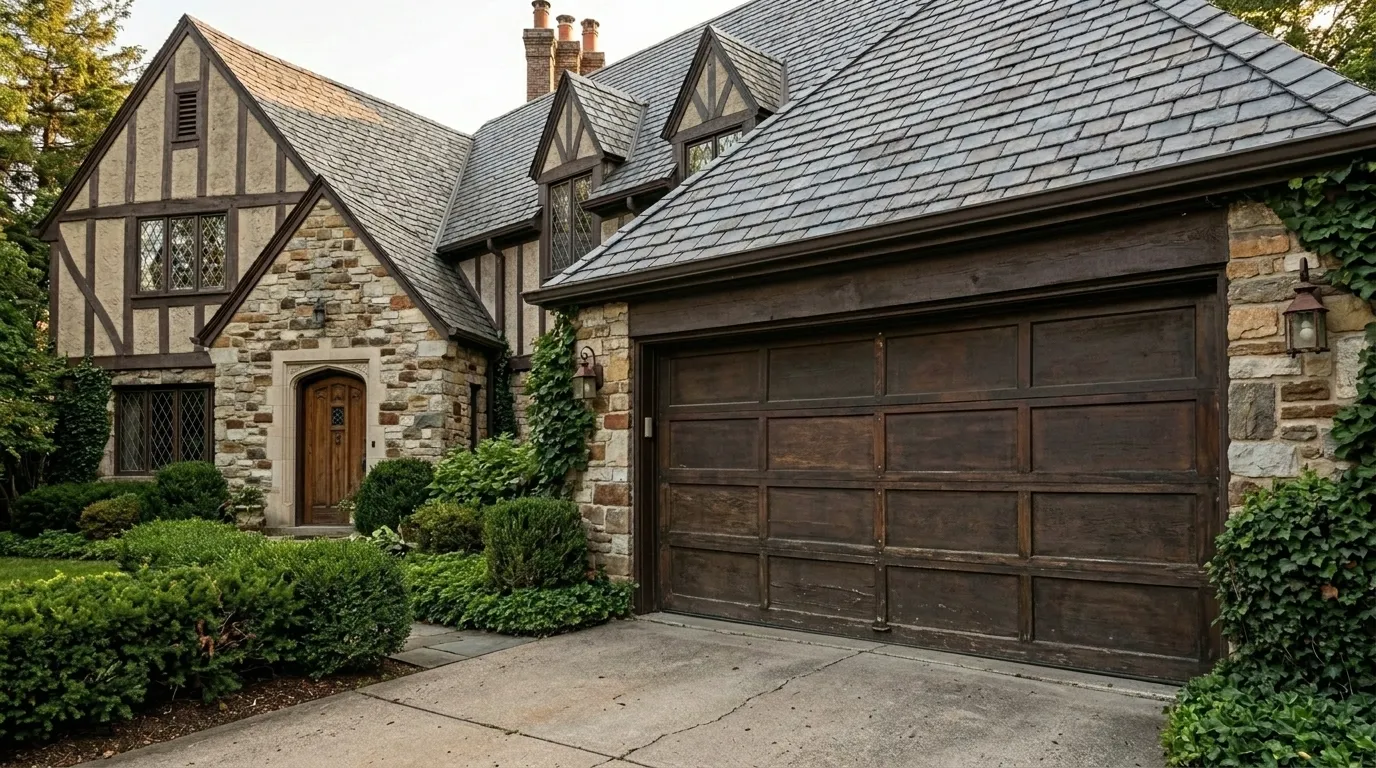
Most of the housing stock here went up between 1938 and 1994, with a median build year around 1963. That means a lot of the original wide doors, or their direct replacements, were hung on hardware sized for the codes and materials of that era - lighter gauge steel, fewer struts across the panel width, track brackets set for a door that was never expected to carry today's insulated panel weight. Add wind load to a door that's already flexing more than it should, and the failure point is usually the top panel seam or the roller track pulling away from the jamb, not the spring.
The area
Season by Season
Late fall through winter is when a wide door in this cold-moderate band earns its stress. Cold makes steel lose a little give, so a panel that would flex and recover in July can crack a seam or pop a hinge in January under the same gust. Owners in homes built closer to that 1963 median often notice it first as a door that shudders more than it used to when wind hits it side-on.
Spring brings the swing back the other way - thaw cycles loosen anything that shifted during winter, so a track bracket that walked half an inch in January is now visibly out of line. This is also when we see more calls from owners near Golf and Niles, both a few miles out, whose 1960s-70s ranch-style garages share the same construction pattern and the same weak points.
Summer is the easiest season on the door structurally, but it's when small gaps from winter movement start letting more air and noise through, which is usually the first sign an owner notices something's off even though the real damage happened months earlier.
What we find
What It Costs
We're not going to quote a number here without seeing the door - a bent panel on a 1960s-era wide door with obsolete track hardware costs differently than a straightforward roller swap, and guessing at a price before a truck is on site does an owner no favors. What we can say is that the area's median household income of $96,794 puts most owners in a position to choose full panel or door replacement over a patch job, when the wind damage is bad enough that patching won't hold through another winter.
Across the service area, 152,489 of the 325,582 households are owner-occupied houses - the group most likely to be carrying an original or first-generation replacement door from that same 1938-1994 build window. If your door dates to that stretch, the honest math often favors replacing the whole panel set rather than chasing wind damage piece by piece, since matching an old panel style gets harder every year parts age out of production.
How we work
What Is Going On
Put the pieces together and the pattern is straightforward. Houses built mostly in the 1960s and 70s carry doors and track hardware sized for that era. Wind load on a wide door stresses the weakest point in that hardware first - usually a seam, a roller, or a bracket, not the spring. A cold-moderate climate means that stress cycles through freeze and thaw instead of sitting at one extreme, so damage tends to show up gradually rather than all at once.
This holds fairly consistently across the wider service area - from homes near Kenilworth and Winnetka a few miles out to those further toward Rosemont and Schiller Park - because the housing era is shared even where the neighborhoods aren't. What varies is how far along the wear already is on a given door, which is really the only thing a phone estimate can't tell you. A door that shudders in wind but still tracks straight is a different job than one where the panel's already bowed.
Questions
Common questions
Why does my garage door shake so much when it's windy?
On a wide door built to older 1960s-70s standards, wind pressure flexes the panel more than a modern reinforced door would. If the shaking is new or getting worse, it usually means a roller, hinge, or track bracket has started to give, not that the door is simply reacting normally to weather.
Is wind damage covered under a normal repair, or is it different from a broken spring?
It's different. Wind stress usually shows up as a bent panel, a pulled track bracket, or a stripped hinge rather than a snapped spring. The fix depends on which part gave first, which is why we look at the door in person before naming a repair.
My house was built in the 1960s - does that matter for wind damage?
Yes. Doors and track hardware from that build era were sized for lighter loads than current insulated panels carry, so they flex more under wind pressure. If your home falls in that build window, it's worth having the hardware checked even if the door still looks fine.
Ready when you are
Need a garage door sorted in Skokie?
Skokie Garage Door Pros repairs and installs garage doors, springs and openers in Skokie, IL and the surrounding area.