
River Grove, Skokie IL
Garage Door Service for River Grove, IL
Serving River Grove's 1961-median housing stock 9 miles from Skokie: torsion spring, opener, and panel repair suited to this area's older doors and hardware.
Local detail
The Split Between Old and New
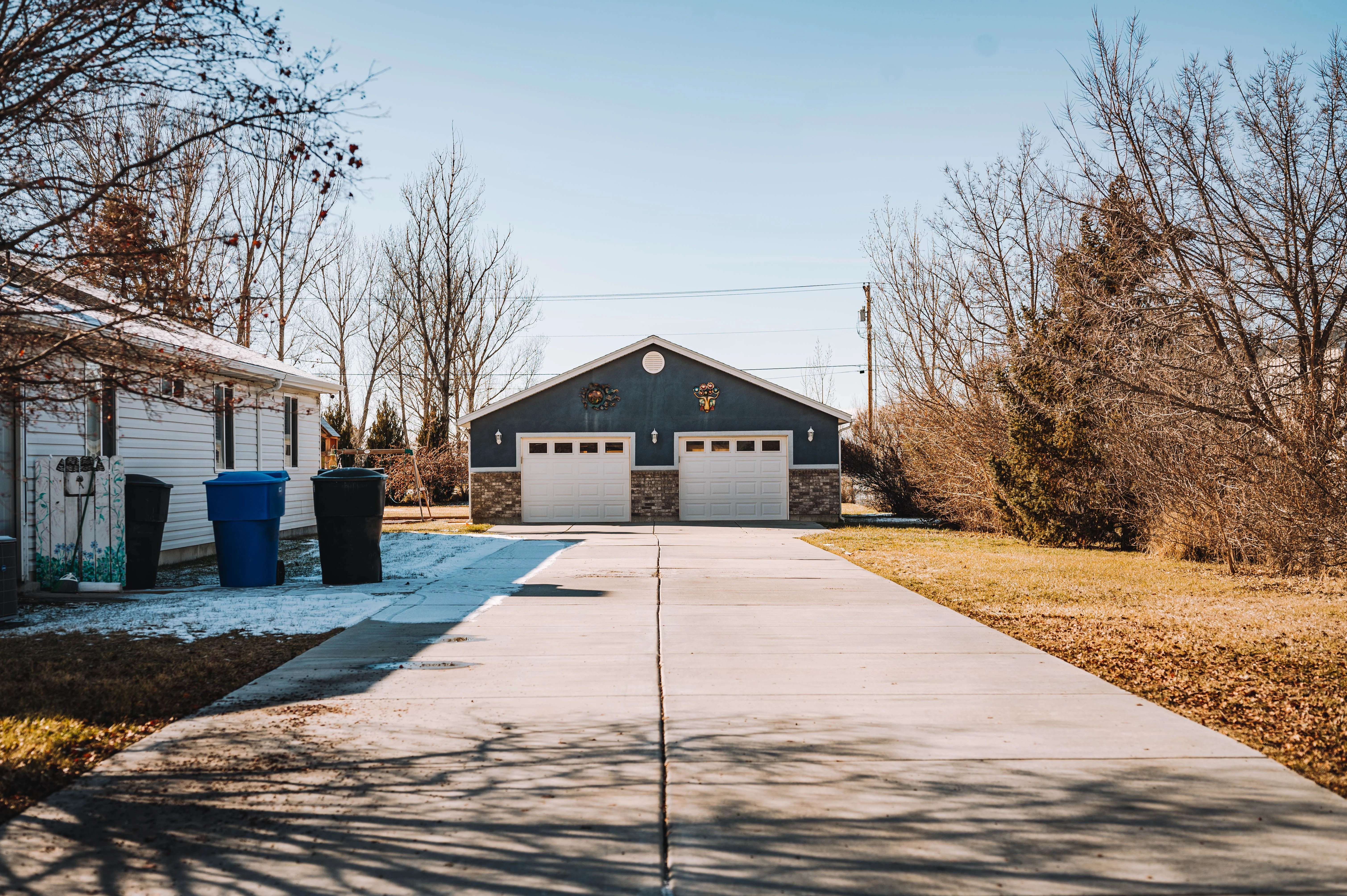
River Grove sits about 9 miles from our Skokie base, and the difference shows up the moment we pull into a driveway here. The median home in this area was built in 1961, which is a couple years earlier than the broader service territory's 1963 median. That gap sounds small, but it means a larger share of River Grove's garage doors are original or close to it: steel sectional doors from the early 1960s, often paired with extension springs mounted along the horizontal track rather than the torsion setups that became standard in newer construction.
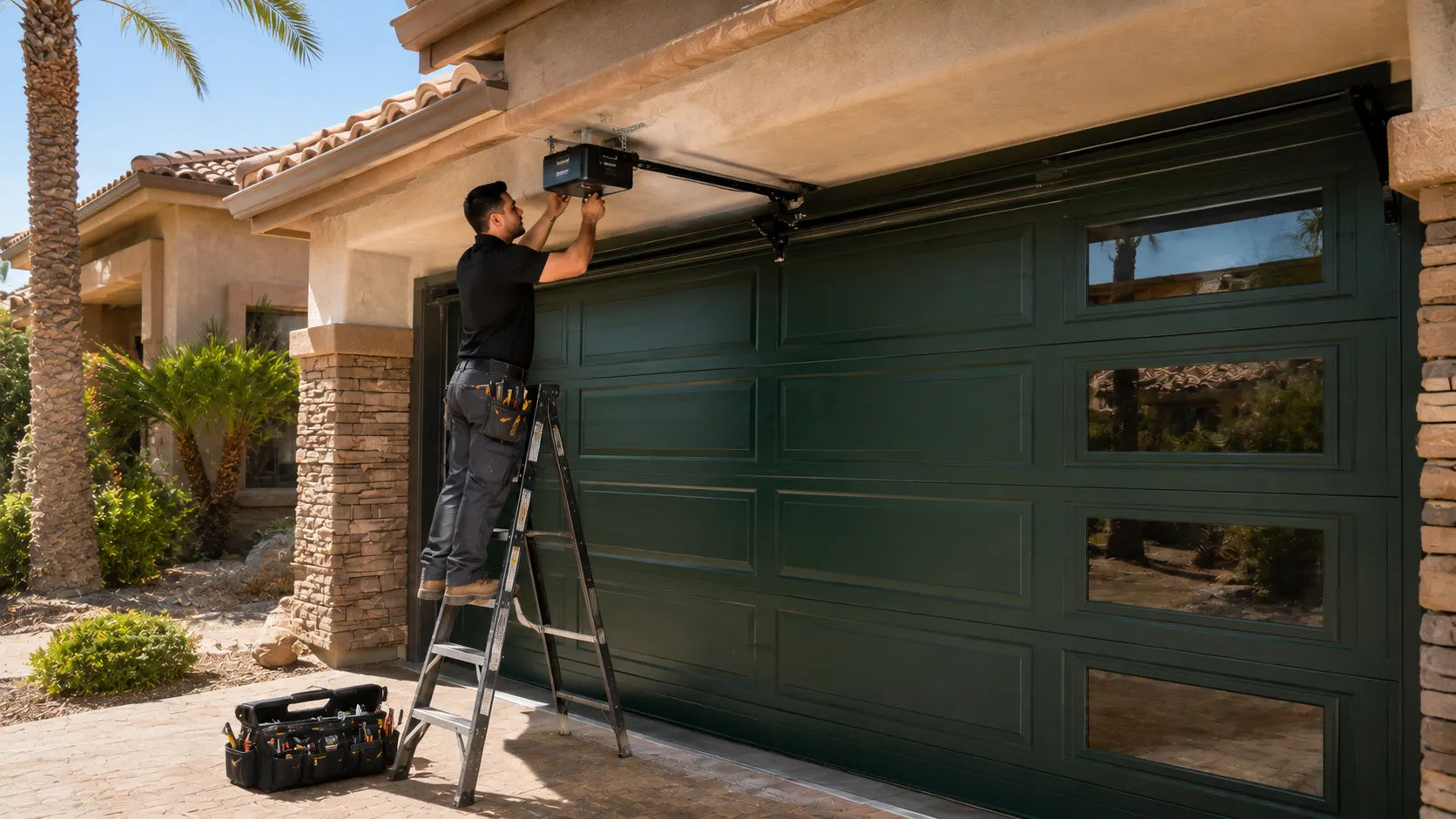
When we get a call from River Grove, we come expecting older hardware, not assuming it. That expectation changes what's on the truck and what we check first - the track alignment, the condition of the extension spring cable pulleys, and whether the opener (if there is one) was retrofitted onto a door frame that predates automatic openers altogether. A door built for manual operation and later motorized doesn't always carry the load the way a door engineered for an opener from day one does.
The area
What the Housing Means for Your Door
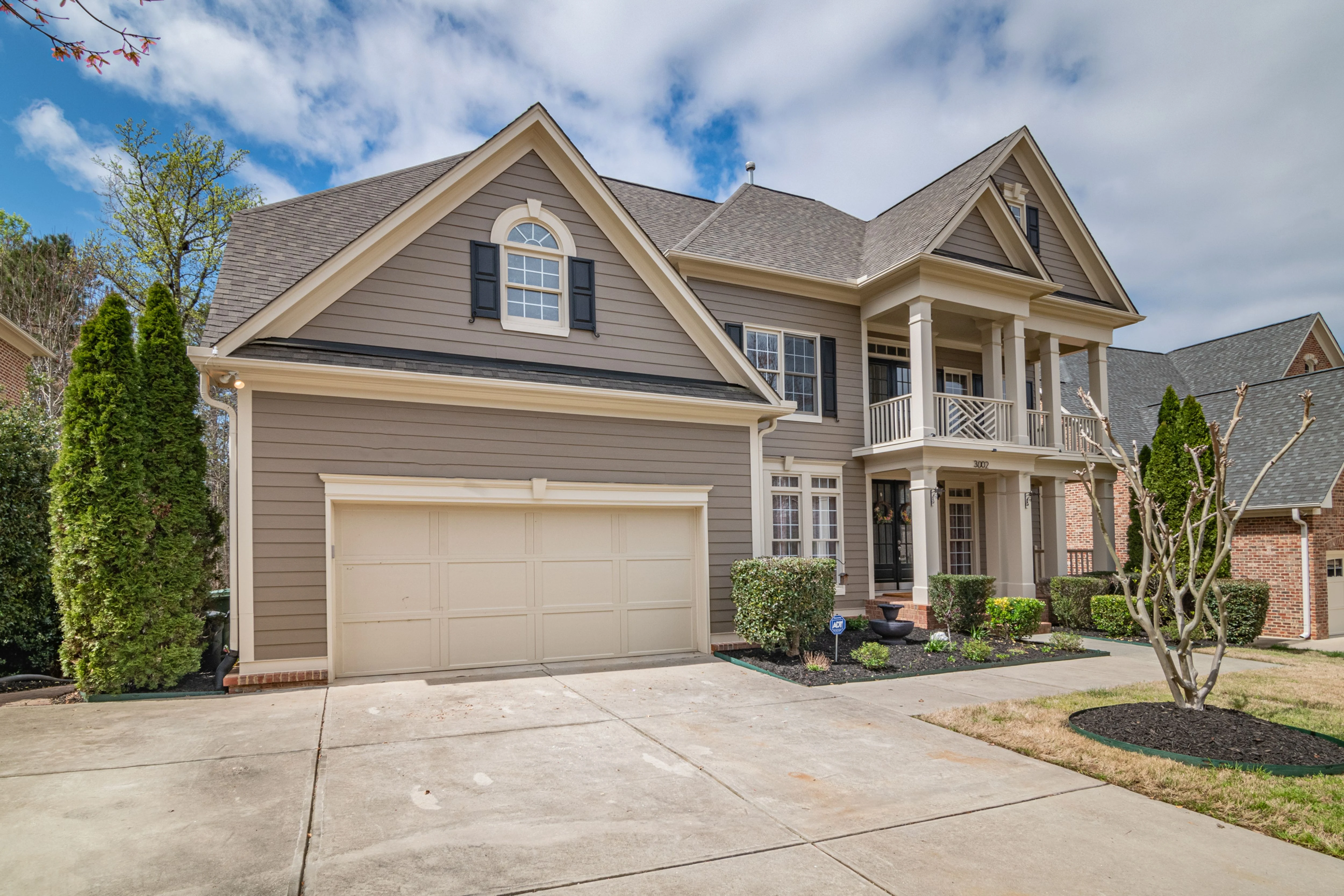
With roughly 4,106 households in River Grove and a housing stock centered on the early 1960s, the doors we see here tend to share a few traits. Steel panels from that era are thinner gauge than what's sold today, so dents and rust-through show up sooner, especially on the bottom panel where road salt and snowmelt collect during the cold winters this region gets. Original wood jambs have often shifted slightly over sixty years, which throws off track alignment even on a door that otherwise looks fine.
And a fair number of these doors still run on extension springs rather than torsion springs - a difference that matters because the parts, the tensioning method, and the failure mode are all different from what's common in houses built after the mid-1970s. Median household income in River Grove runs $74,793, noticeably below the wider area's $96,794, and that's worth naming plainly: a repair that keeps an older door running another decade is often the right call here, not an automatic push toward full replacement.
What we find
What We Will Not Take On
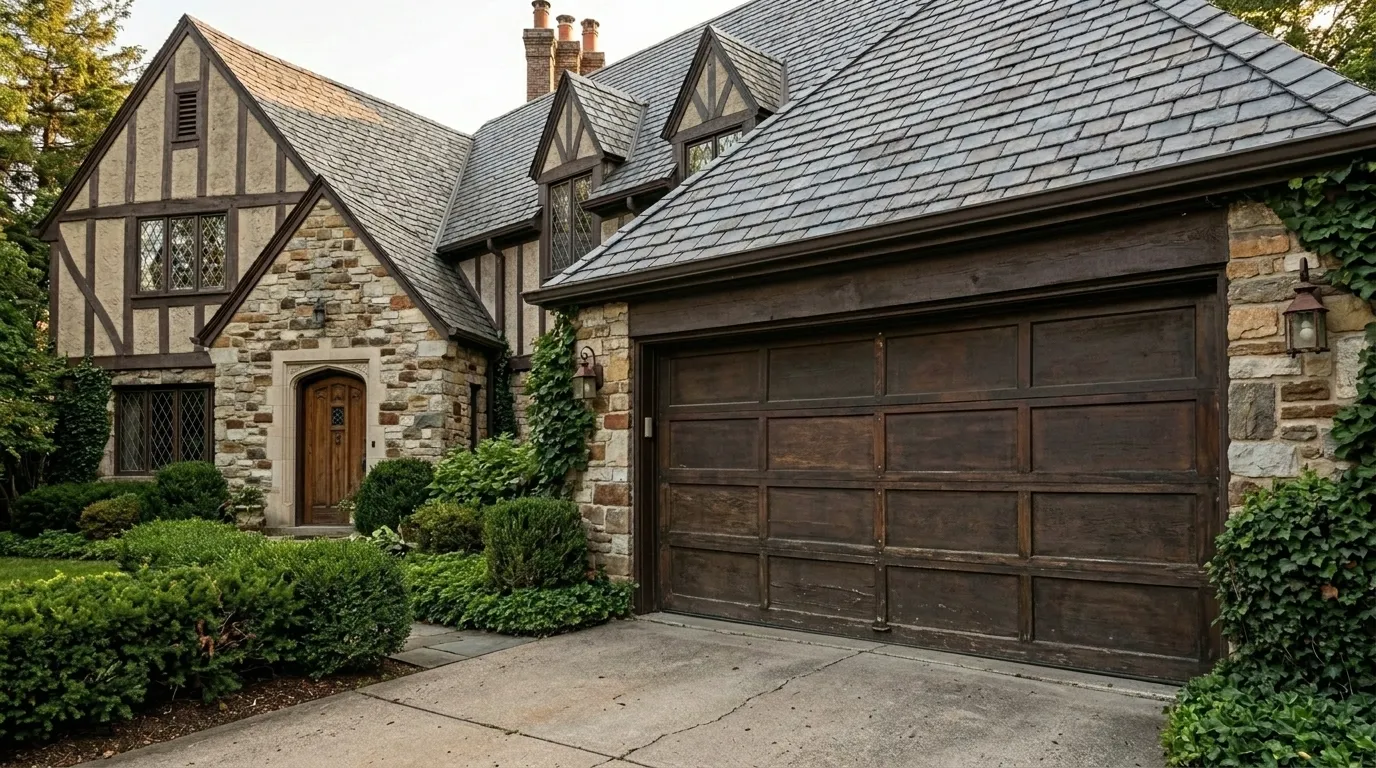
We don't stock every obsolete part. Some of River Grove's original 1960s hardware - specific extension spring lengths, older drum styles, discontinued track brackets - isn't something any supplier keeps on the shelf anymore, and if a part has to be special-ordered, that adds real days to the timeline. We'll tell you that up front rather than promise a same-visit fix we can't deliver.
We also won't recommend replacing a door that's structurally sound just because it's old; if the panels are straight and the track is salvageable, we say so. What we won't do is drive out for a job we can diagnose over the phone as something outside garage doors entirely - a sagging header or a settling foundation is a different trade's problem, and we'll say that too instead of running up a service call.
How we work
This Area's Housing
Across the wider service territory, housing runs mostly 1960s-70s stock spread over 64 named communities, with a median build year of 1963. River Grove's own median of 1961 puts it right at the older edge of that range. That two-year difference is small on paper but it lines up with what we actually find on these jobs: more original hardware, more doors that have never been upgraded to torsion springs, and more openers that were added on after the fact rather than installed with the door.
The area sits in a cold-moderate climate band, which over sixty winters means expansion and contraction on steel tracks and panel seams that newer, better-sealed doors handle differently. None of this means every door in River Grove needs work - plenty of homeowners have already swapped in a modern torsion system - but when a call comes in from this area, the housing age is the first thing we factor into what we expect to find.
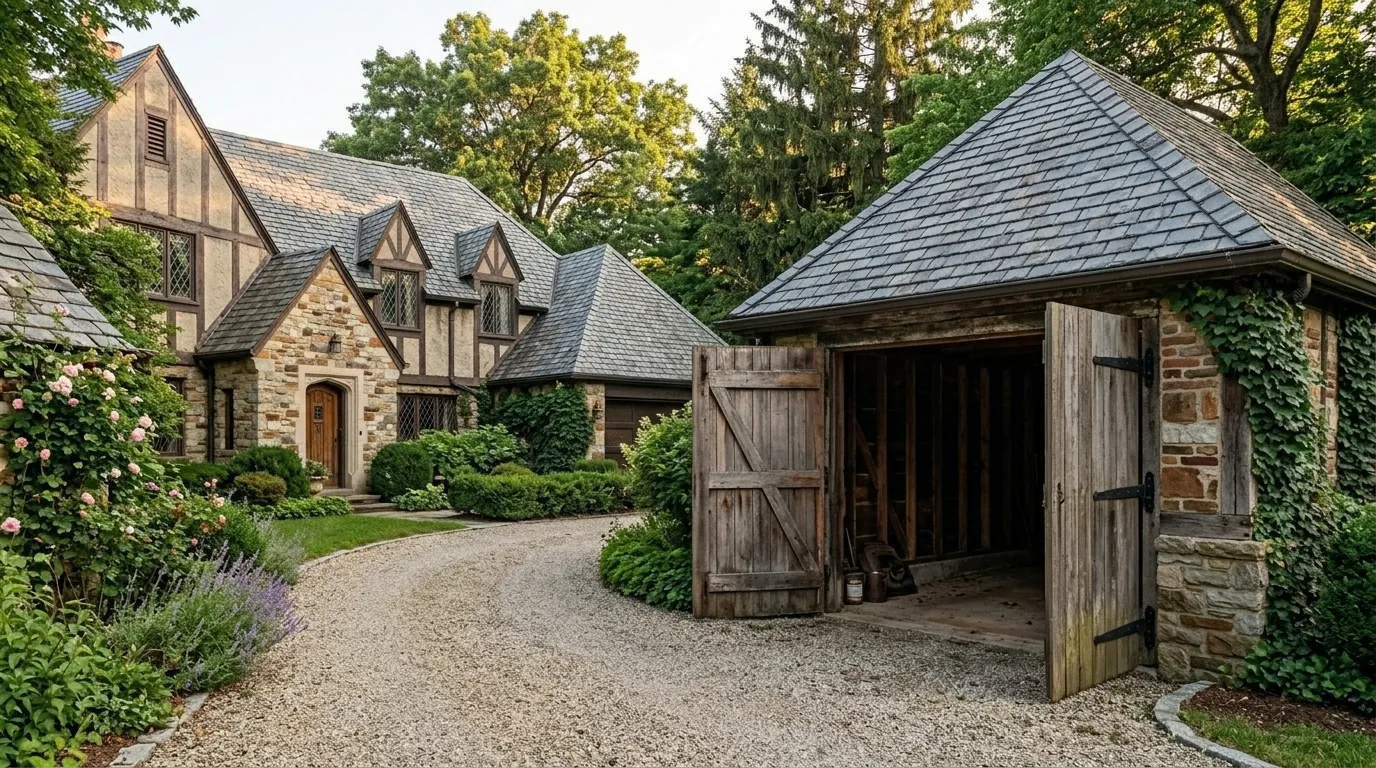
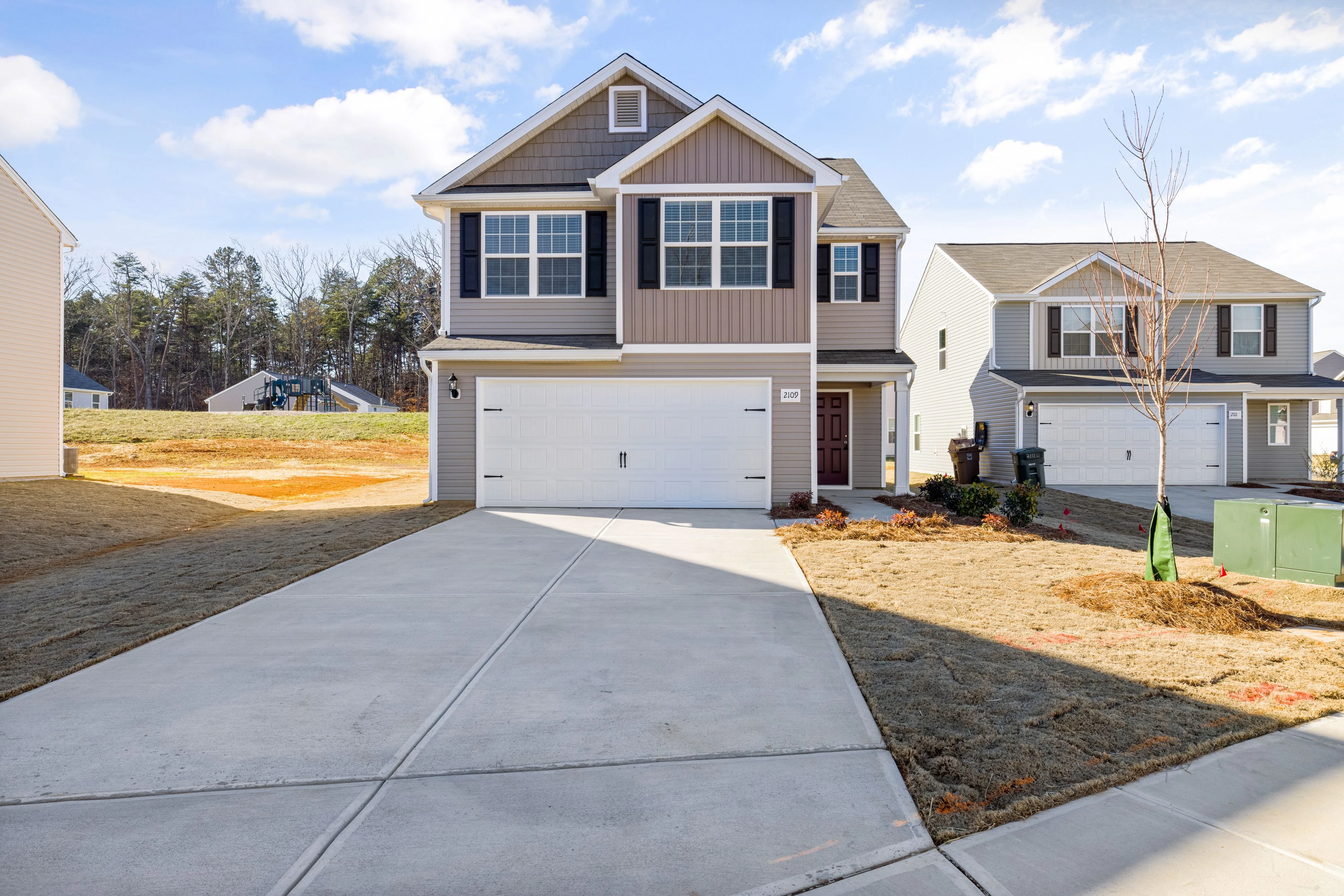 64 areas covered
Service areas
Other areas we cover near River Grove
Questions
Common questions
Do you have a shop in River Grove?
No. We're based in Skokie and travel to River Grove, about 9 miles away, for service calls. We don't keep a local depot here, so we schedule the trip as part of the visit rather than promising a fixed response window.
Why does my garage door still use an extension spring instead of torsion?
Extension springs were common on doors installed around 1961, which is River Grove's median build year. If your house hasn't had the door or hardware replaced since, that original spring system may still be in place. It's not wrong, just older technology than what's typical in newer builds.
Is it worth repairing an original 1960s-era door instead of replacing it?
Often yes, if the panels and track are still straight. Given the income range in this area, a repair that extends the life of a structurally sound door is frequently the more practical choice than a full replacement, and we'll tell you honestly when a door has crossed the line into not worth fixing.
Can you get parts for an older extension-spring door?
Sometimes, but not always fast. Some original hardware from the early 1960s is no longer stocked and has to be special-ordered, which adds days to the job. We'll flag that possibility during diagnosis rather than after we've already started.
Ready when you are
Need a garage door sorted in Skokie?
Skokie Garage Door Pros repairs and installs garage doors, springs and openers in Skokie, IL and the surrounding area.