
Skokie, IL
Garage Door Repair for Skokie's 1960s Housing Stock
Skokie homes built between 1938 and 1994 carry torsion hardware that wears out in cold-climate winters. Local repair for springs, openers, and tracks sized to this housing stock.
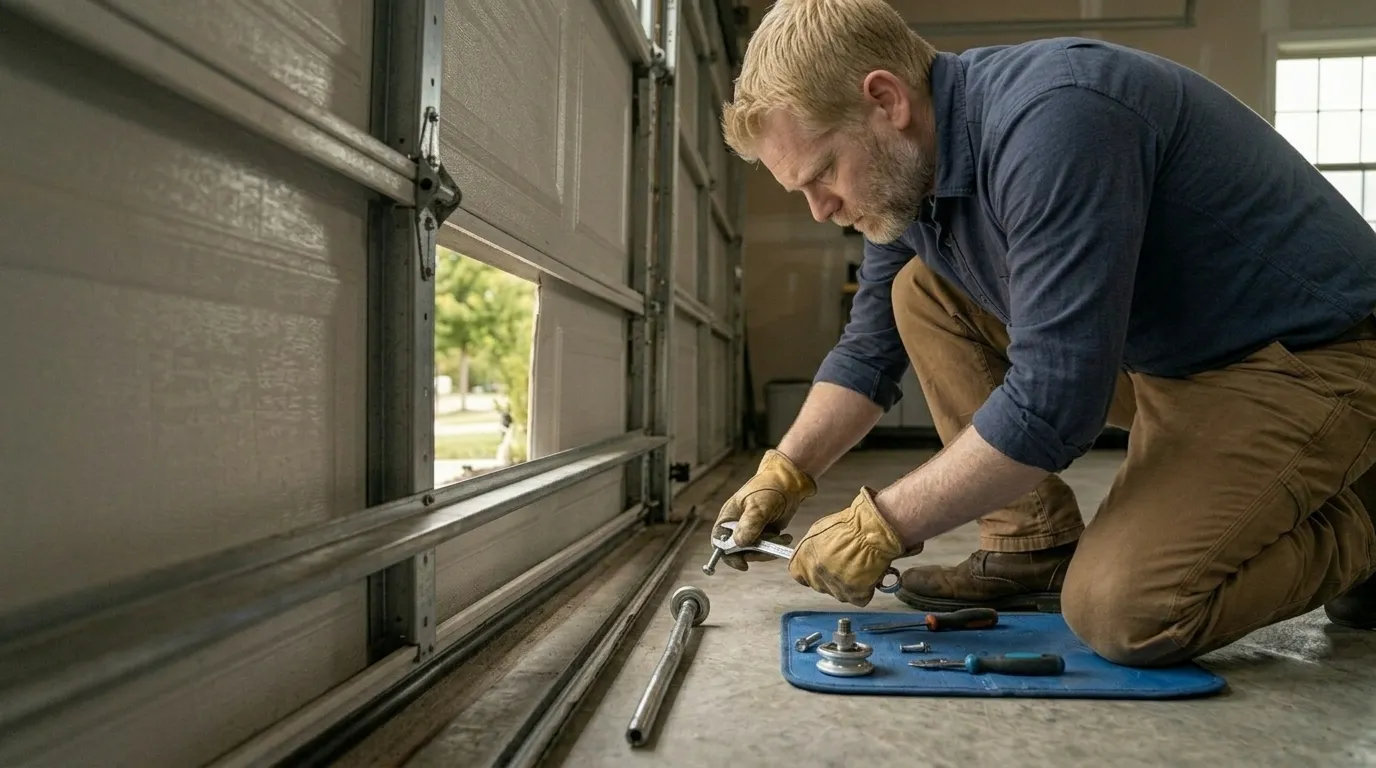
What we do
Garage door work in Skokie
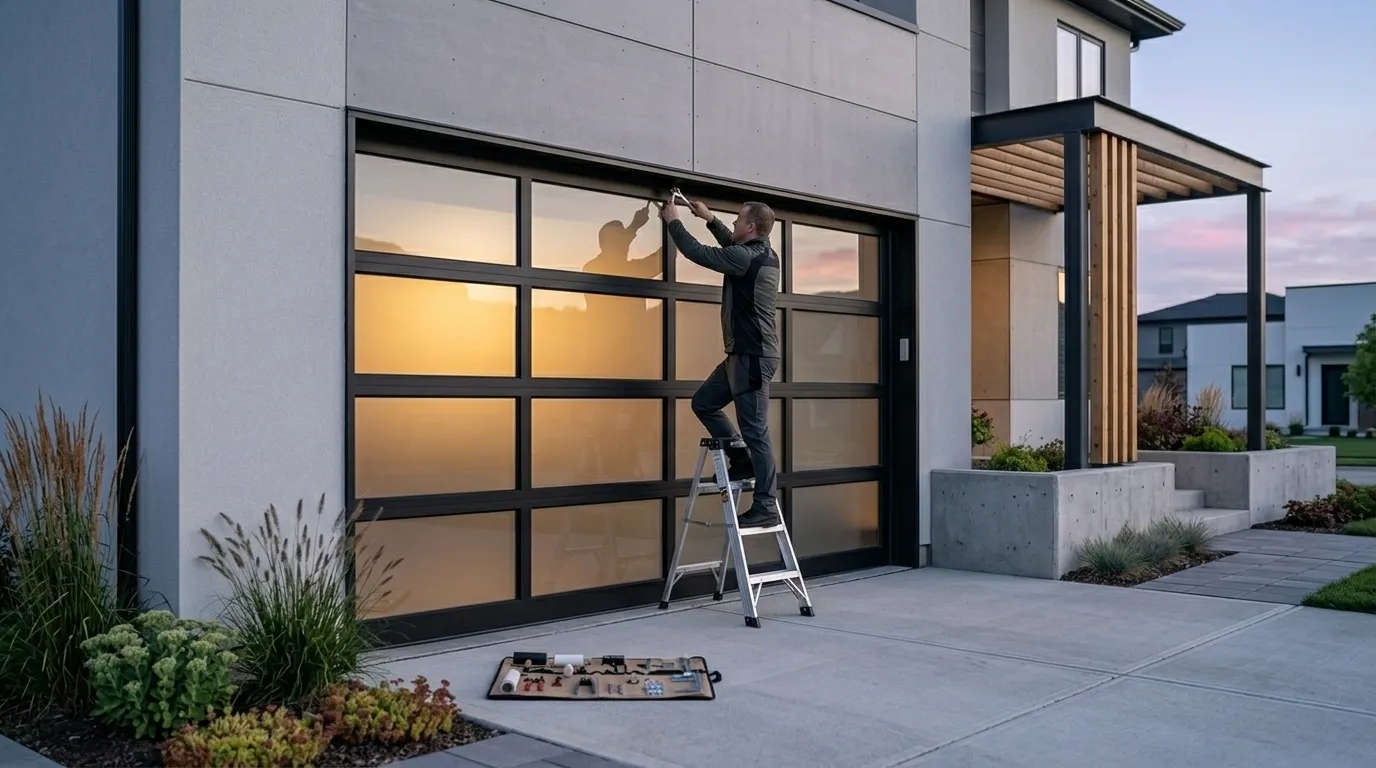
Garage Door Installation for Skokie's Older Housing Stock
Skokie homes built between 1938 and 1994 carry original hardware that wasn't built for today's doors. Learn more →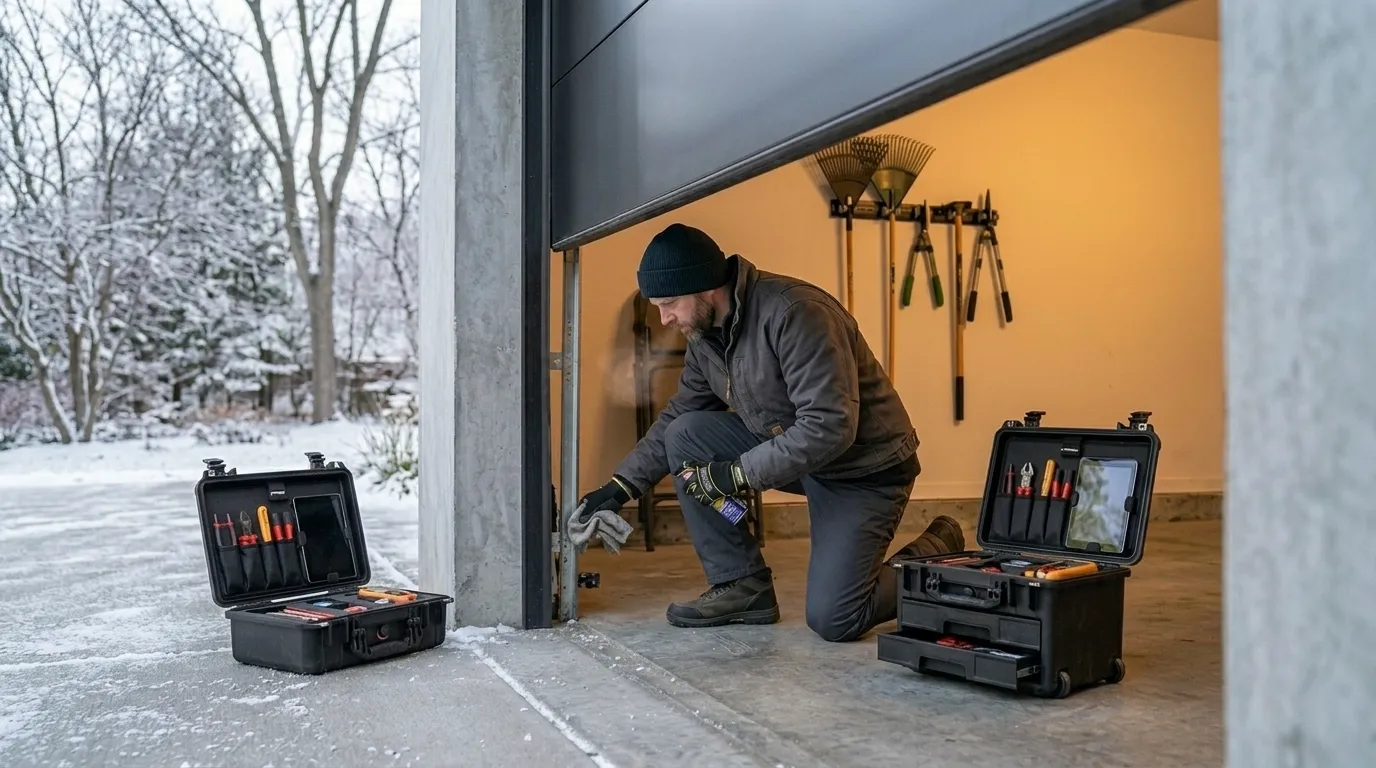
Garage Door Repair and Service for Skokie Homes
Skokie homes built mostly 1963 hide torsion springs and steel tracks worn by cold winters. Learn more →Local detail
The Symptom
The call usually starts the same way: the door won't budge, or it opens six inches and stops, or there's a bang from the garage overnight and by morning the door sits crooked in the frame. Sometimes it's the opener straining and clicking without lifting anything. Sometimes it's a cable that's jumped its drum.
What ties these together in Skokie is age. Housing in this pocket of the North Shore went up mostly between 1938 and 1994, with a median build year of 1963, which means a large share of doors and their hardware are original or close to it. A torsion spring rated for a mid-century door doesn't fail gracefully after sixty winters - it goes all at once, usually on the coldest morning of the stretch.
If your door dropped suddenly with a loud pop, that's almost always a broken torsion spring, not the opener. If it's just slow and noisy, rollers and hinges are the more likely culprits, and those are a cheaper fix than a spring job. Either way, don't try to force a stuck door up by hand with the opener still engaged - that's how cables snap next.
The area
What It Costs
We're not going to put a number on this page that isn't tied to your actual door, because it wouldn't be honest. Cost depends on spring size, whether it's a single or double door, whether the drums and cables need replacing along with the spring, and whether the opener itself is original 1960s-70s equipment or a later swap. What we can tell you is what drives the cost up: a door that's been forced open on a broken spring often bends the track or strips the opener gears, turning a spring job into a bigger repair.
A door that's just noisy and slow is a much smaller call than one that's stopped moving entirely. If you want a real number, the honest way to get one is to have someone look at the door in person - phone quotes on garage doors are guesses, and we'd rather not guess at your expense.
What we find
Why This Fails Locally
This isn't a generic wear-and-tear story - it's a housing-stock story. Across the 64 named areas this service covers, the building stock runs 1938 to 1994 with most of it landing in the 1960s and 70s, which means a huge share of doors still ride on the torsion spring sizing and drum hardware that was standard then, not the lighter, better-balanced springs used on newer doors. Layer on a cold-climate winter pattern - steel contracts, grease stiffens, and a spring already near the end of its cycle count picks the first hard freeze to let go.
Golf sits three miles out, Niles four, Kenilworth four, Winnetka five - all inside a radius built on the same postwar timeline, which is why this failure mode shows up on the same kind of call across that whole stretch, not just here. With 152,489 owner-occupied houses across the service area sharing that build era, a snapped torsion spring on a double door is the single most repeated call we run, more than opener trouble or track damage combined.
How we work
Stocked Parts
Doors from the 1960s and 70s boom mostly ran side-mounted torsion springs on steel drums, single-panel or narrow multi-panel steel doors, and openers that have usually been swapped out at least once since the house was built. That combination shows up over and over across this same stretch of housing, so the parts that matter most are torsion springs sized to older door weights, replacement drums and cables that match that hardware, and rollers built for steel track rather than the aluminum track newer builds use.
A household here earning the median $96,794 is often better served replacing an aging door outright once a second or third repair comes up on the same unit, rather than chasing parts for hardware that's a decade past its rated cycle count. We'll tell you straight when that point has been reached instead of running up a repair bill on a door that's better off replaced.
Questions
Common questions
Why did my garage door spring break in the cold?
Steel torsion springs lose tension and get brittle as temperatures drop, and a spring that's already near the end of its cycle life often lets go on the first hard freeze of the season. Since most of the housing here dates to the 1960s and 70s, a lot of those springs are original or close to it, which is why this call spikes every winter.
Is it worth repairing an old opener instead of replacing it?
It depends on what's actually wrong. If the motor still runs strong and it's a gear or sensor issue, repair usually makes sense. If the opener is original to a 1960s-70s build and straining on every cycle, you're often paying to patch equipment that's near the end of its life anyway - we'll tell you which situation you're in.
Why did my door slam down instead of closing slowly?
That's almost always a broken torsion spring, not a safety sensor issue. The spring is what controls the door's descent - without it, the door drops under its own weight. Don't stand under it and don't try to force it back up manually before the spring is replaced.
Do you give quotes over the phone?
Not real ones. Spring size, door weight, cable condition, and opener age all change the cost, and guessing at those over the phone isn't fair to you. We'll give you a straight number after someone looks at the actual door.
Ready when you are
Need a garage door sorted in Skokie?
Skokie Garage Door Pros repairs and installs garage doors, springs and openers in Skokie, IL and the surrounding area.