
Single-Part Failure
A targeted repair can make sense when one spring, cable, roller, sensor, or other component has failed and the surrounding system remains serviceable.
Local garage door service · Skokie, IL
Garage door repair and installation for Skokie homes spanning 1938 through 1994, covering cable repair, commercial garage doors, emergency service, roller replacement, spring repair, and the mixed-generation hardware common across the area's 1960s- and 70s-heavy housing stock.
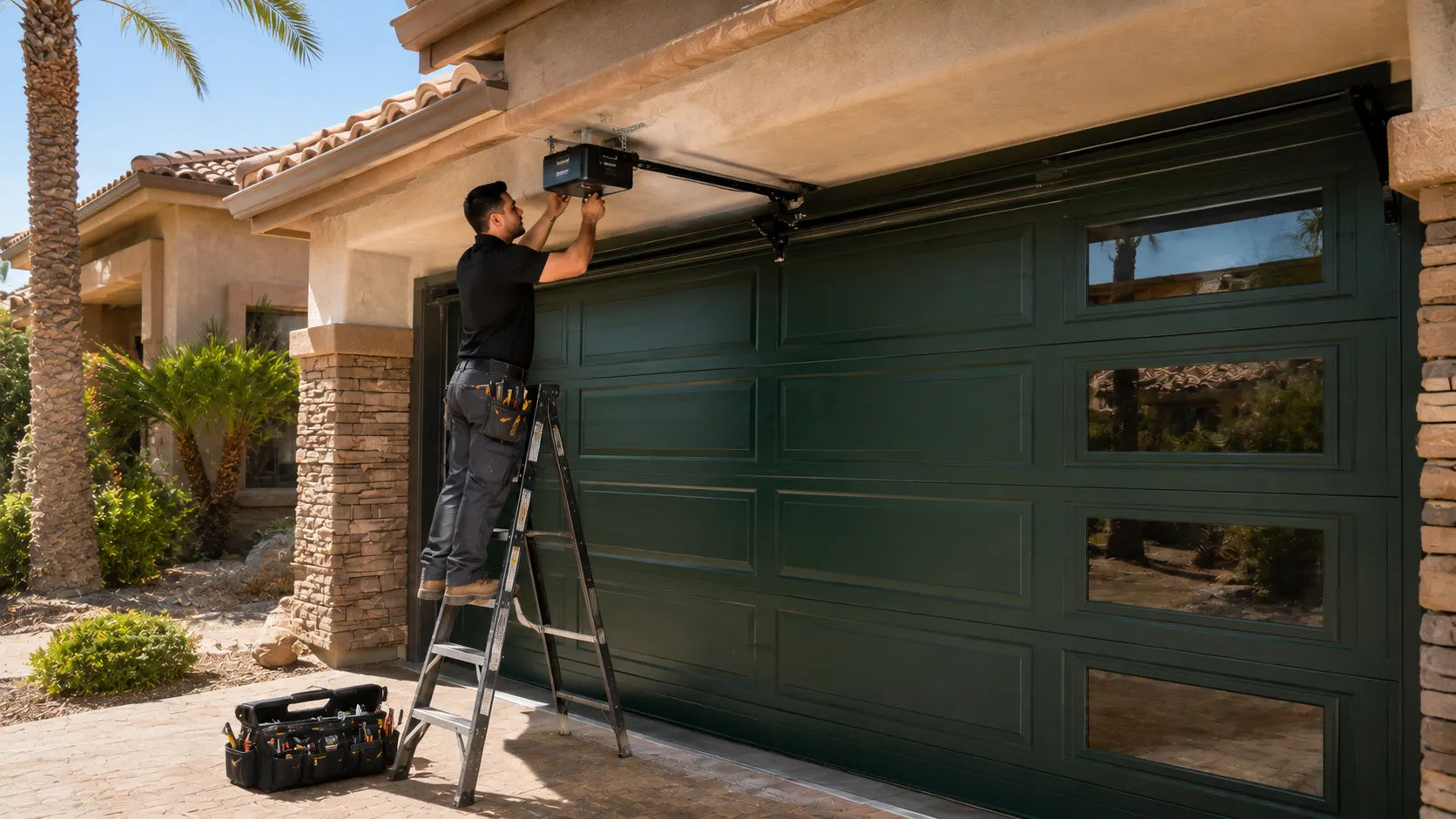
Garage door services
From cable repair and commercial garage doors to emergency service, installation, roller replacement, spring repair, and general garage door work, the lineup is built around the older and mixed-generation systems common across Skokie's housing stock.
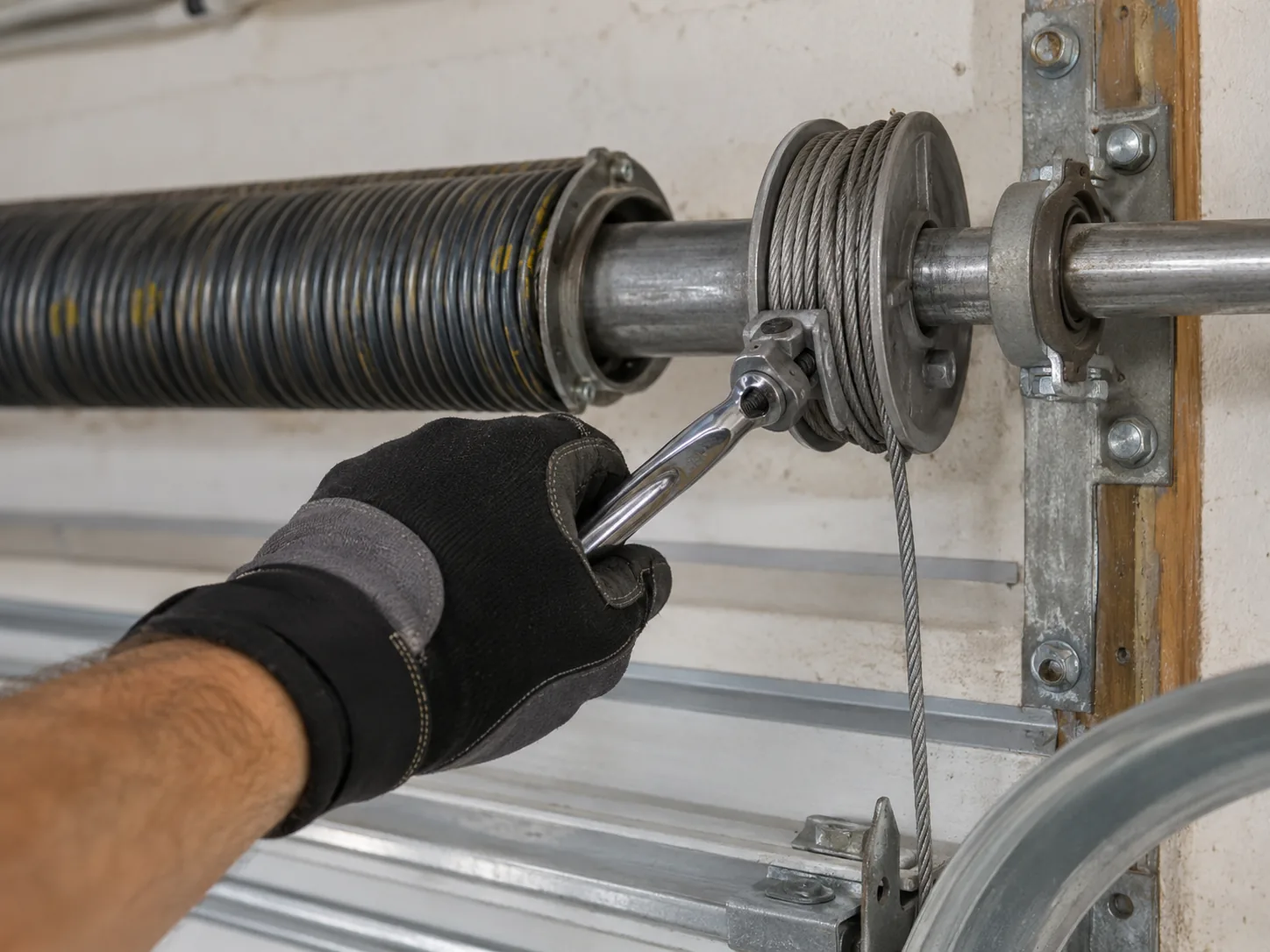
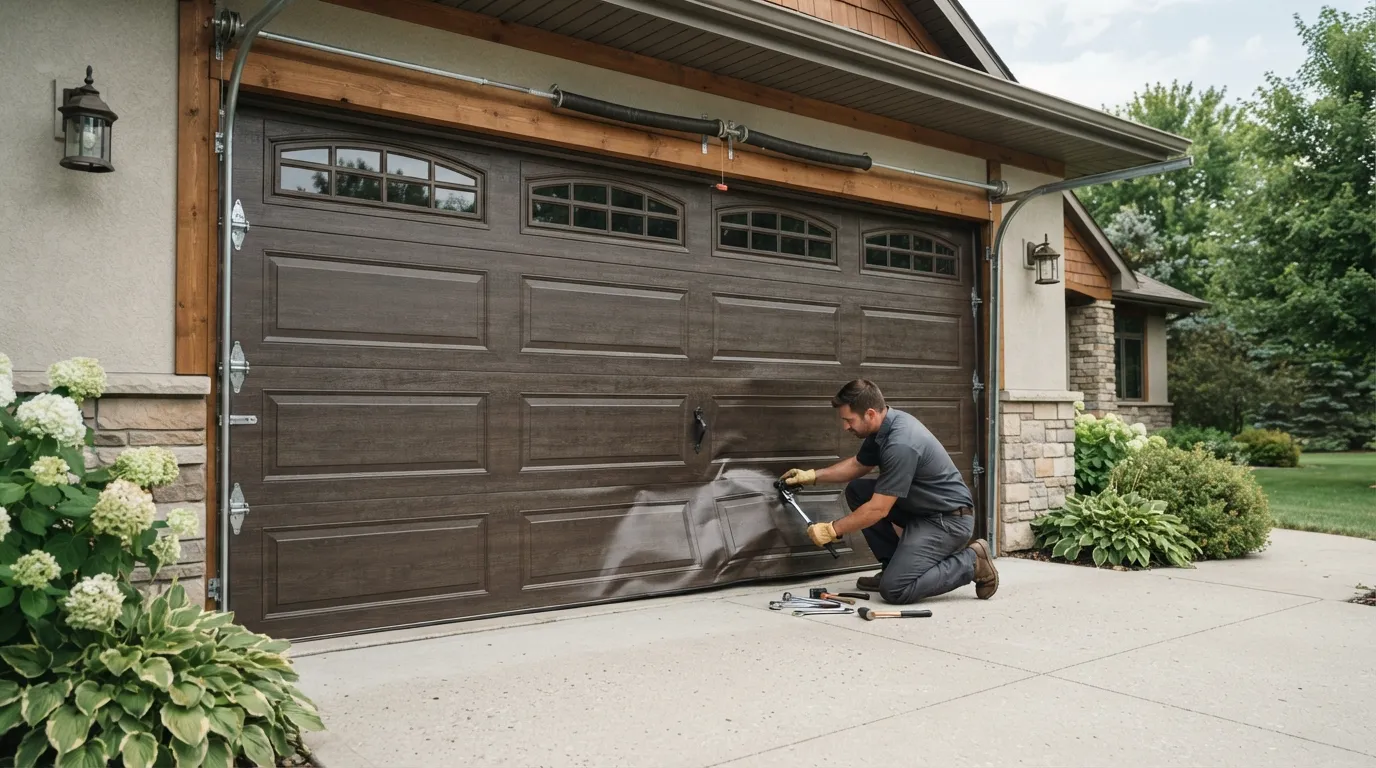
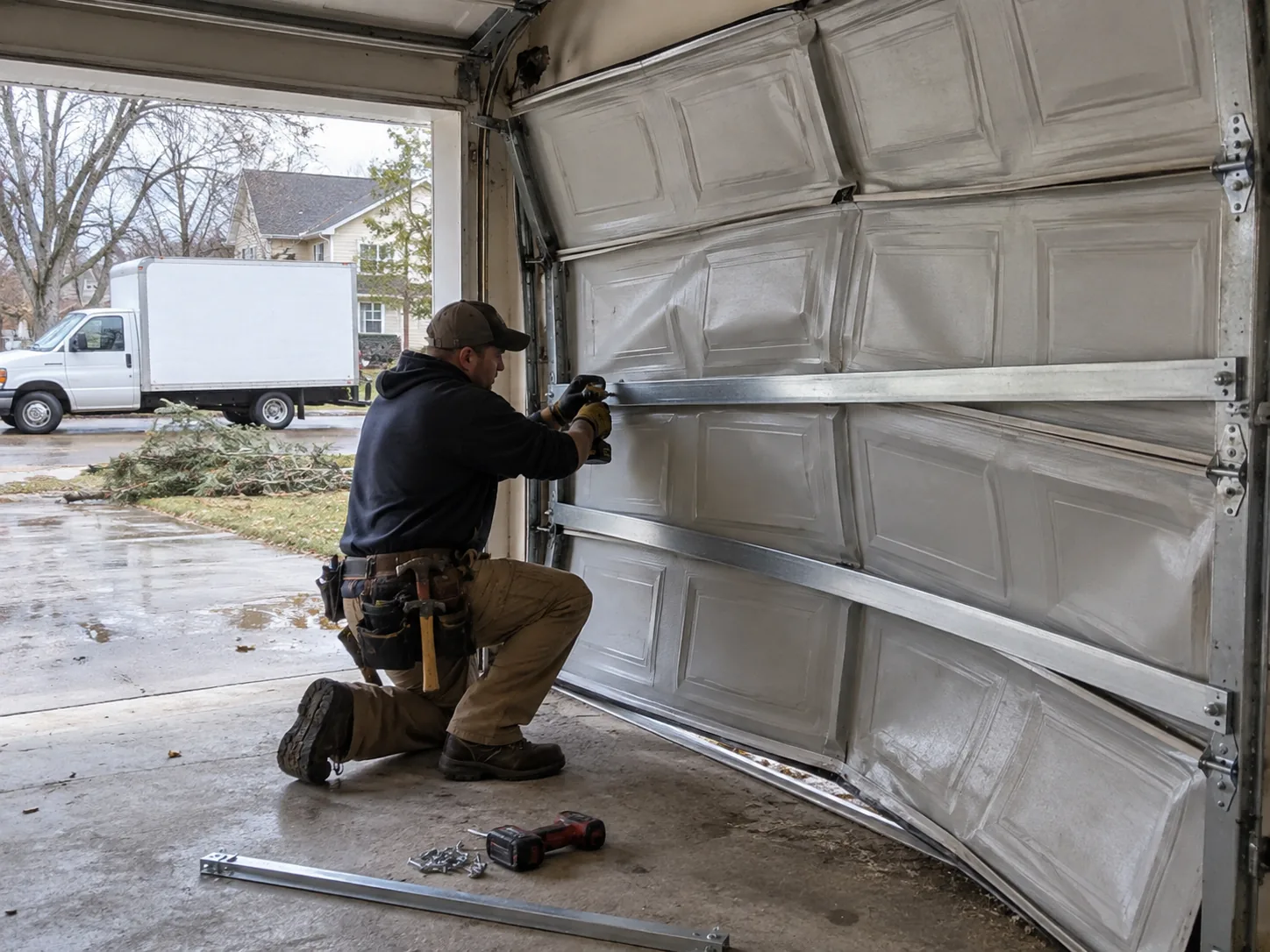
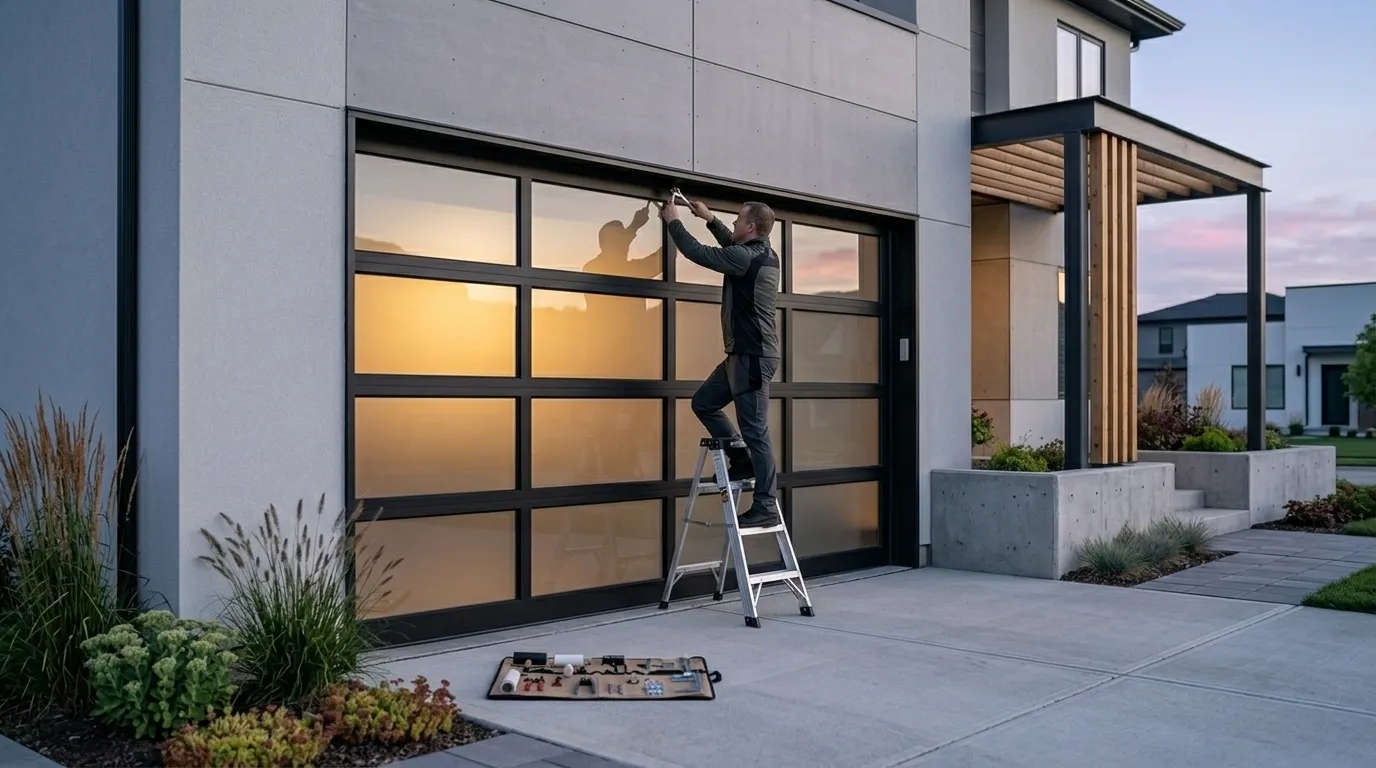
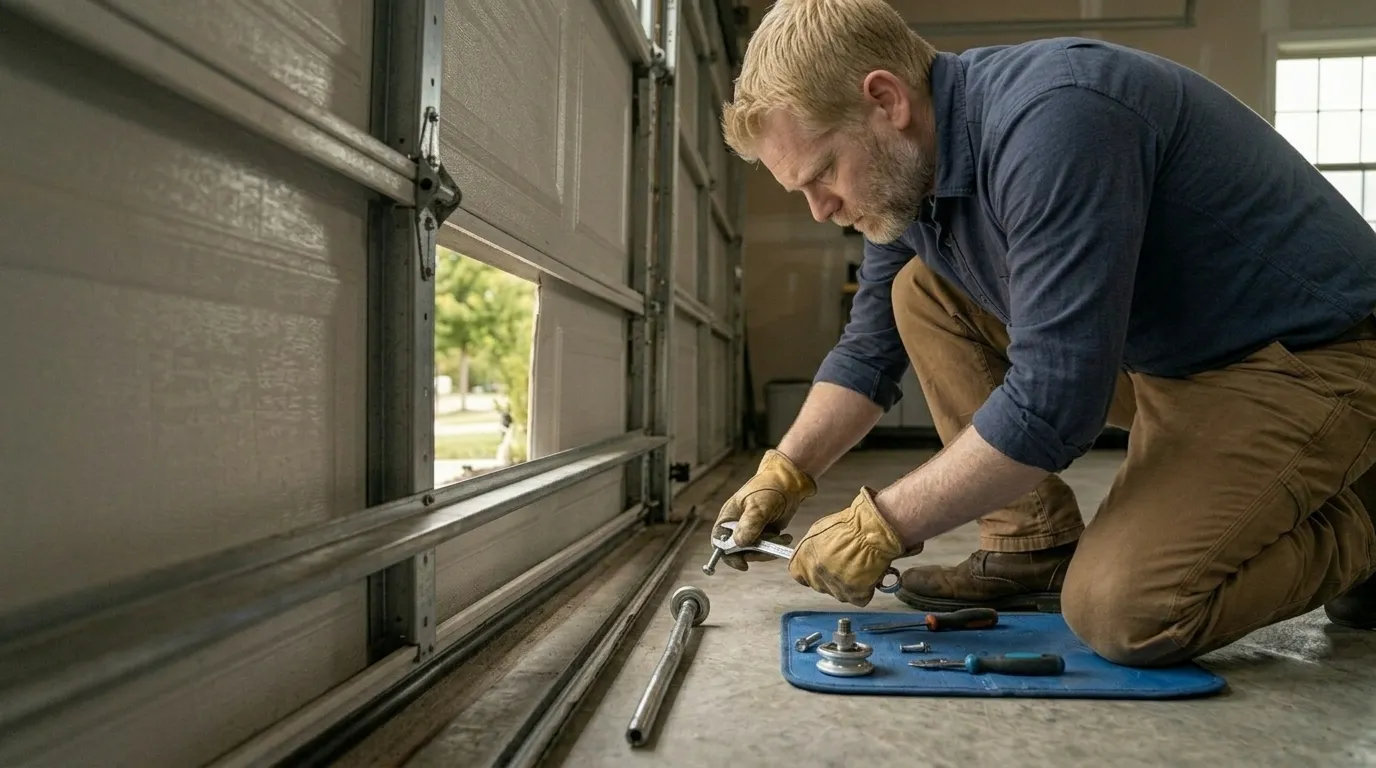
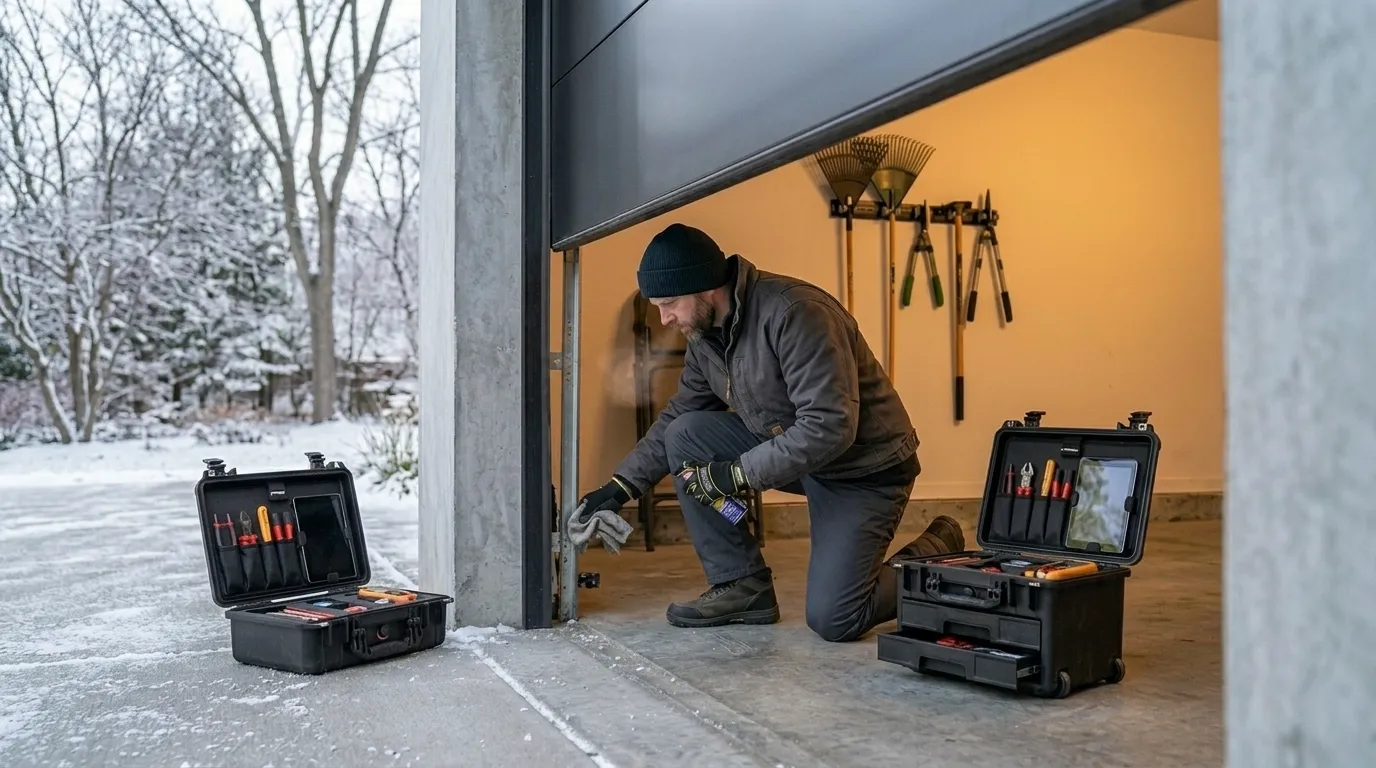
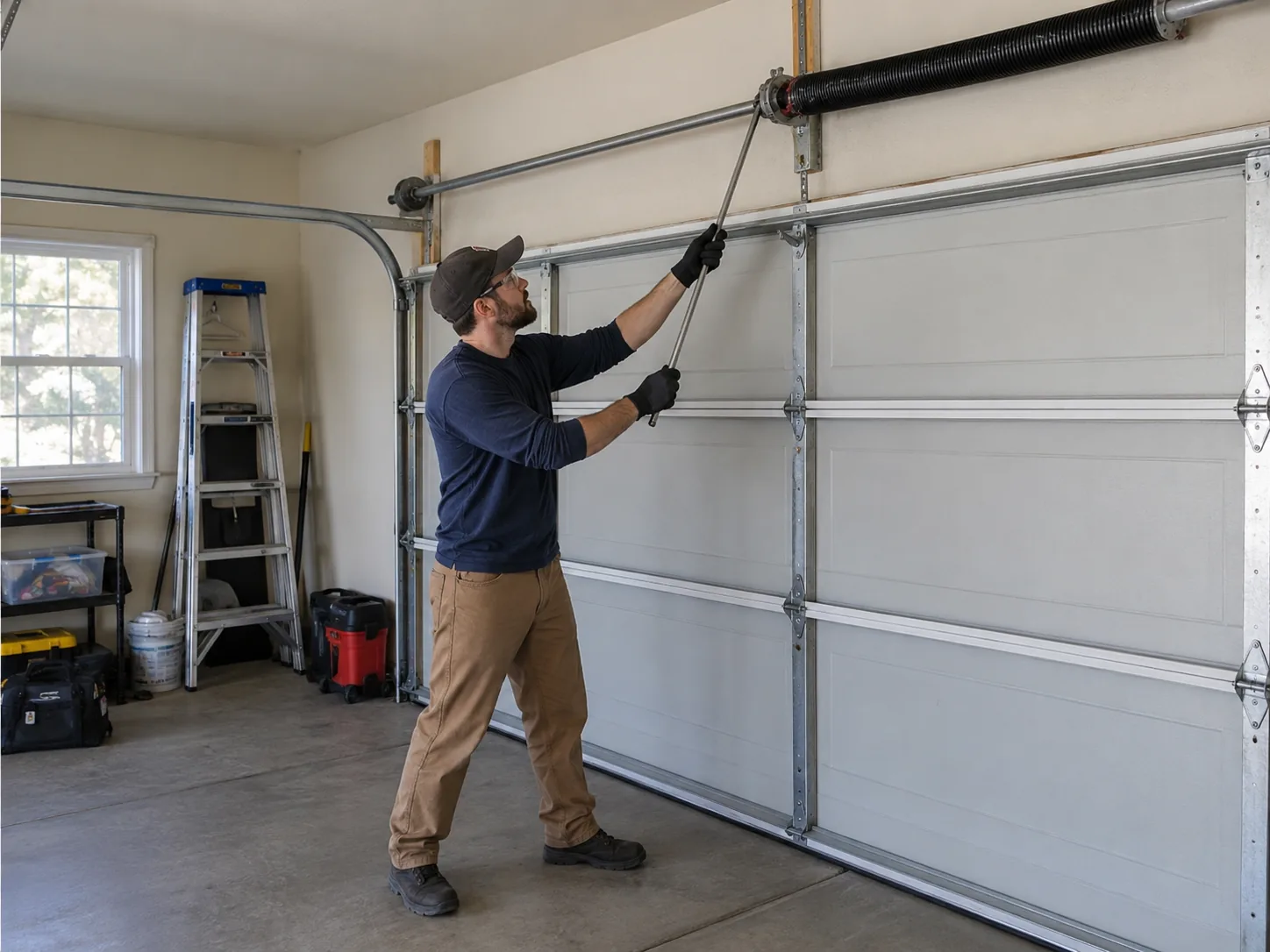
Clear repair guidance
There isn't one flat repair price, because spring work, cable repair, roller replacement, installation, commercial service, and other jobs involve different parts and labor.
Door width, spring count, spring size, cable drums, roller condition, track condition, opener age, and whether older hardware needs special ordering can all change the scope.
We inspect the actual door before giving a final number rather than quoting a flat rate that may not match the installed system.
Older homes can have original or modified hardware that differs substantially from newer garage doors.
If a discontinued component or unusual size needs ordering, we explain that before work begins.
Repair or replace?
Age alone doesn't make a garage door a replacement candidate. Repair remains practical when the panels and supporting structure are sound, while replacement becomes more sensible when several major components are worn together or compatible parts are no longer reasonably available.
A targeted repair can make sense when one spring, cable, roller, sensor, or other component has failed and the surrounding system remains serviceable.
Older steel or wood panel doors can remain worth keeping when their panels, tracks, and supporting hardware are structurally sound.
Replacement becomes more practical when springs, tracks, rollers, opener components, and other major parts are all deteriorating together.
If required spring, track, opener, or other components are no longer reasonably available, broader replacement can offer better long-term value.
Local housing matters
The broader source service area spans homes built from 1938 through 1994, with a median build year around 1963 and much of the housing concentrated in the 1960s and 70s.
That creates a mix of narrow single-car garages, double garages, torsion systems, older tracks, replacement openers, steel or wood panel doors, rollers, cables, and hardware that may have been updated at different times.
The broader area covers approximately 325,582 households, including about 152,489 owner-occupied households.
Older garages can also have heavier replacement doors fitted to original hardware, which makes actual door weight and spring sizing more important than the house's build year alone.
The correct repair depends on the hardware installed today, not simply the date the house was built.
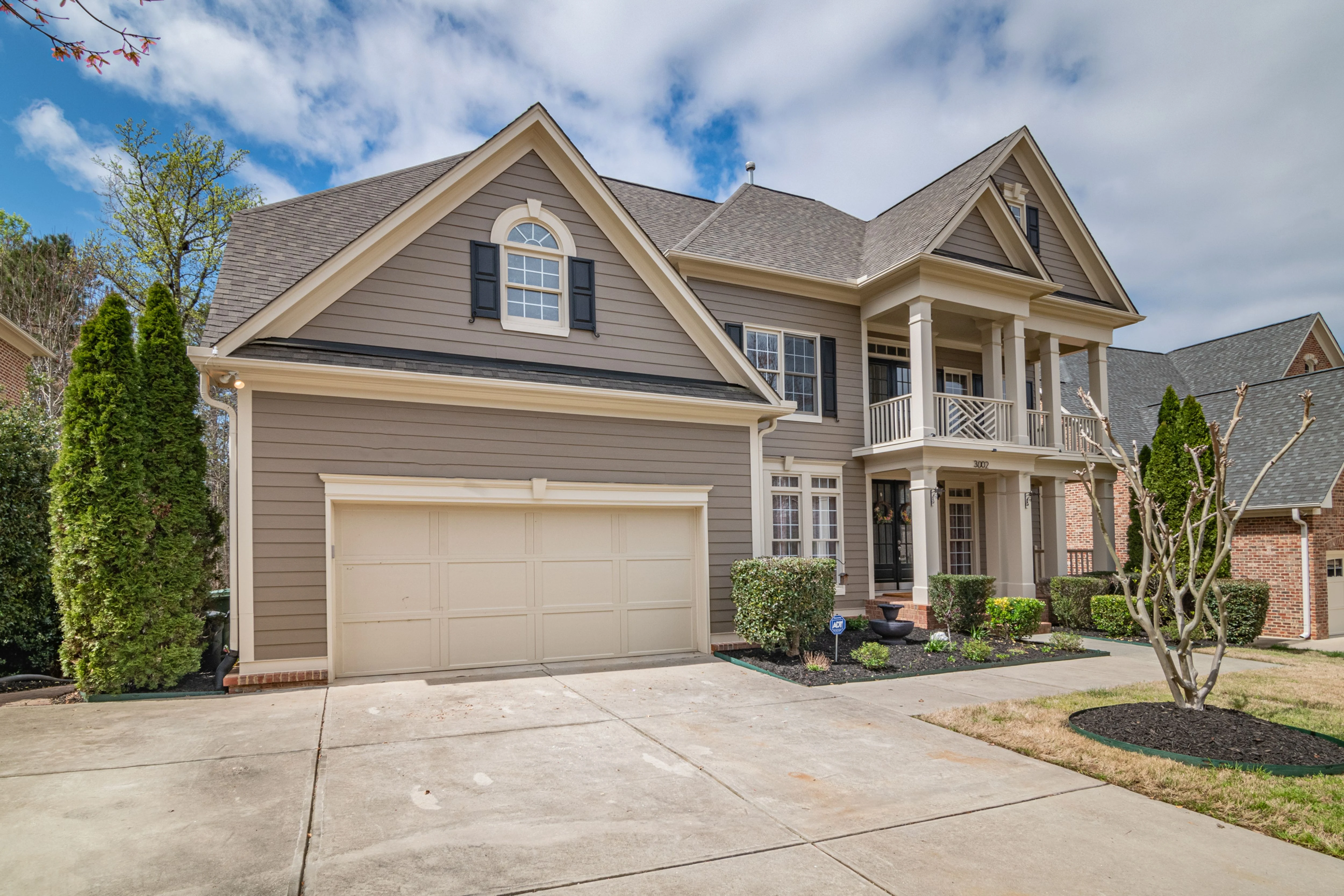
1960s–70s garage door systems
Homes concentrated around the 1960s and 70s can combine older torsion systems, narrow garage openings, replacement openers, original tracks, heavier modern panels, and several generations of repair work.
Spring size and configuration should be matched to the actual weight and hardware of the installed garage door.
Older single-car and narrow double garages can use dimensions and hardware arrangements that differ from newer construction.
A newer insulated door may have been installed on older tracks or lifting hardware that was originally sized for a lighter door.
A garage may have a newer opener while retaining substantially older springs, tracks, rollers, cables, or panels.
Common Skokie garage door problems
Broken springs, dead openers, worn rollers, cable problems, track issues, and aging panels make up much of the work across Skokie's older housing stock. Broken torsion springs and opener failures are recurring repair needs across the area's older homes; metal rollers on long-serving systems wear and develop rough travel, while cable and drum components deteriorate over years of regular use; openers may already be on a second or later generation even when the surrounding door and tracks are much older; and panel seams, weatherstripping, tracks, and other hardware show accumulated age-related wear. The correct repair depends on inspecting the whole system rather than assuming every door from the same neighborhood uses identical hardware.
Garage door springs eventually reach the end of their useful cycle life after years of repeated opening and closing.
Older opener motors, gears, boards, sensors, controls, and drive components can eventually develop operating problems.
Older rollers can become noisy, rough, damaged, or resistant after years of regular track travel.
Cables can fray, loosen, slip, or fail after years of carrying repeated lifting loads.
Older tracks and panels can develop alignment, wear, seam, rust, or structural problems that affect reliable door travel.
Cold-weather garage door wear
Skokie has a cold, moderate climate, so colder seasonal operation tends to expose existing spring fatigue, roller resistance, weather-seal deterioration, lubrication, track, and opener-load problems rather than temperature alone causing mechanical failure.
Cold-weather operation can expose weakness in a spring that is already approaching the end of its useful cycle life.
Worn metal or older rollers can become more noticeable when an aging door is already moving with added resistance.
Older weather seals, track hardware, and moving components can become less forgiving after years of seasonal exposure.
An opener can work harder when spring, roller, track, or balance problems are already making the door difficult to move.
What to expect
We start with what the door is actually doing, inspect the installed hardware, explain repair versus replacement, and set a clear parts expectation when legacy components need ordering.
Tell us whether the door won't open, won't close, makes unusual noise, or the opener runs without moving the door.
We look at the springs, cables, rollers, tracks, opener, and other installed components before giving a final quote.
We explain what is broken, what the repair requires, and whether the rest of the door makes that repair worthwhile.
Common repairs may be straightforward, while discontinued sizes or legacy components can require special ordering and additional time.
Legacy Parts Can Take Longer
Discontinued or unusual components from older garage door systems may require special ordering rather than an immediate repair.
Built around Skokie garage doors
Skokie's broad 1938–1994 housing range means similar-looking garages can use very different springs, tracks, cables, rollers, door weights, panels, and opener systems.
Spring dimensions, door weight, cable drums, roller type, track condition, opener hardware, and panel construction should be checked directly.
A previous owner may have installed a heavier insulated door or newer opener while retaining older surrounding hardware.
If the panels, tracks, and structure remain sound and one component is the actual failure, complete replacement isn't the default.
If a legacy spring, track, opener, or other component is difficult to source, the repair timeline should reflect actual parts availability.
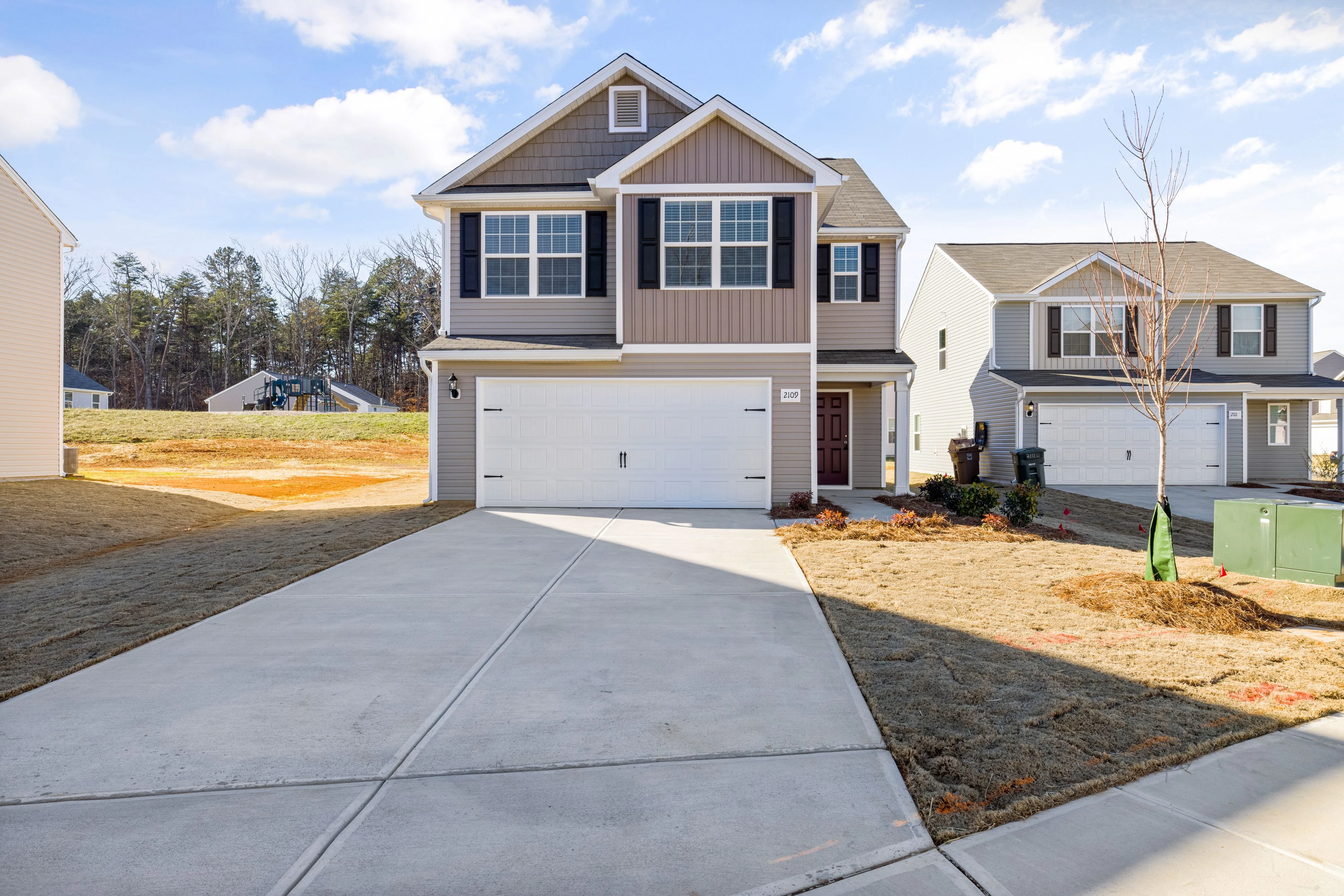
Service areas
Questions
In this climate band, cold snaps put extra load on aging opener motors and worn springs at the same time. If your house dates to the 1960s or 70s median build year for this area, the opener has likely already been replaced once and may be nearing the end of a second unit's life. Cold mornings just expose weaknesses that were already there.
Not automatically. A lot of doors from the 1938–1994 range are solid steel or wood panels that just need springs, cables, or rollers replaced. We look at the whole door — panel condition, track, opener — before saying repair or replace, rather than assuming age alone makes the call.
We work across this service area, which includes towns like Golf, Niles, Kenilworth, and others out to roughly 12–13 miles. Distance from the shop factors into scheduling, so ask when you call.
Broken torsion springs and dead openers, by far. Given the median 1963 build year across this area, a lot of original hardware is aging out at the same time, which is why spring failure on a cold morning is one of the calls we hear most.
Ready when you are
Tell us what the door is doing and we'll help you figure out whether you're dealing with a cable, spring, roller, emergency problem, installation need, commercial door issue, or an older system where legacy hardware is affecting the repair.