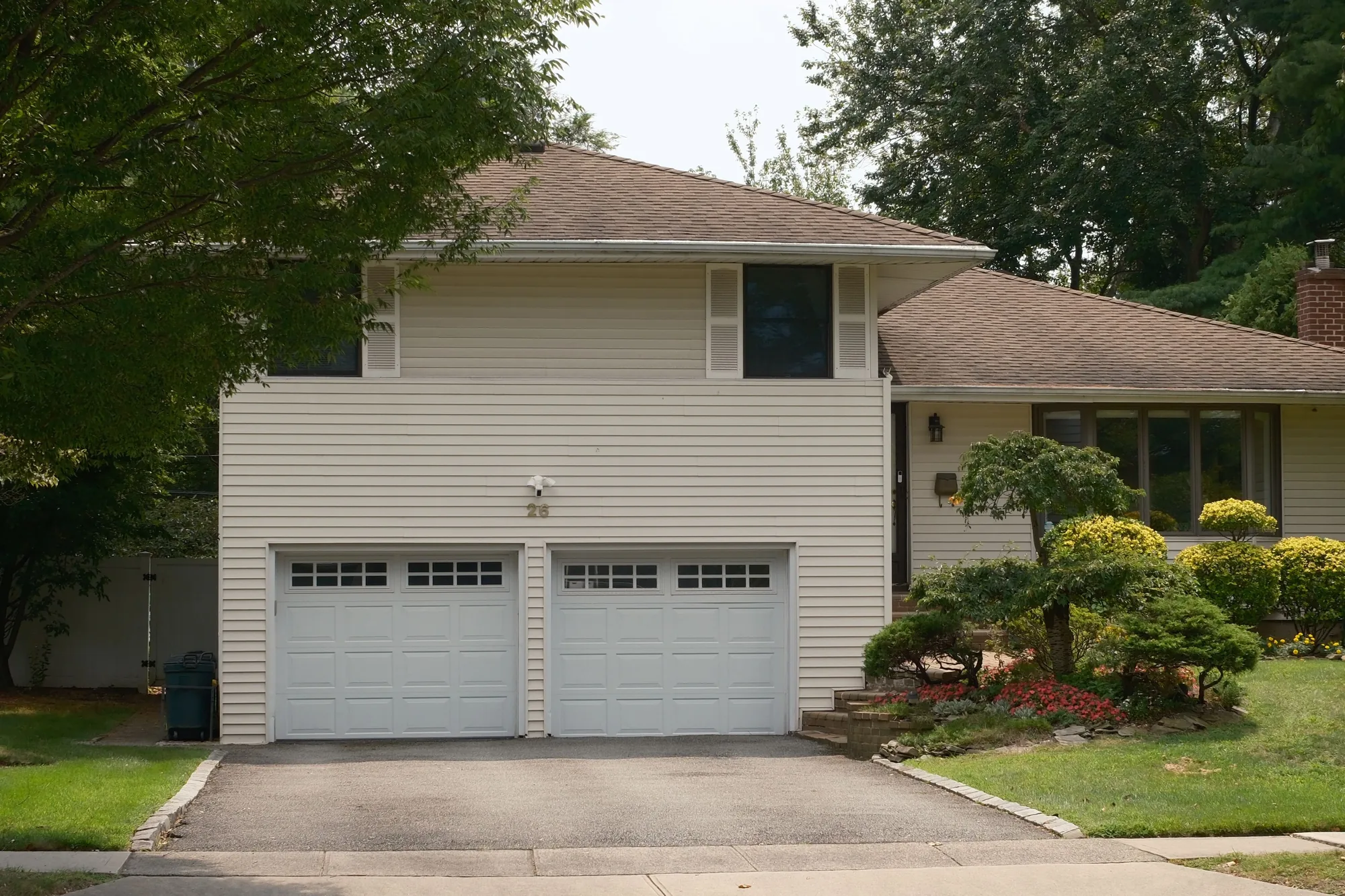
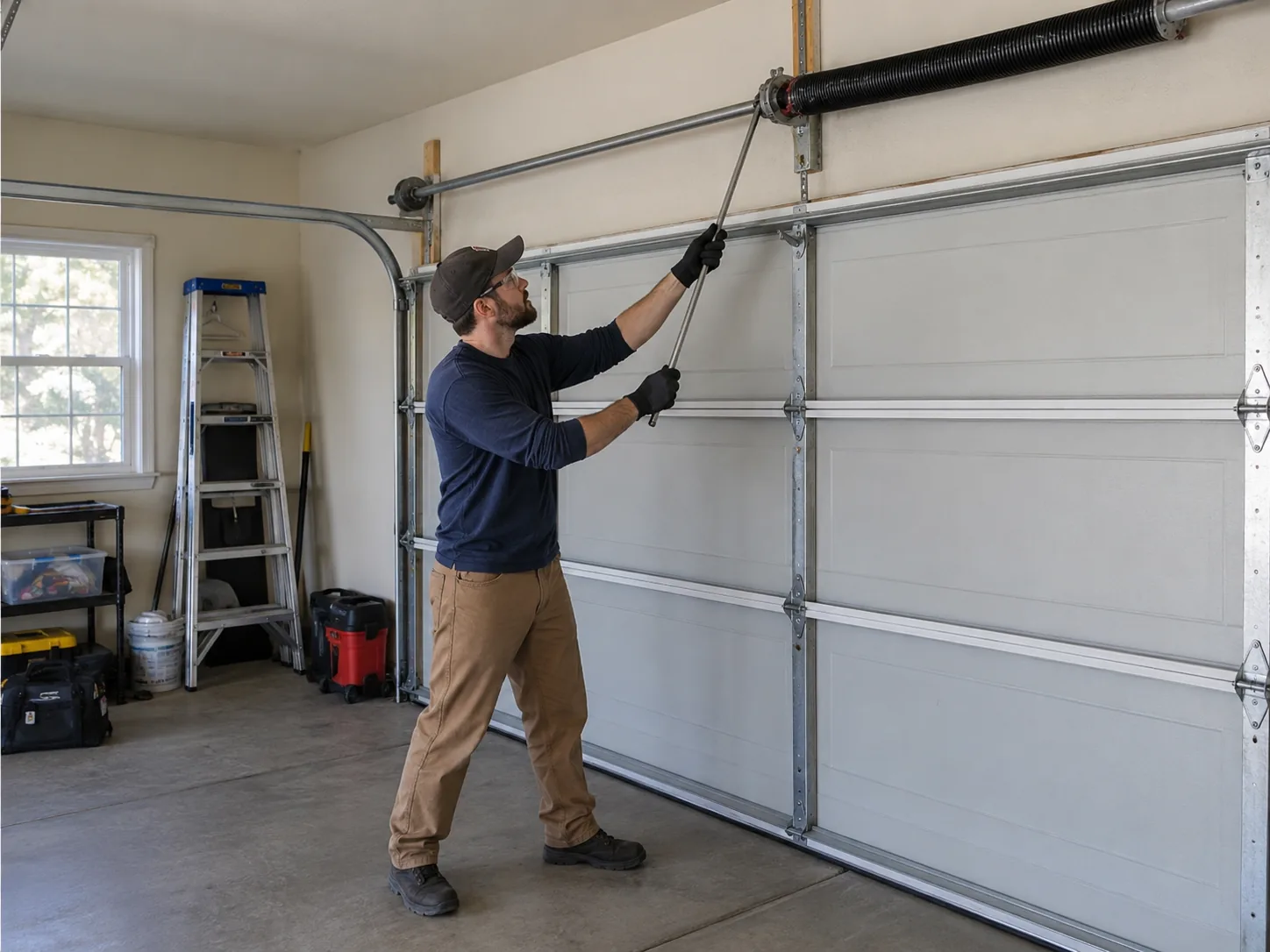
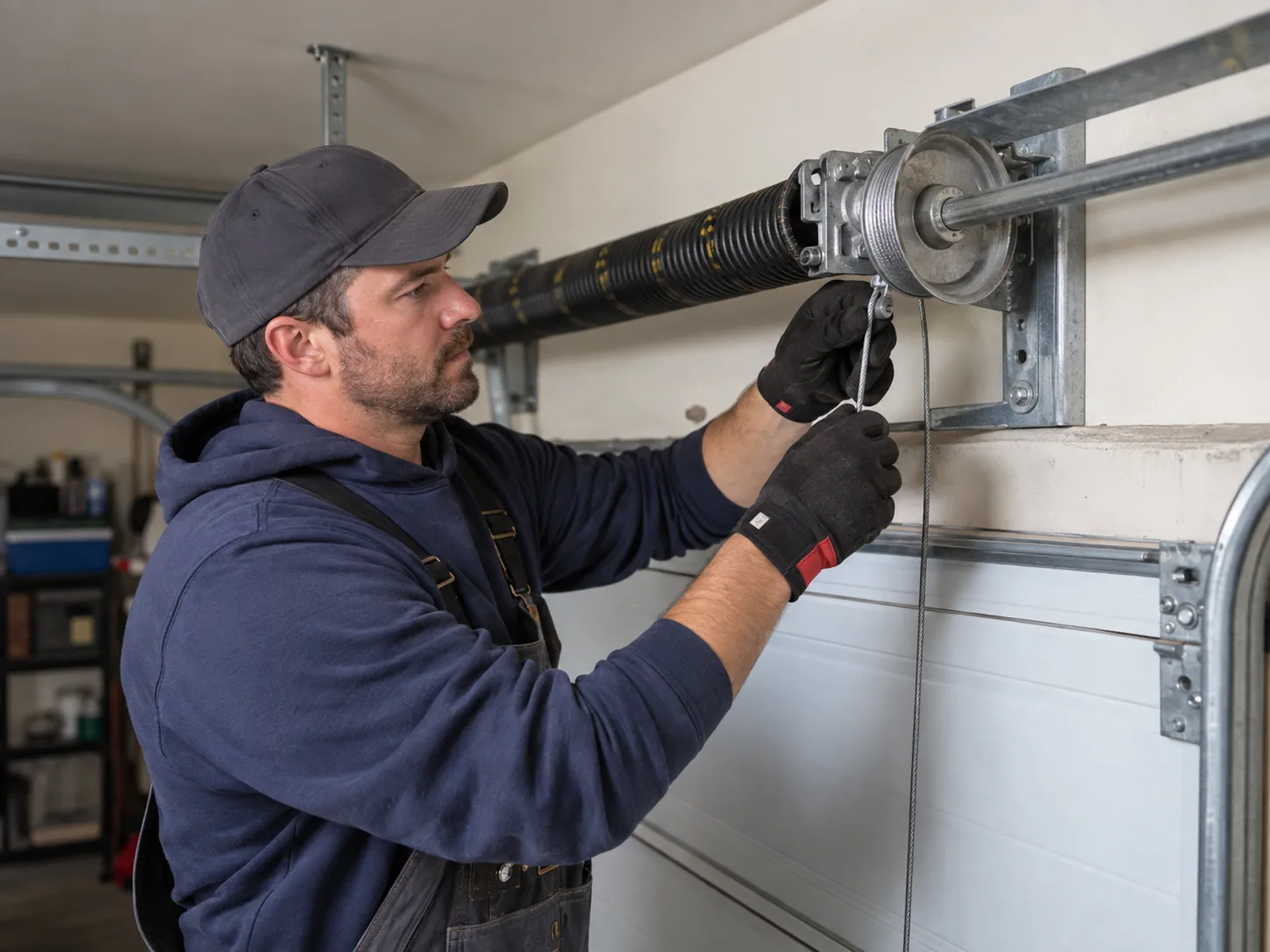
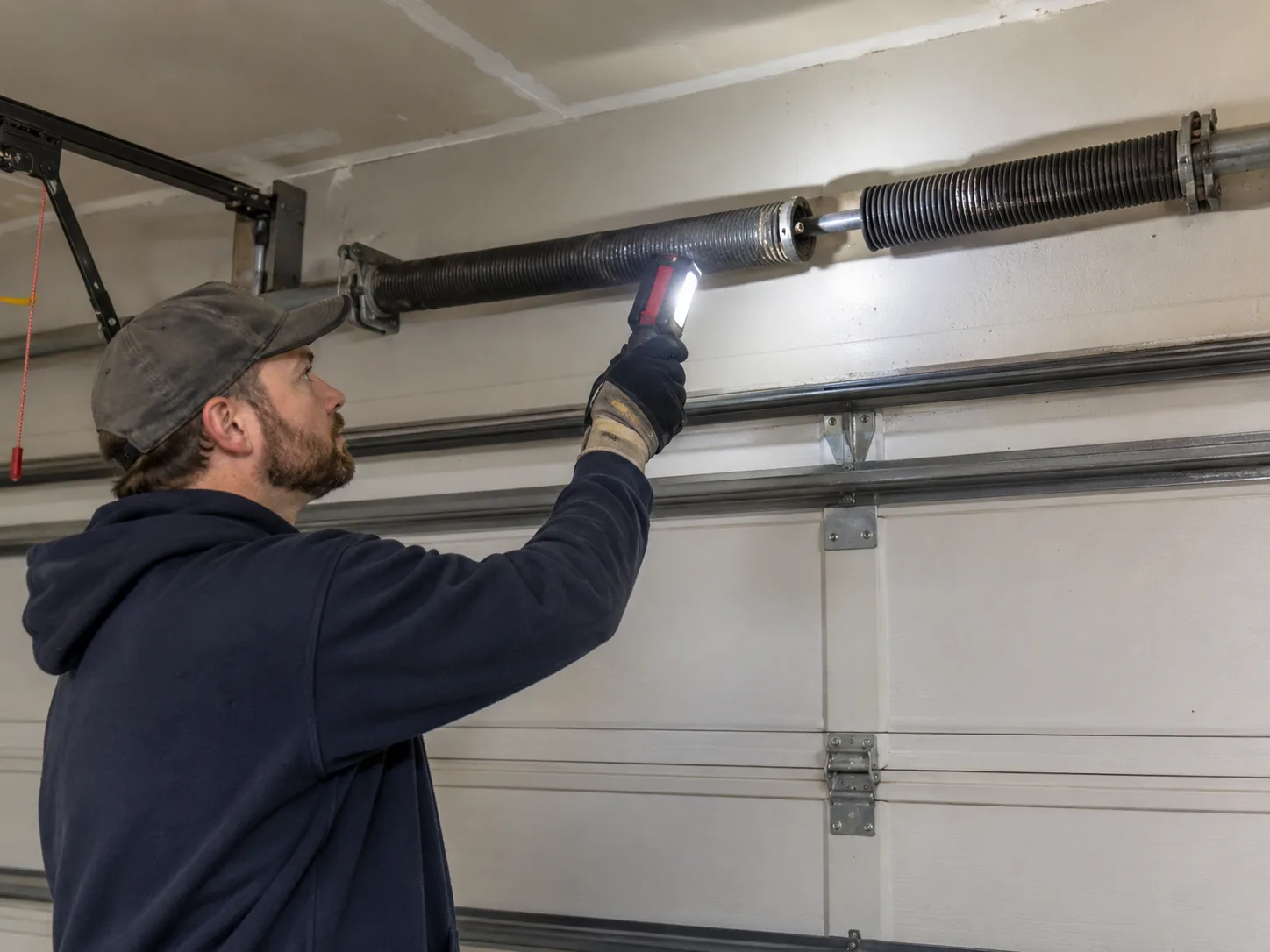
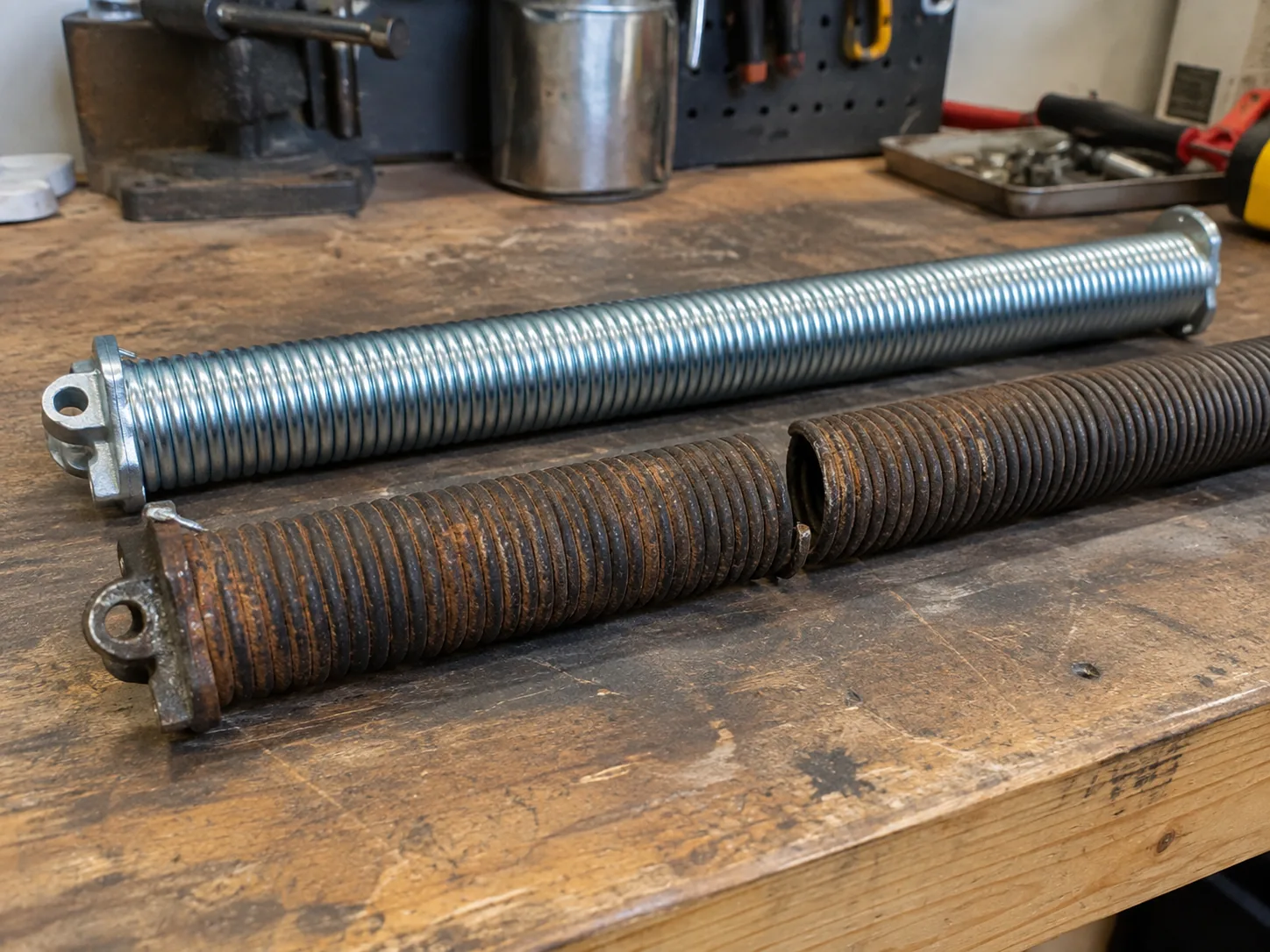
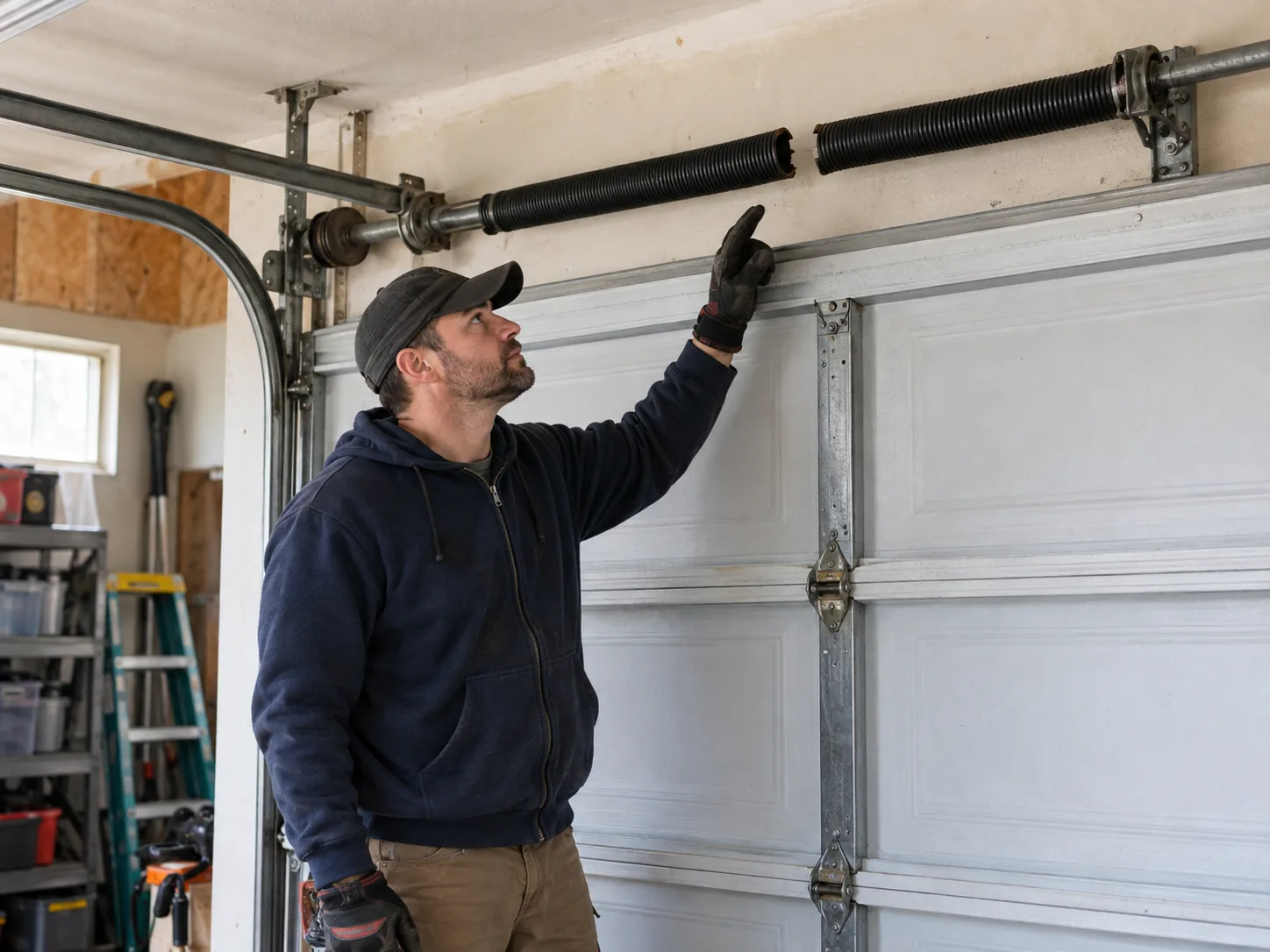
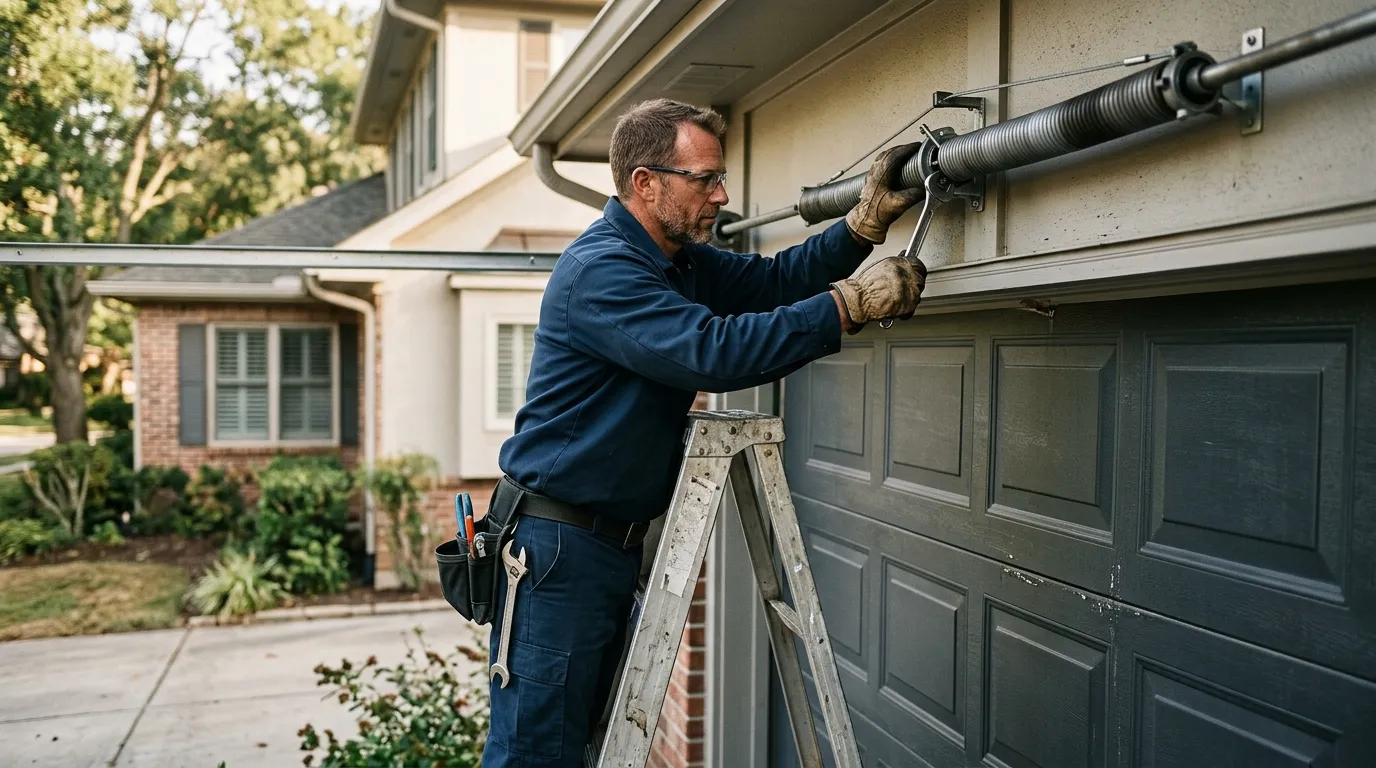
A door and track setup installed around 1960 tends to run narrower rail sizes than what's standard today, and the springs are more often torsion-over-header rather than the extension-spring-along-the-track style that showed up on cheaper builds a decade or two later. If your house falls into that earlier bracket, a broken spring usually means matching an older shaft diameter, not just grabbing a stock size off the shelf.
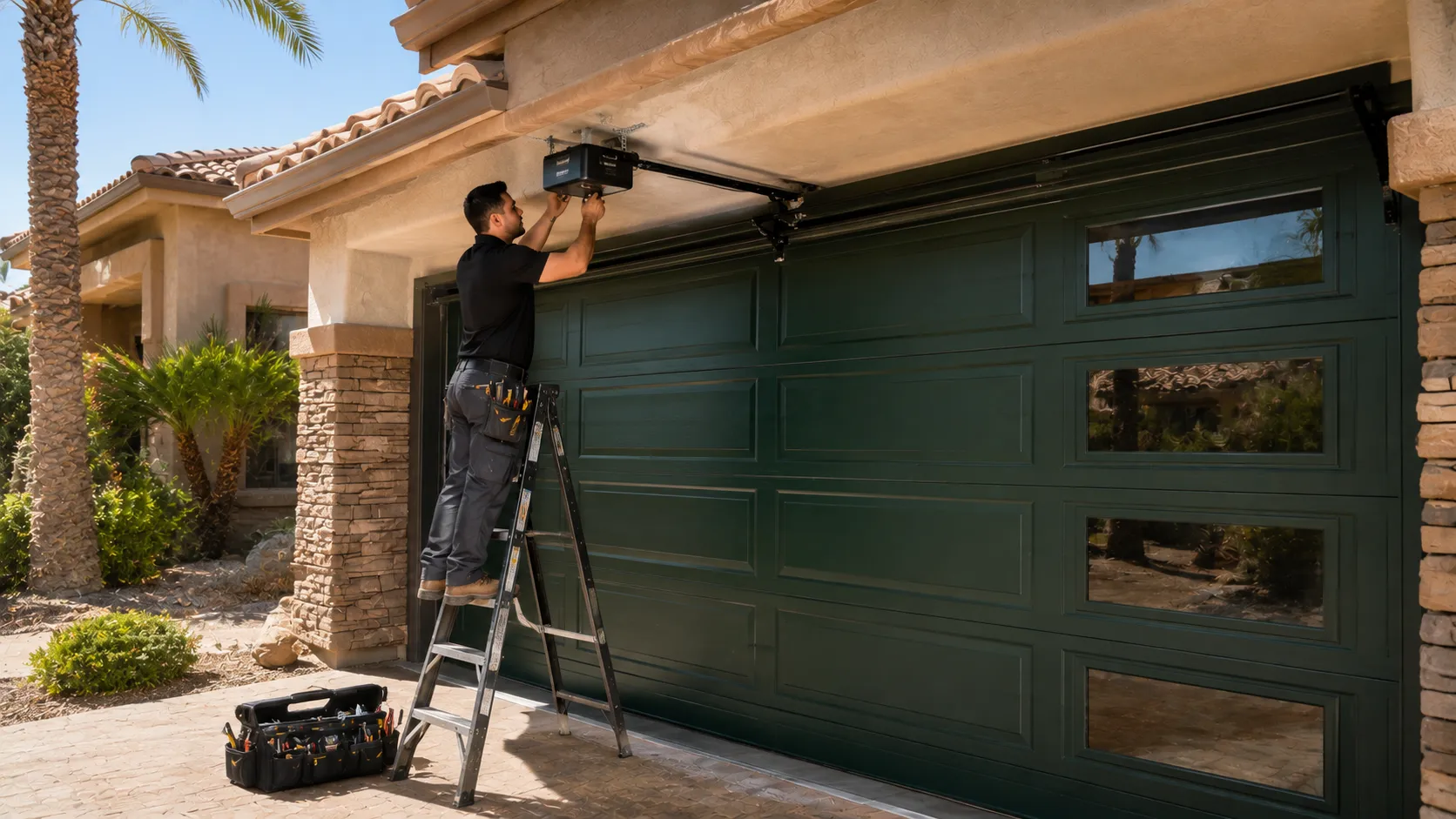
Rollers on doors this age are frequently the original steel type, no nylon, which means more noise and more wear on the track edges over time. Openers have almost always been replaced at least once by now, but the door and hardware behind the opener is often the part nobody's touched. That's the piece that actually breaks.
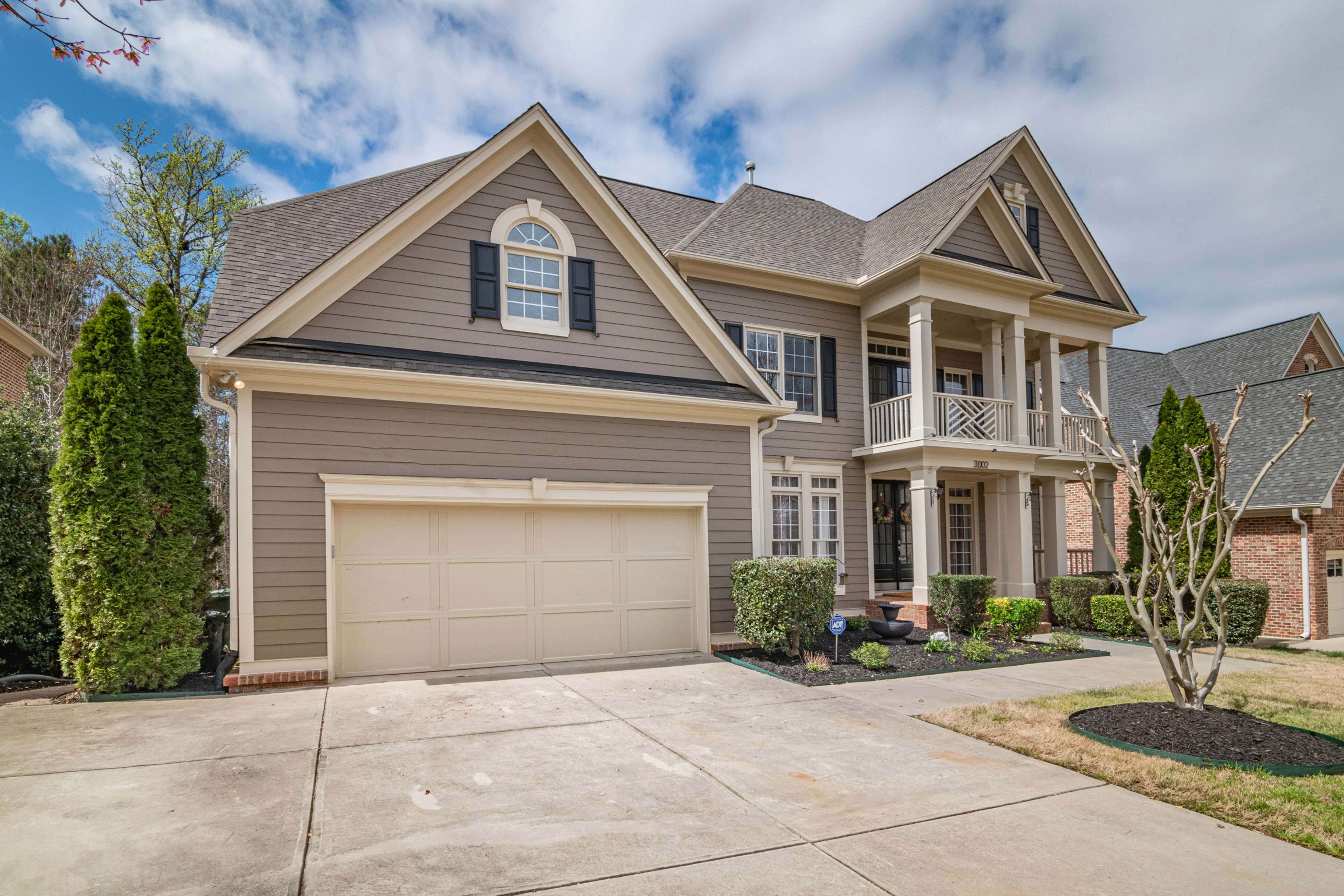
Houses built later in the range - toward the newer end of the 1938 to 1994 span this area falls under - are more likely to have factory sectional doors and standard torsion springs, which is more straightforward work. Either way, knowing the build era before we quote a repair saves a second trip for the wrong part.