
Glendale Heights, Skokie IL
Garage Door Service for Glendale Heights Homes
Serving Glendale Heights from Skokie, 19 miles out. We work on the 1970s-era doors and openers common to this area's housing stock, built mostly after 1978.
Local detail
The Split Between Old and New
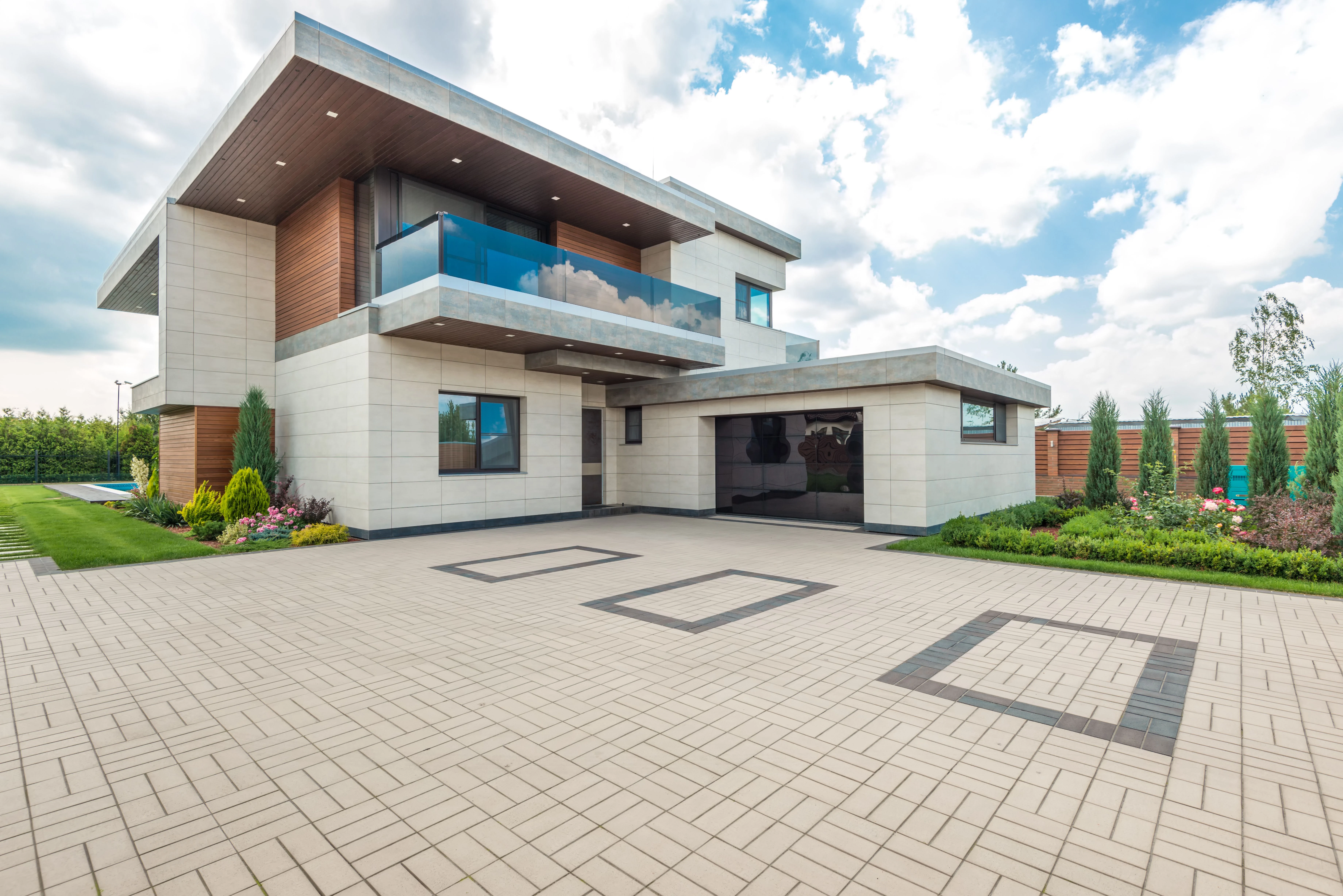
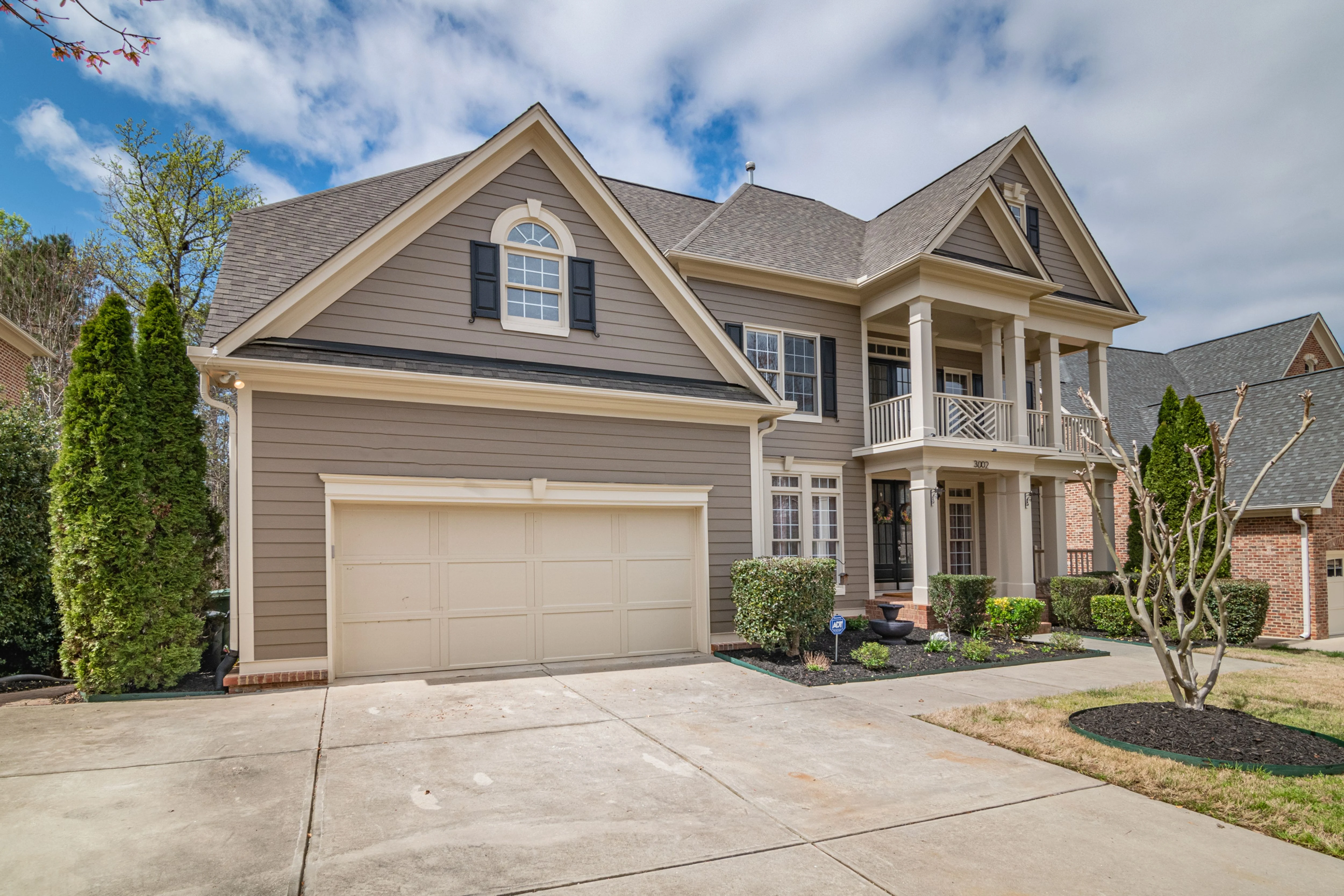
Skokie Garage Door Pros covers a service area where the typical house went up between 1938 and 1994, with a median build year of 1963 across the 64 named communities we work in. Glendale Heights doesn't fit that pattern. The median year built here is 1978, a solid fifteen years newer than the area median. That gap matters more than it sounds like it should.
A neighborhood built in the early 1960s is full of original one-piece doors, side-mounted torsion springs bolted to hardware nobody stocks anymore, and openers that have been swapped out two or three times since. A neighborhood built closer to 1978 skipped most of that. By then, sectional doors with extension or torsion springs mounted on a center shaft were standard, and the chain-drive opener was already the norm. The failure points are different, the replacement parts are different, and the age of the springs when they finally give out is different too.
We don't treat Glendale Heights like a copy of the older blocks nearer Skokie. The building stock here calls for a different set of assumptions before a truck ever gets loaded.
The area
What the Housing Means for Your Door
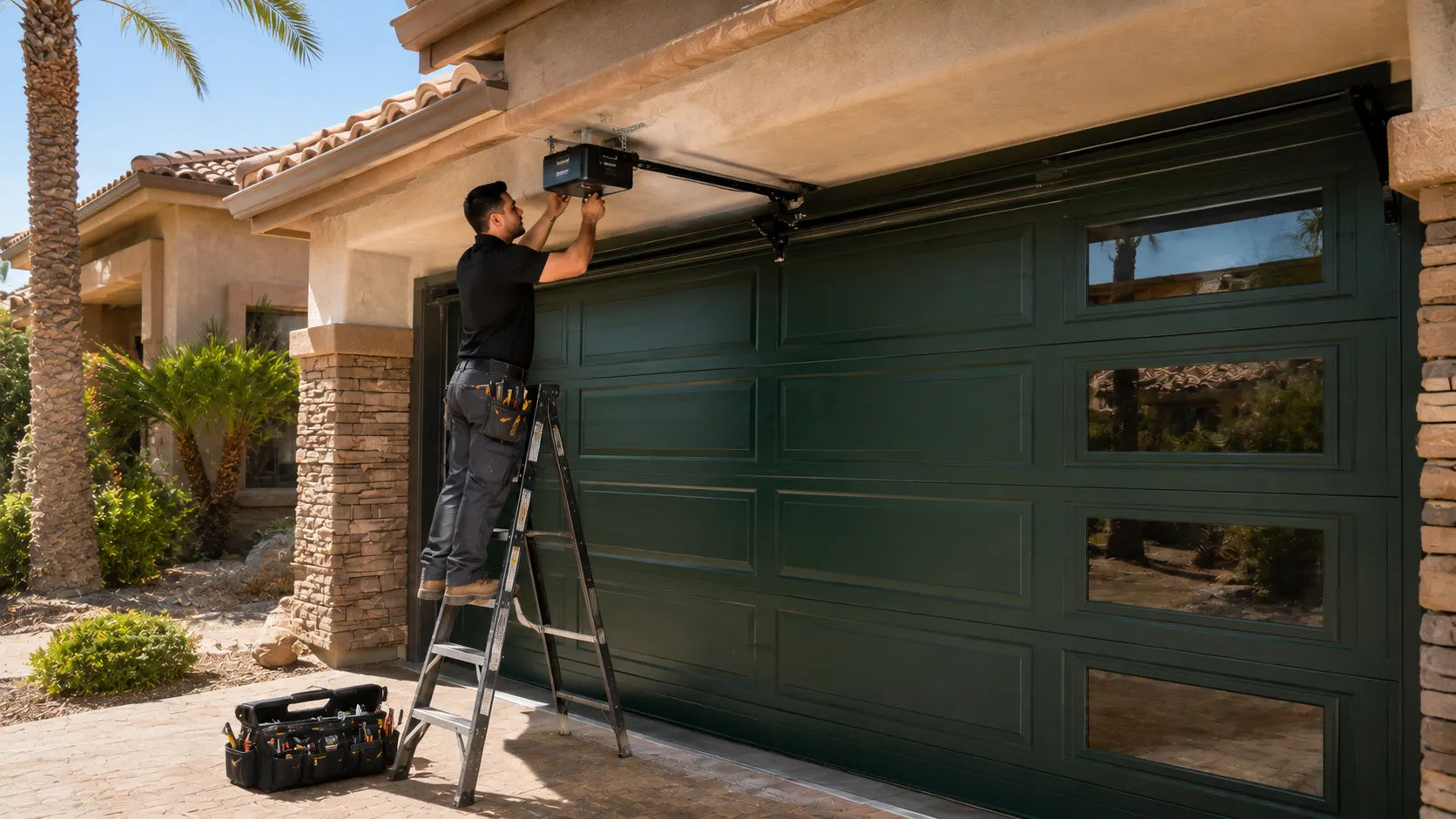
With a median build year of 1978, most Glendale Heights garage doors are sectional, not one-piece, and most openers are chain or belt drive on a standard rail rather than the older screw-drive or gear-drive units you still find on 1960s houses closer to the lake. Torsion springs from this era sized for the door weight and headroom common to late-70s construction, which means replacement springs are easier to source correctly, not harder.
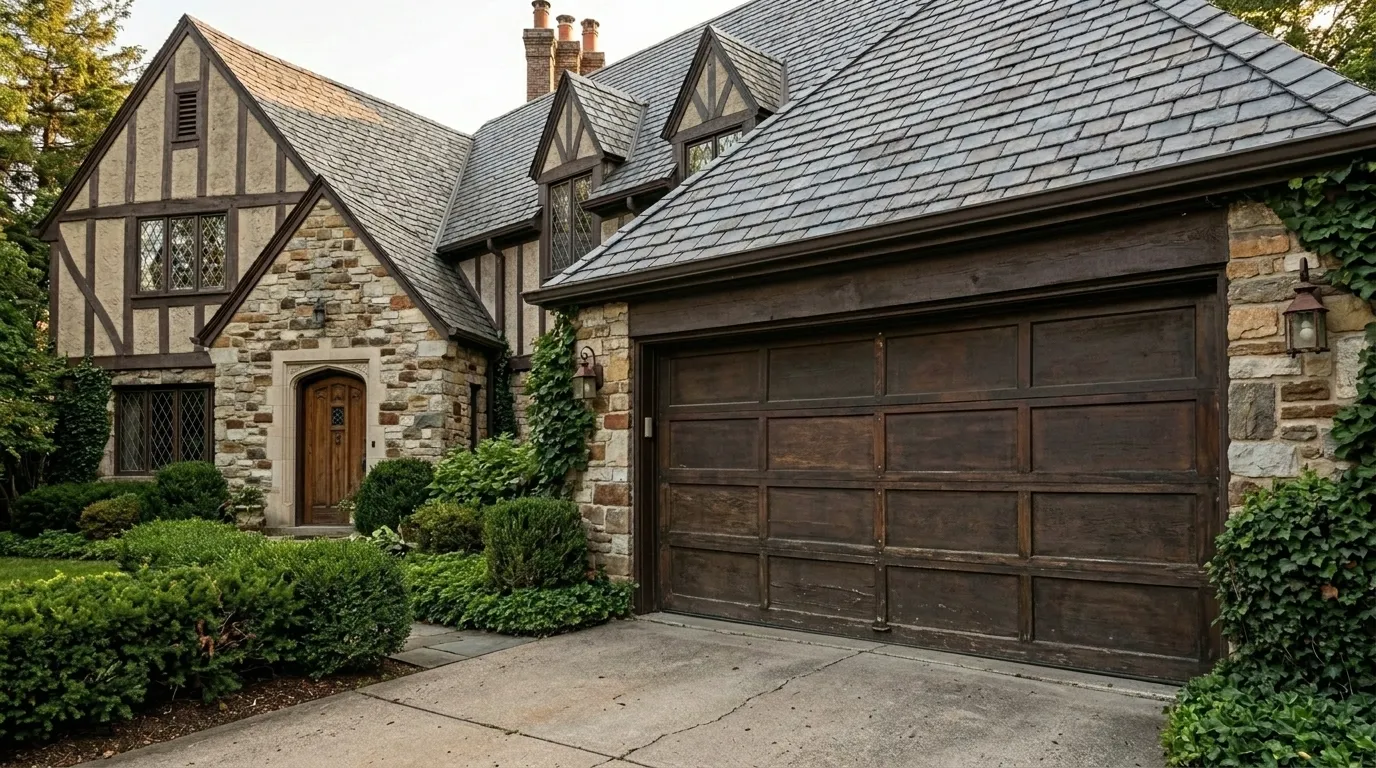
The climate here is cold, moderate by federal band, and that's true across the whole service area regardless of build year. What changes with the building stock is where the cold does damage. A 1978 door has weatherstripping and track alignment that were spec'd for tighter tolerances than a 1963 door retrofitted decades later. When a Glendale Heights door binds in winter, it's more often an alignment or roller issue than a structural gap in the door panel itself. We look at the track and the rollers first here before we start talking about the door itself.
What we find
What We Will Not Take On
We travel from Skokie, about 19 miles to Glendale Heights, and we're upfront that this isn't a same-day guarantee or a standing local presence. If a job needs a part we don't carry on the truck, there's a wait for it, and we'd rather tell you that up front than promise a fix we can't deliver that day.
We also won't recommend a full door replacement on a door that just needs a spring or a section repaired, even though replacement pays better. If the frame and track are sound and the springs matched to the door's build era are available, repair is usually the honest answer for houses from this period. Where we draw the line is structural: if the door has been hit hard enough to bend the frame or crack multiple panels, replacement is the only real fix, and we'll say so instead of patching something that will fail again in a season.
How we work
This Area's Housing
Glendale Heights has roughly 11,396 households, smaller than the 325,582-household footprint across our full coverage area, and a median household income of $82,232, below the area-wide median of $96,794. That income gap doesn't change what a spring costs, but it does mean we don't push add-ons that don't need doing.
The median build year of 1978 puts most homes here in a specific stretch of garage door hardware: sectional steel doors, torsion springs on standardized shafts, and openers that were early production chain-drives if original, or later replacements if not. It's a more uniform stock than the 1938-to-1994 spread you see closer to Skokie, which actually makes diagnosing a common fault - worn rollers, a stretched cable, a spring at the end of its cycle count - more predictable once we know the house's era.
 64 areas covered
Service areas
Other areas we cover near Glendale Heights
Questions
Common questions
Do you have a location in Glendale Heights?
No. We're based in Skokie, about 19 miles away, and travel out to Glendale Heights for jobs. We don't claim a local depot or a guaranteed same-day window because of that distance - we'll give you a straight answer on timing when you call.
Are Glendale Heights garage doors different from ones in older parts of the service area?
Yes. The median home here was built around 1978, later than the 1963 median across our wider coverage area. That means more sectional doors on standardized torsion hardware and fewer of the original one-piece doors and obsolete opener types you find in 1960s-era homes.
Will you always recommend replacing an old door instead of repairing it?
No. If the frame and track are sound and the parts for your door's era are available, repair is usually the right call. We only recommend replacement when there's structural damage - a bent frame or cracked panels - that a repair won't actually fix.
Ready when you are
Need a garage door sorted in Skokie?
Skokie Garage Door Pros repairs and installs garage doors, springs and openers in Skokie, IL and the surrounding area.