
Elmhurst, Skokie IL
Garage Door Service for Elmhurst Homes, From Our Skokie Shop
Serving Elmhurst homes built between 1938 and 1994, we fix the torsion springs, tracks and openers that come with a mid-century housing stock. We travel from Skokie.
Local detail
The Split Between Old and New
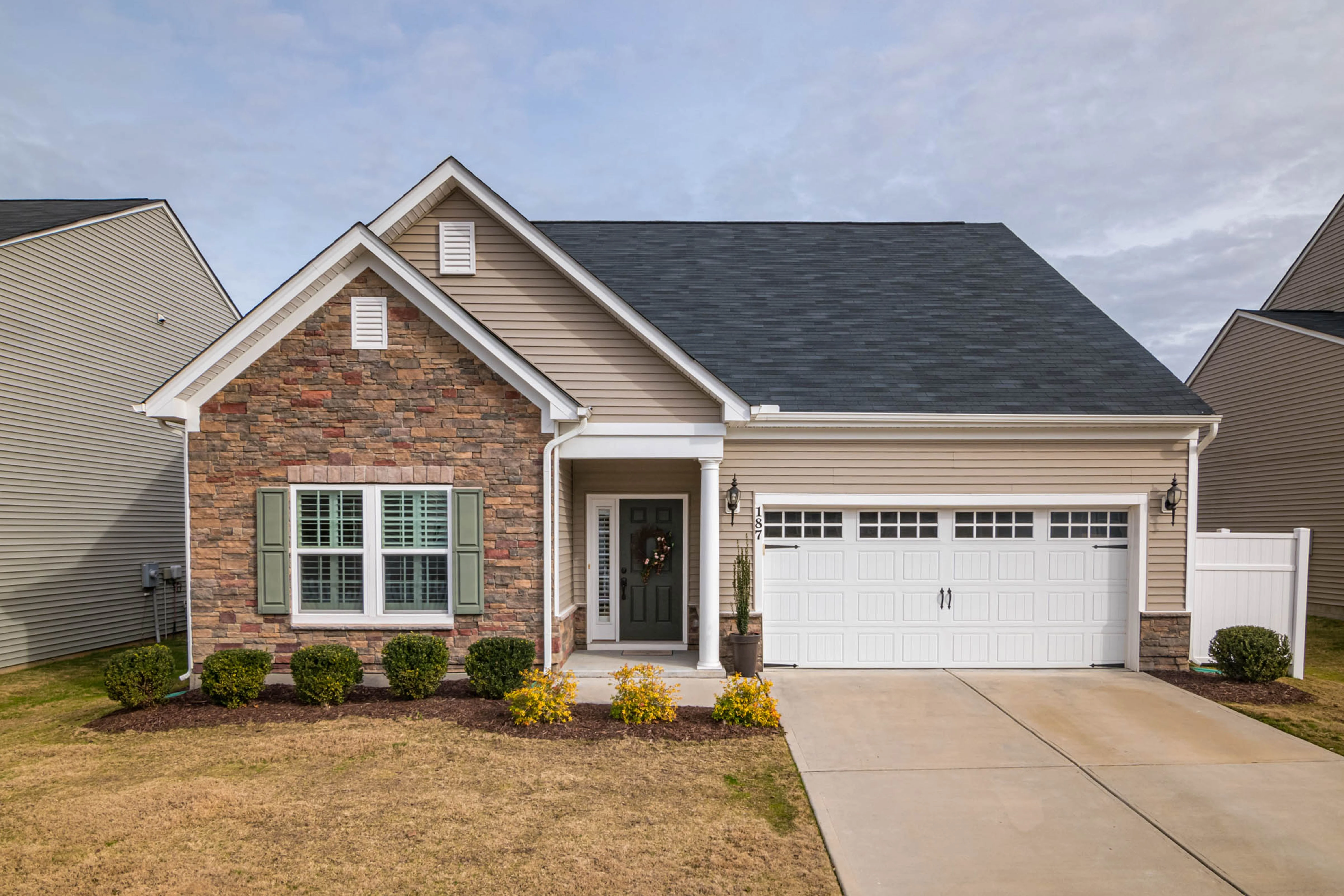
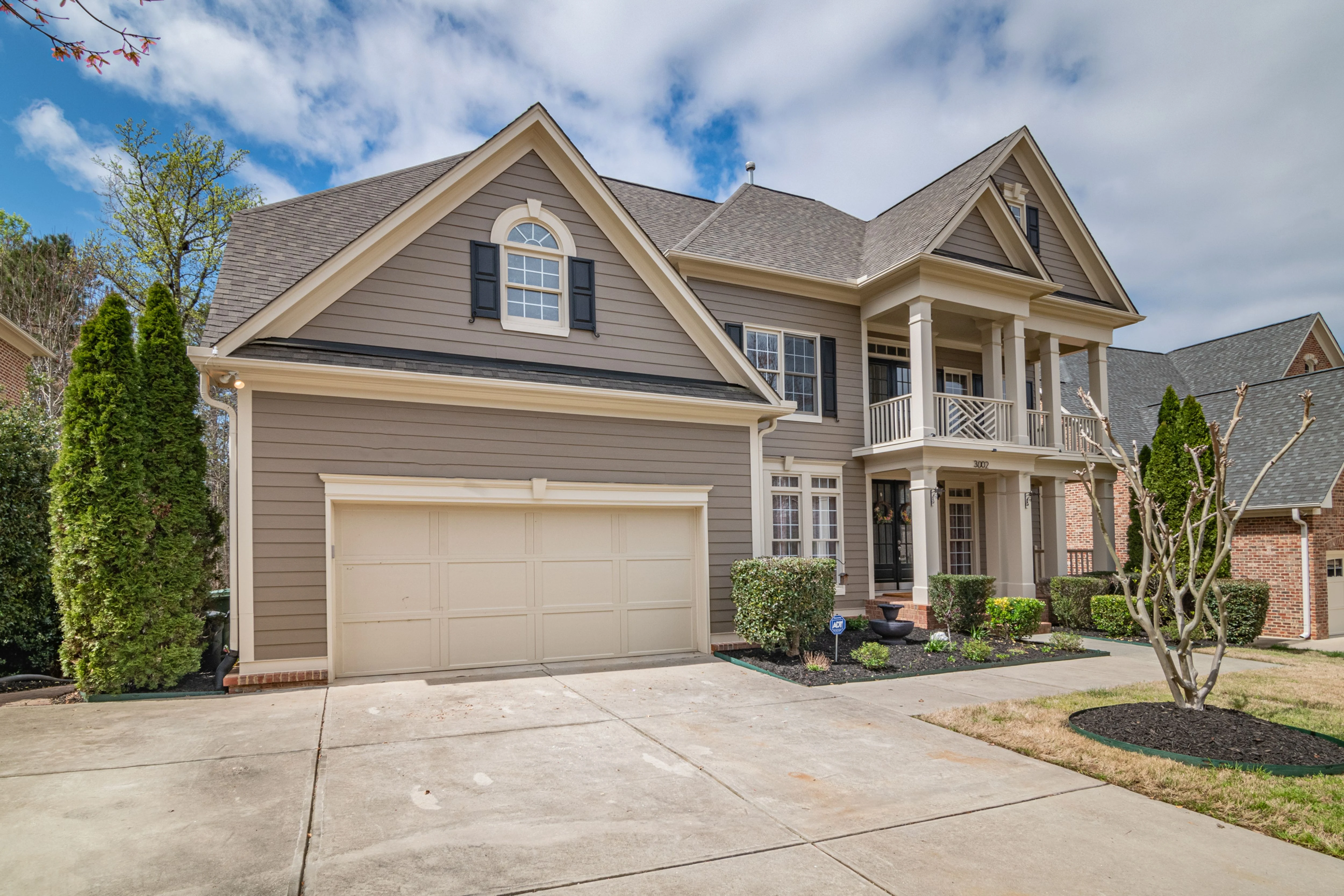
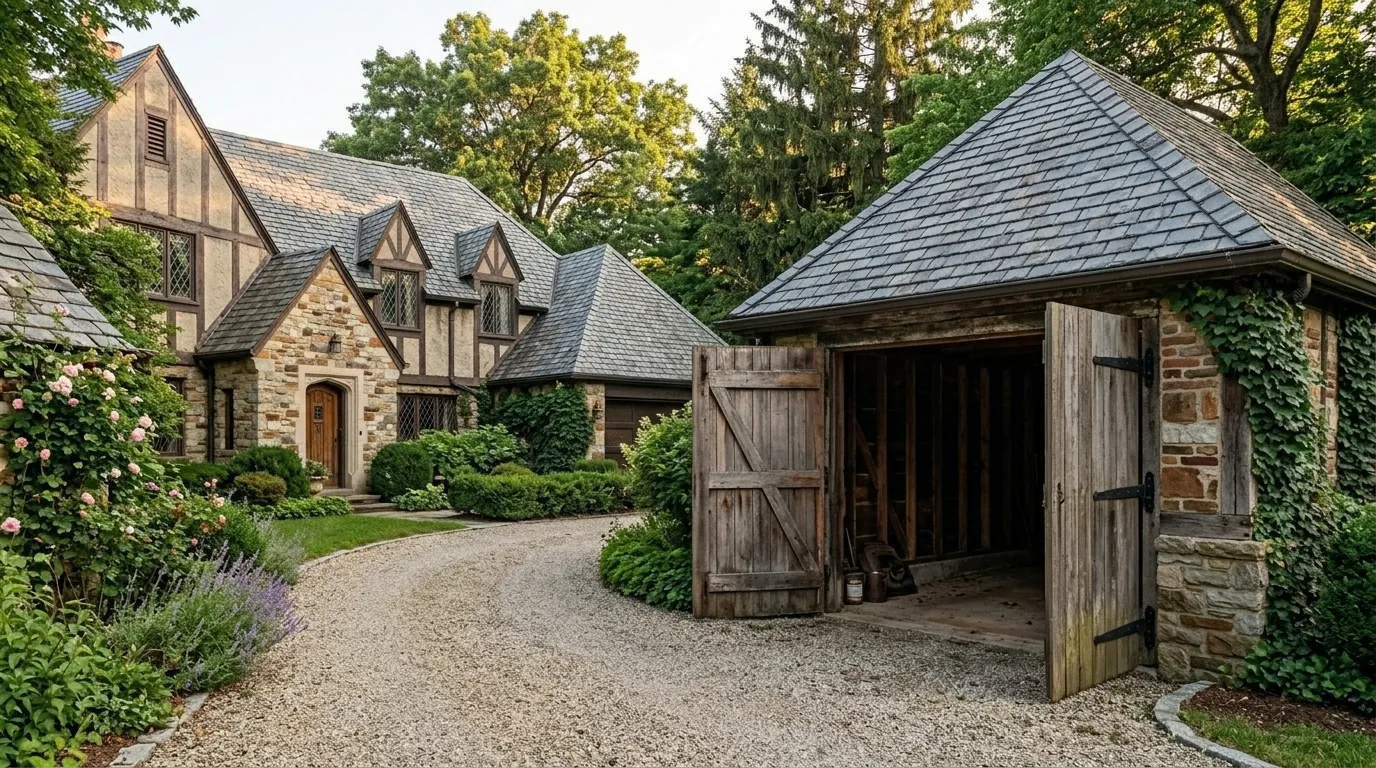
Elmhurst's median home was built in 1964, which puts it right in the thick of a building boom that ran from 1938 to 1994 across the wider area we cover. That range matters more than it sounds. A house from the late 1930s or 1940s usually has a narrower garage opening and older hardware bolted to the framing by hand. A house from the 1970s or later is more likely to have a wider two-car opening built for a factory-made sectional door and a torsion spring system mounted the way manufacturers still mount them today.
Elmhurst has both. Walk a few blocks in some sections and you'll pass a pre-war one-piece door next to a 1980s sectional with a chain-drive opener bolted on later. That mix means we can't quote a job over the phone based on the street address alone. We need to know what's actually on the header before we say what part it takes.
We won't pretend every house here fits one mold, because it doesn't. The split between old and new is the first thing we check when we get a call, not an afterthought.
The area
What the Housing Means for Your Door
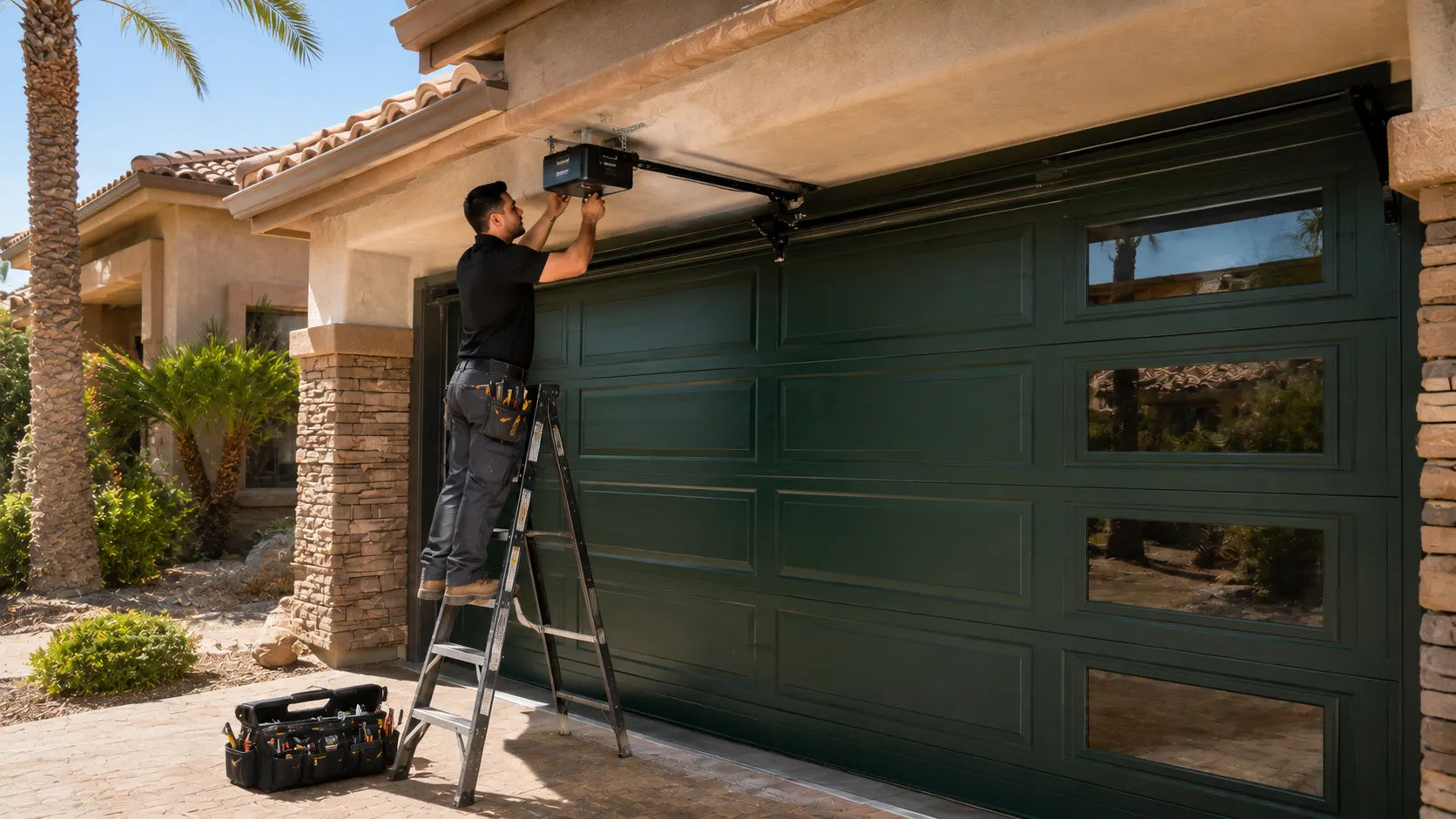
Homes from the earlier end of that 1938-1994 range often still run one-piece tilt-up doors on side-mounted torsion hardware, or old extension springs strung along the horizontal track with no containment cable. Both are parts categories that most suppliers stopped stocking new decades ago, so a repair sometimes means adapting a modern part rather than dropping in an exact match.
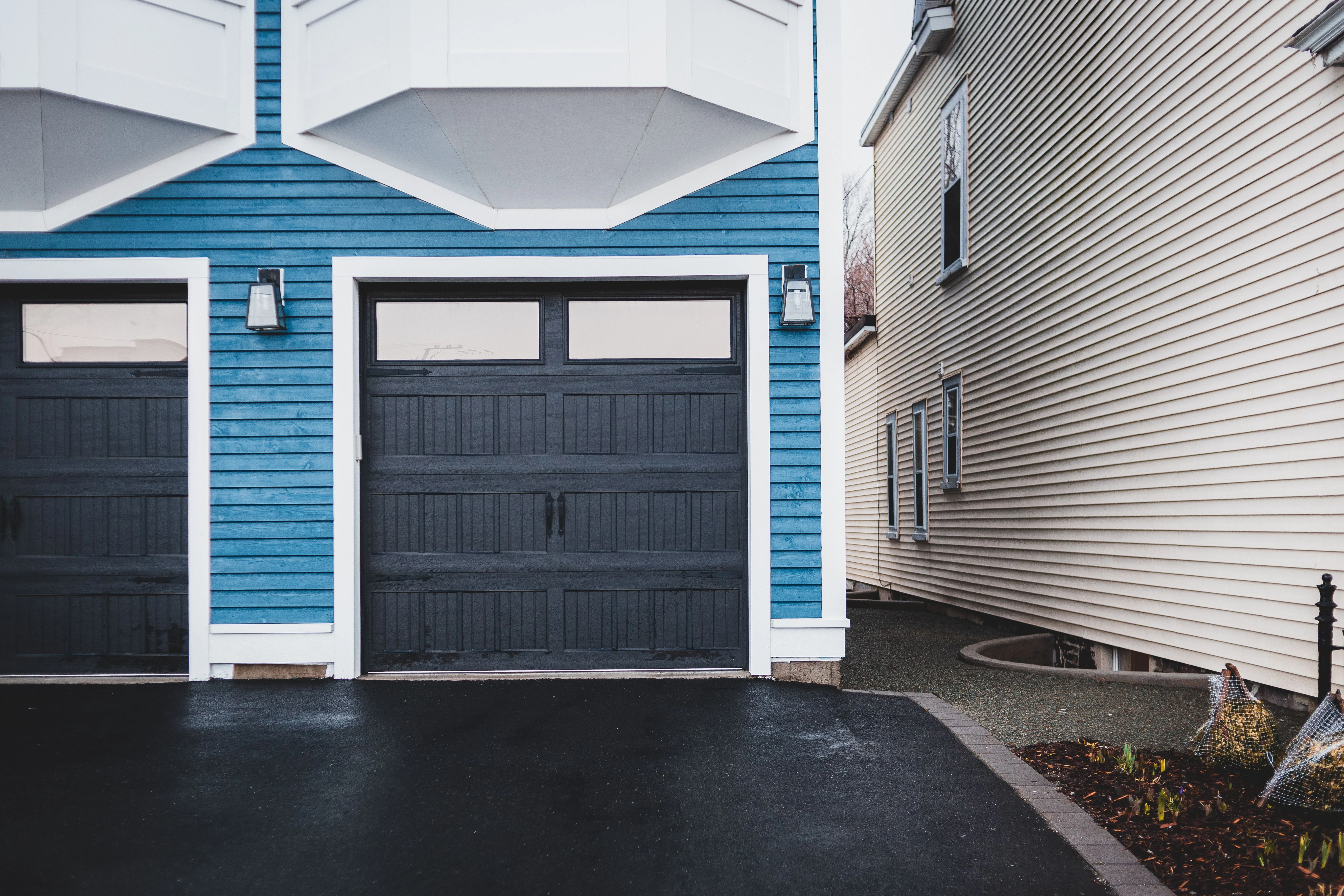
Houses built from the 1960s onward, which make up most of the stock in this part of the service area, are more likely to have standard torsion springs centered over the door and a sectional panel door that takes off-the-shelf hardware. Those are more straightforward repairs.
The cold winters here matter regardless of the house's age. In a cold climate, steel torsion springs lose a bit of tension as temperatures drop, and nylon rollers get brittle and crack faster than they would in a milder region. If your door has gotten harder to lift by hand once it's below freezing outside, that's usually the spring, not the opener, and it's worth having someone look at the coil before it lets go entirely.
What we find
What We Will Not Take On
We work out of Skokie, and Elmhurst sits about 14 miles out, which is one of the longer drives on our route. We don't advertise a local depot here and we won't tell you we do - if you need something same-day, ask when you call so we can be straight about timing before you wait on us.
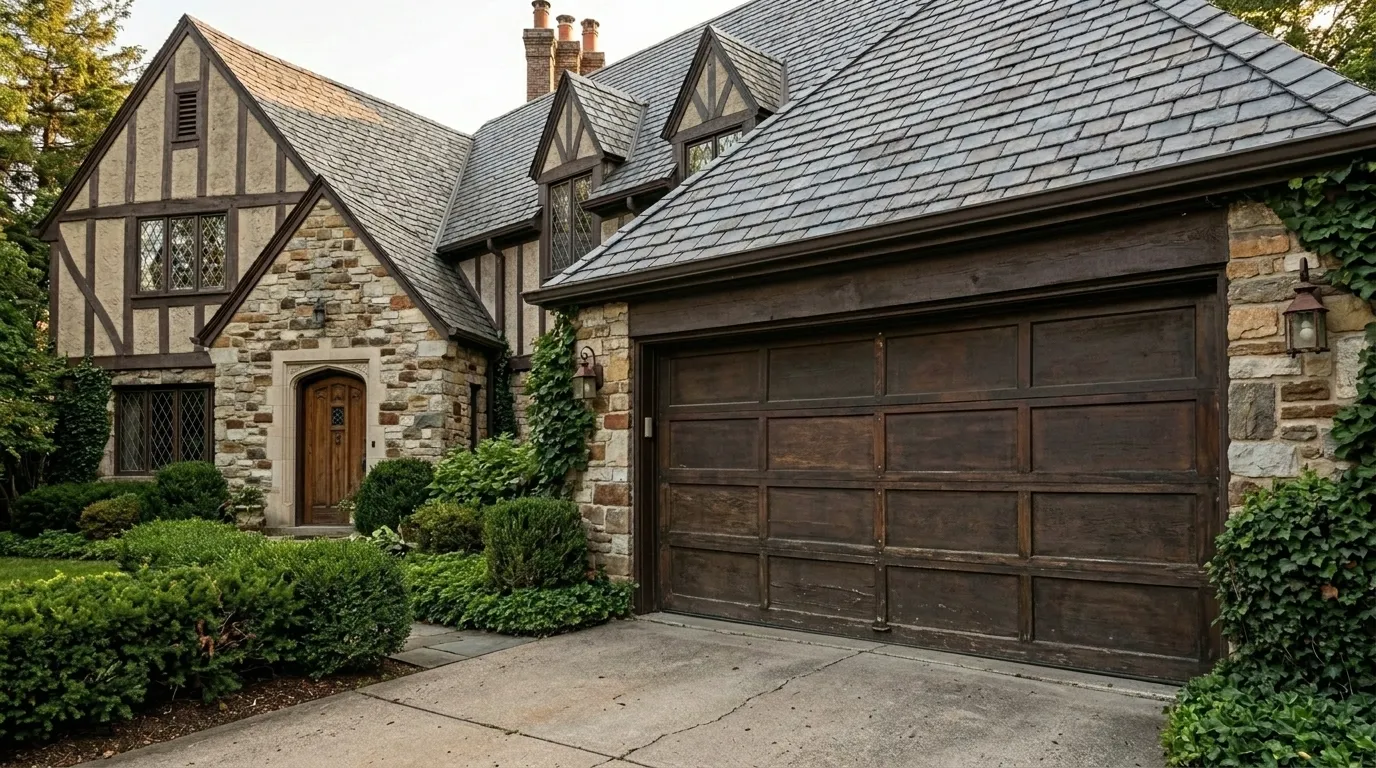
We also won't chase down an exact factory match for a door old enough to predate the current parts catalogs. If your one-piece door from the earlier building years has a broken lift cable or a cracked track and the manufacturer no longer exists, we'll tell you plainly when a repair is throwing good money after a door that's due for replacement anyway. Patching an obsolete track section to save it for another two years usually costs more in labor than it's worth.
What we will do is look at the actual hardware in front of us, tell you honestly whether it's a repair or a replacement, and not pad the estimate with parts you don't need.
How we work
This Area's Housing
Elmhurst has roughly 16,863 households, a small slice of the 325,582 households spread across our whole coverage area. Median household income here runs about $145,374, well above the $96,794 median across that broader area, and that shows up in the kind of door work we get called for - more owners here are replacing an aging opener or upgrading insulated panels before something actually breaks, rather than waiting for a spring to snap.
That doesn't mean the housing stock is uniform. The 1964 median build year sits comfortably inside the 1938-to-1994 range that defines most of the neighborhoods we serve, and Elmhurst has pockets on both ends of it - older sections with original hardware, and later additions with newer sectional doors. If you're not sure which category your house falls into, the easiest tell is the spring setup: a single spring centered over the door usually means newer, a pair of long springs running along the horizontal track usually means older.
 64 areas covered
Service areas
Other areas we cover near Elmhurst
Questions
Common questions
Do you have a shop in Elmhurst?
No. We're based in Skokie and drive out to Elmhurst, about 14 miles away. We're upfront about that distance when you call so you know what to expect on timing, especially for anything urgent.
My garage door is original to the house - can you still get parts?
Sometimes. Houses at the older end of the 1938-to-1994 range often have hardware that's no longer made new. We can usually adapt a modern part to fit, but for some older one-piece doors, replacement ends up being the more honest recommendation than a patched repair.
Why does my door get harder to open in winter?
This area sits in a cold climate zone, and steel torsion springs lose some tension as temperatures drop while nylon rollers stiffen and crack. If lifting gets noticeably harder once it's below freezing, it's usually the spring losing tension, not a motor problem.
How do I know if my door is old-style or newer hardware?
Look at the springs. A single spring mounted horizontally above the center of the door is the newer setup, common in houses built later in the 1938-to-1994 range. A pair of long springs running along the horizontal tracks on either side usually means older, pre-1960s hardware.
Ready when you are
Need a garage door sorted in Skokie?
Skokie Garage Door Pros repairs and installs garage doors, springs and openers in Skokie, IL and the surrounding area.