
Guide
Openers, Power Cuts, and the Houses Skokie Actually Has
Skokie homes built mostly between 1938 and 1994 pair with cold-climate power cuts to strain openers. Here's what that combination actually does to your door.
Local detail
What the Weather Here Does to It
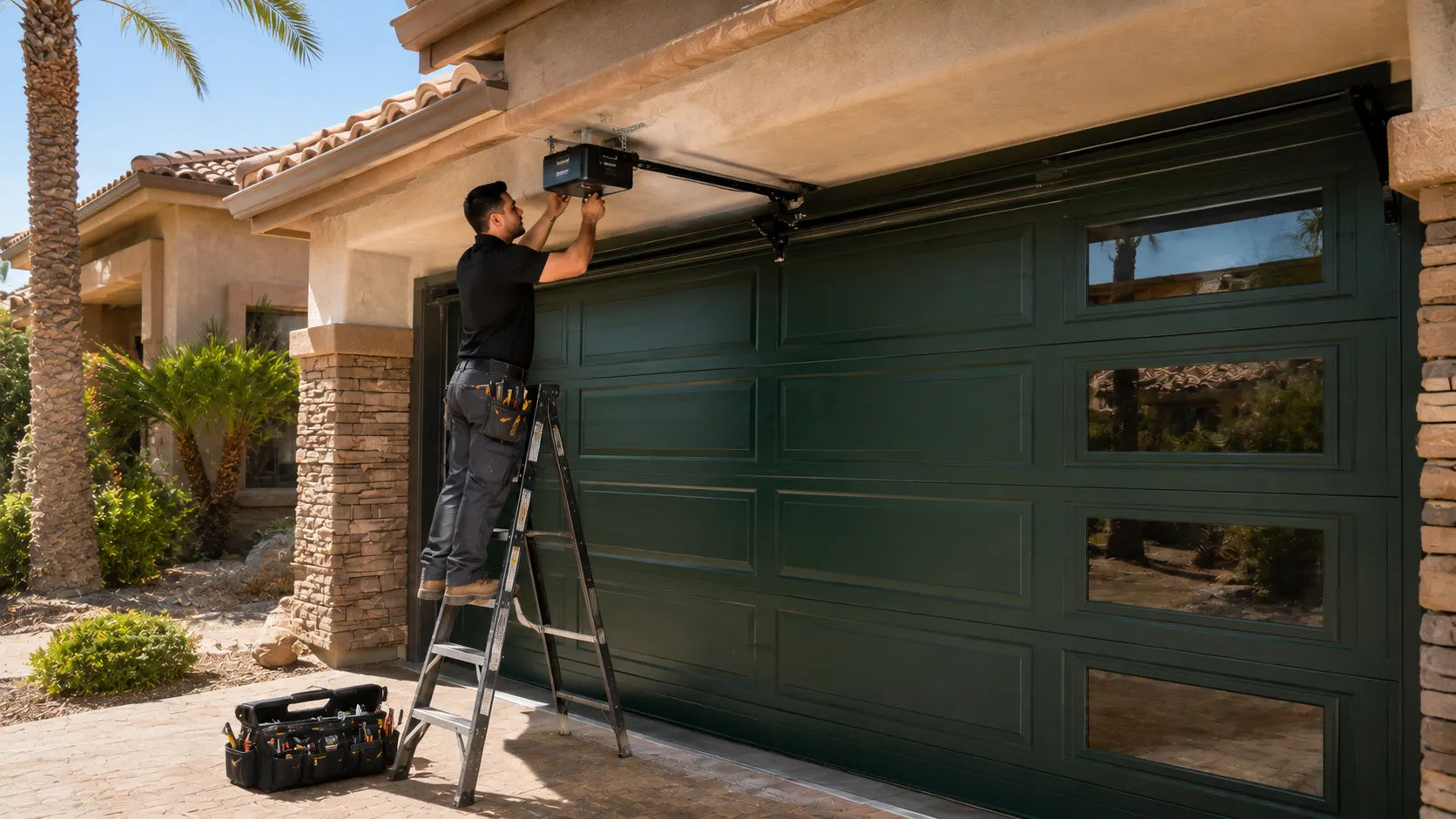
Skokie sits in a cold-moderate climate band, which means the garage door opener in your house has to survive real freeze-thaw cycles every winter, not just a couple of cold nights. Most attached garages here aren't heated, so the opener motor, the logic board, and any battery backup unit sit right at outdoor temperature for months at a stretch. Lithium and lead-acid backup batteries both lose a meaningful share of their rated capacity in the cold, which matters a lot when the backup is the only thing standing between you and a stuck door during a power cut.
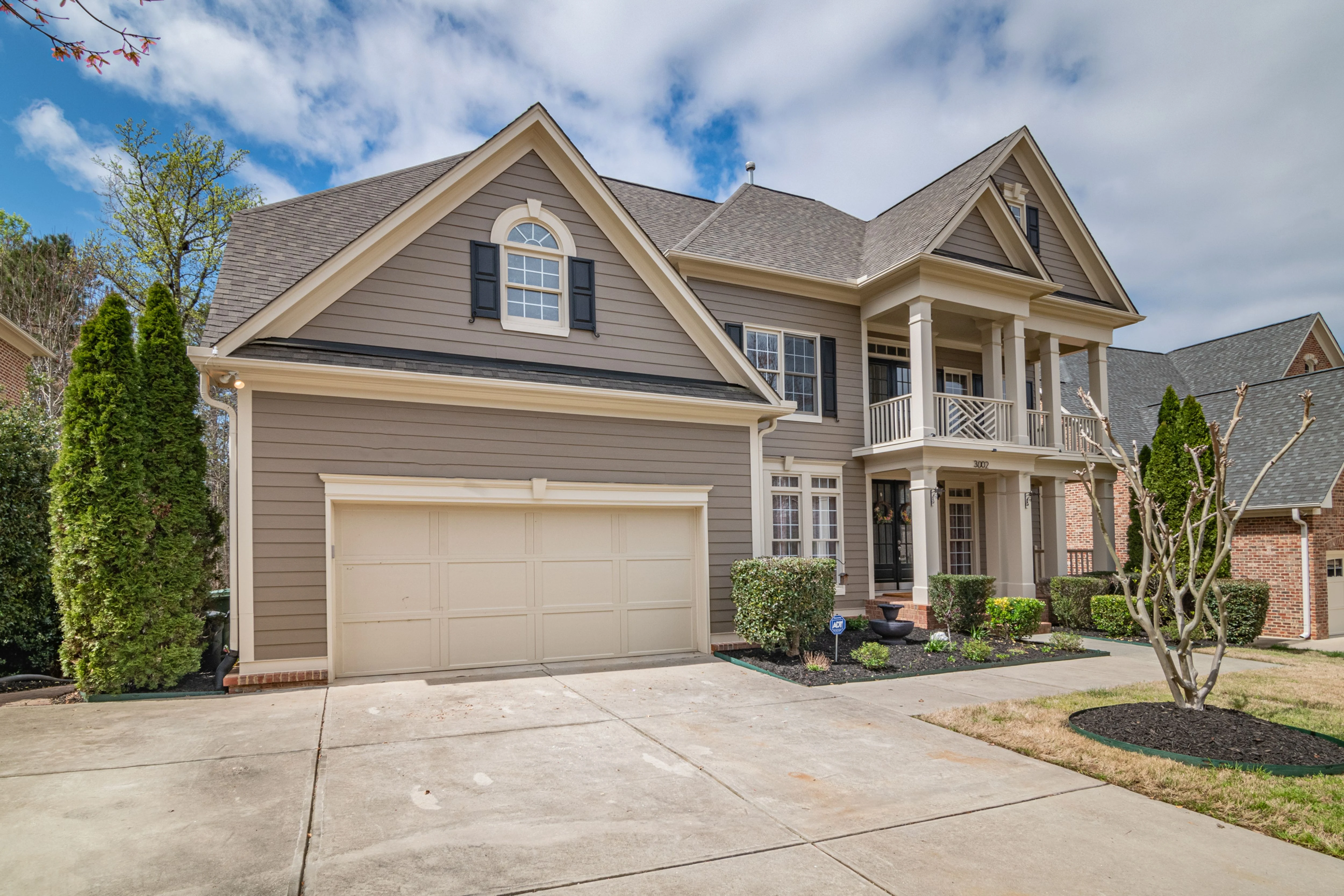
Add in the housing stock: homes across this service area were built mainly between 1938 and 1994, with a median year of 1963 and a heavy concentration of 1960s and 70s construction. A lot of that housing still runs on original garage wiring or a single shared circuit that was never meant to carry an opener, a freezer, and a battery charger at the same time. When the power drops in a cold spell and comes back with a surge, that older wiring and the opener's board take the hit together.
None of this is dramatic. It's just what happens when 1960s electrical planning meets a modern opener and a winter that doesn't cooperate.
The area
Season by Season
Winter is where power cuts and openers collide hardest. Cold snaps push utility grids and home wiring at the same time an unheated garage is pulling battery backup capacity down toward its floor. If your opener's battery backup was rated for four hours at 70 degrees, don't expect that in a 10-degree garage.
Spring brings the freeze-thaw swing itself, which is harder on hardware than steady cold. Moisture works into housings that were sealed decades ago, especially on the original units still running in homes from the 1960s median-year cluster we see across this area.
Summer is comparatively easy on the opener itself, but it's when boards fail from years of temperature swings finally give out, often with no obvious warning beyond a door that hesitates before it moves.
Fall is the one window to deal with any of this before the next cold stretch. If your opener still doesn't have a working manual release or a battery backup that's actually been tested, that's the season to sort it, not January.
What we find
What It Costs
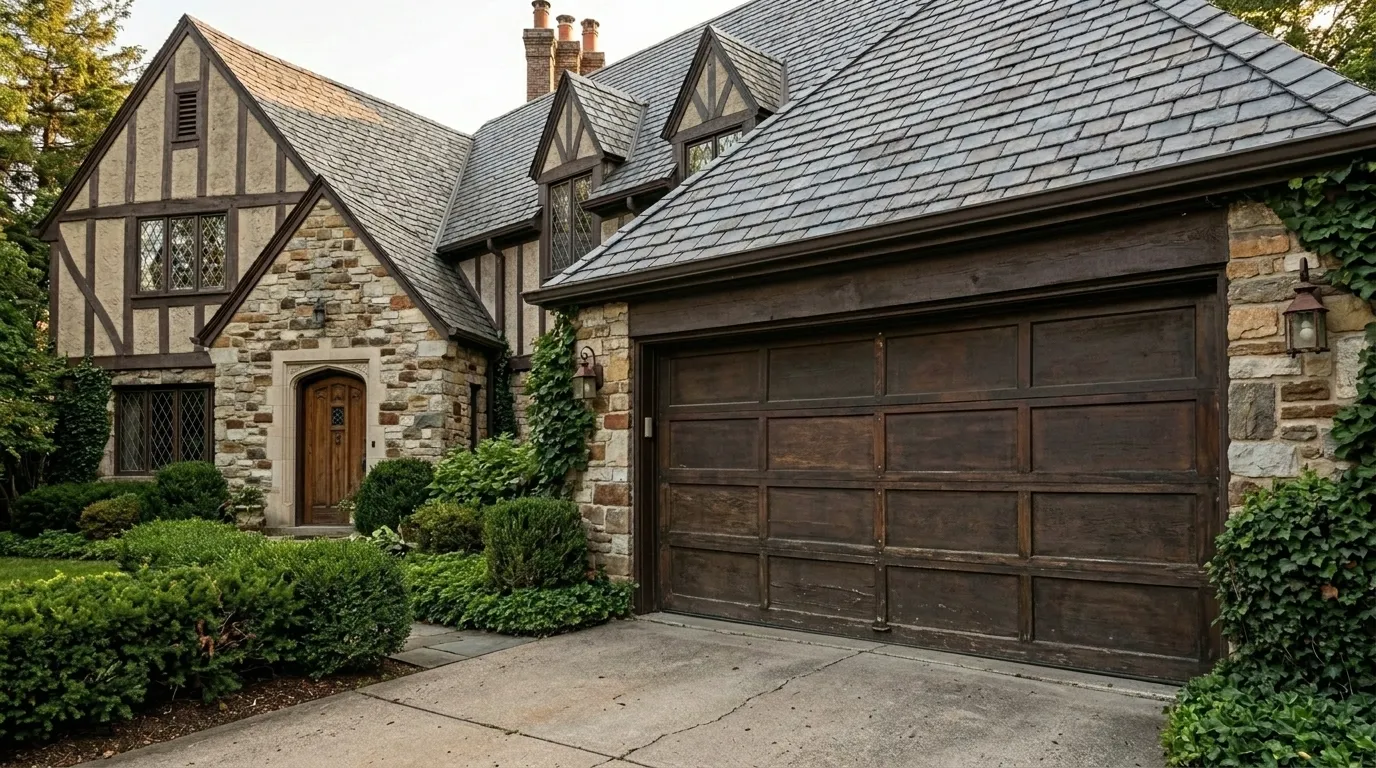
We don't have a price list to put in front of you here, and giving you a number without seeing the opener, the wiring behind it, and the door it's lifting wouldn't be honest. What we can tell you is what drives the cost up or down: the age of the existing opener, whether the garage circuit needs updating to support a battery backup safely, and whether the door itself is original to a house from that 1960s-70s stock this area is mostly built from. A straightforward opener swap on modern wiring is a different job than one where the circuit itself needs attention first.
One limitation worth saying plainly: if your garage wiring predates any of it, an opener replacement isn't always the whole fix. Sometimes the honest answer is that the opener is fine and the circuit is the actual problem, and that's an electrician's job, not ours.
How we work
What Is Going On
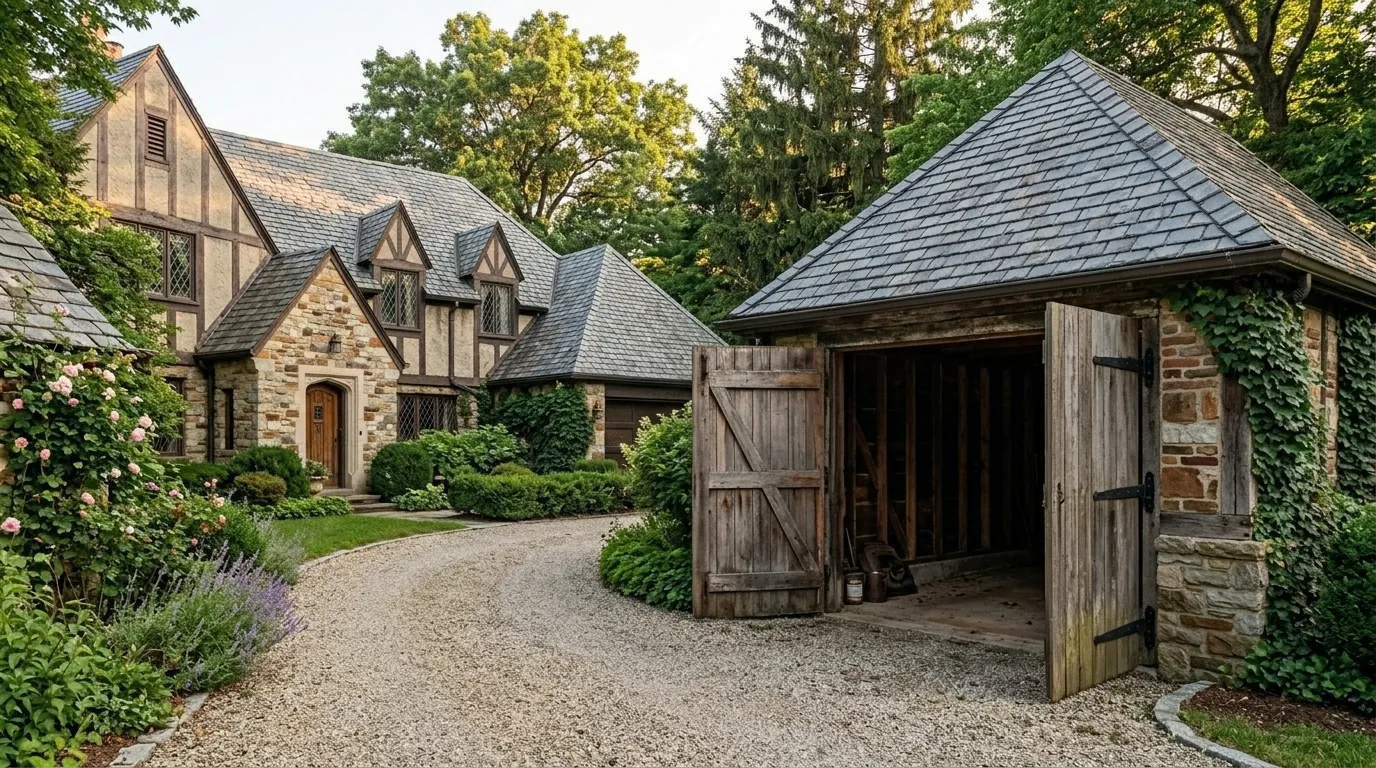
When the power cuts out, a garage door opener with no battery backup just stops working mid-cycle, which is why so many older homes in this area still rely on the manual release cord as the real emergency exit. That cord only works if it's been tested, and in a lot of houses from the 1960s median-year era it hasn't been touched since it was installed.
Battery backup units solve the outage problem but introduce the cold-capacity problem covered above. Belt drive versus chain drive doesn't change any of this; it's the board, the battery, and the wiring behind the wall that decide whether your door opens during a cut.
Across a service area of roughly 325,582 households, with about 152,489 owner-occupied houses and a median income near $96,794, we see a wide range of setups: original 1960s openers still running fine next to five-year-old units on undersized circuits. Age of the opener tells you less than age of the wiring behind it.
Questions
Common questions
Will a battery backup keep my opener working during a power cut in winter?
It should, but expect less runtime than the rated spec if your garage is unheated, which most attached garages here are. Cold cuts battery capacity noticeably. Test the backup in winter conditions, not just when you install it, so you know what it actually gives you.
My house was built in the 1960s and the opener still works. Do I need to replace it?
Not necessarily. A working opener on original 1960s-era wiring can be fine for years. The thing to check is the circuit it's on and whether the manual release still functions, since that's your fallback during any power cut.
Can you tell me what a new opener with battery backup costs?
We'd rather look at your circuit and door than quote a number blind. Older homes in this area sometimes need wiring work before backup power makes sense, and that changes the job significantly.
Ready when you are
Need a garage door sorted in Skokie?
Skokie Garage Door Pros repairs and installs garage doors, springs and openers in Skokie, IL and the surrounding area.