Mount Prospect, Skokie

Commercial Garage Door Service for Mount Prospect Businesses

Commercial garage door service in Mount Prospect, IL for steel doors built around 1969, torsion spring repair, and openers replaced by a crew from Skokie.

Commercial Garage Door Service for Mount Prospect Businesses in Skokie
Serving Skokie, ILBackground-checked techsHonest, upfront pricingFast local response

Pricing

What It Costs

There's no flat number to quote here, and giving one without seeing the door would be a guess dressed up as a fact. What does shape the estimate in Mount Prospect is the building stock itself.

1969 torsion steel standard

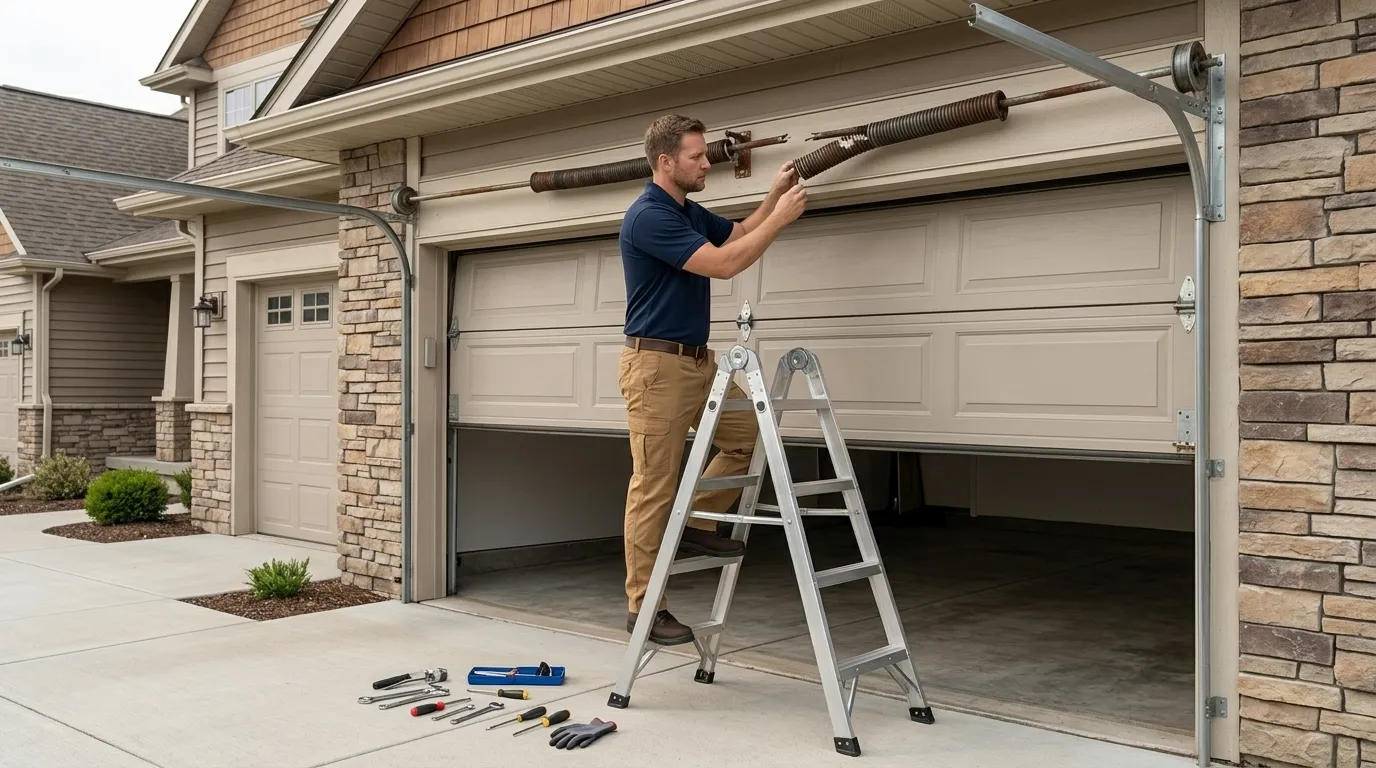
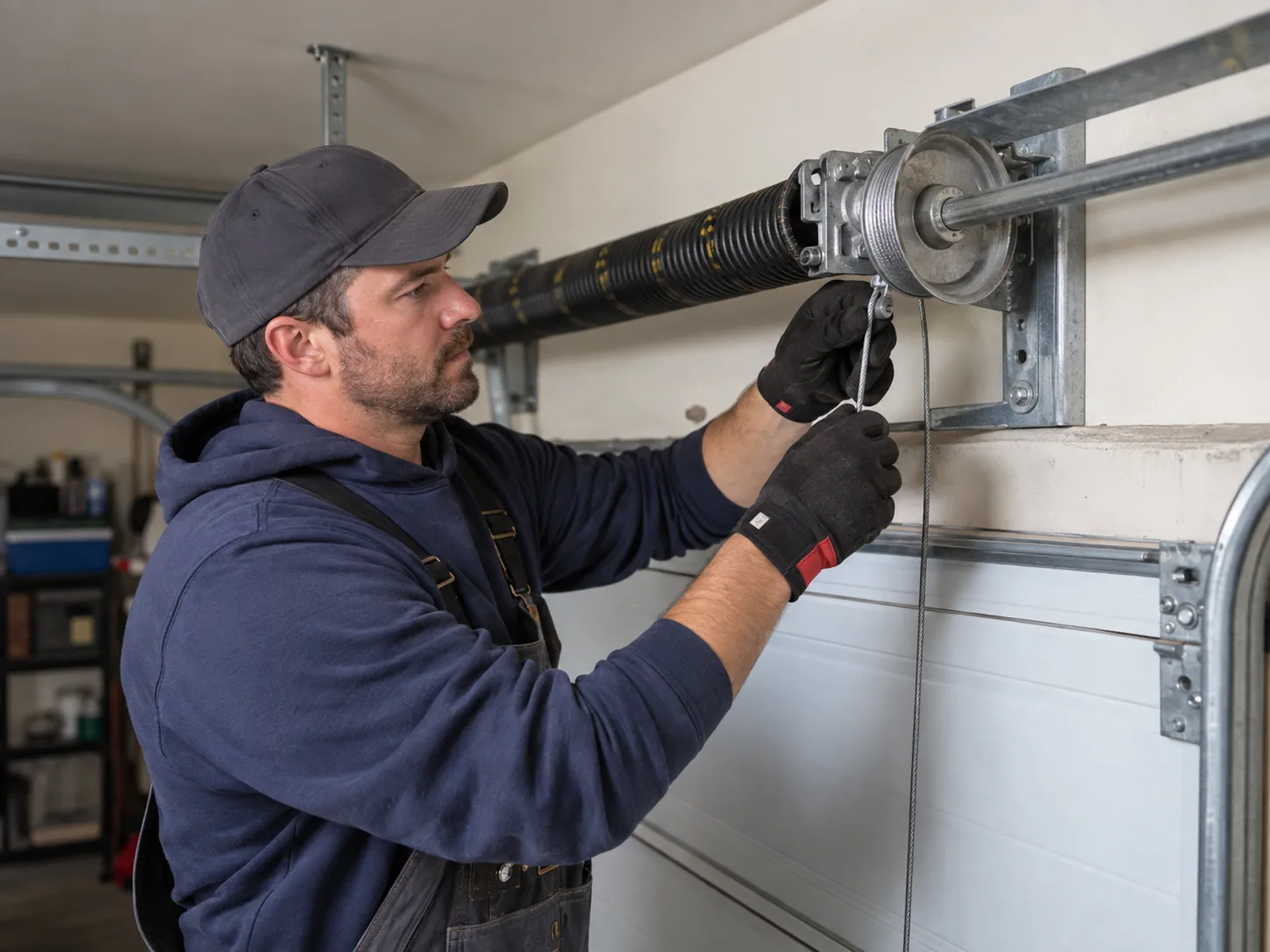
The area's median build year sits around 1969, so most commercial bays are steel sectional doors on torsion springs, not the lighter track-and-pulley setups you'd find on something built in the 1990s. Torsion hardware is more expensive to service correctly than the extension-spring rigs some newer strip malls use, because the spring has to be wound under tension with the right bar and the right count, not eyeballed.

Torsion service cost higher

Mount Prospect's median household income of $103,911 runs above the $96,794 median across the wider coverage area, and in practice that tends to show up as owners choosing a full steel panel swap over a patch when a section is dented or rusted through, rather than living with it another season.

Full replacement choice over patch

That's an observation about what gets chosen here, not a promise about what your job will run. A straight opener swap costs less than a full door replacement, and a broken spring alone is cheaper than either - the real number depends on which of those three you're actually dealing with.

Symptoms

The Symptom

On a door built to the specs common around 1969, the first sign of trouble is rarely the door refusing to move - it's the door moving unevenly, one side dropping half a second before the other, or the whole panel shuddering on the way down.

Uneven spring tension loss

That's a torsion spring losing tension unevenly, and on steel doors from this era the spring is usually original hardware nobody's touched since install, wound tighter than the newer galvanized replacements available now.

Cold subzero triggering

Cold-moderate winters here put extra strain on that same hardware: steel contracts, the bottom seal stiffens, and a spring that was already fatigued from decades of cycling can let go on a subzero morning when the door's asked to lift a slab of steel that's heavier than it was when it went up.

Opener strain before failure

A second common symptom on buildings this age is an opener straining audibly before it moves the door at all - that's usually the spring compensating for lost tension, not the opener failing on its own. Either symptom on a door from this build era points to the spring system first, before the opener gets blamed and replaced for no reason.

DIY or pro

Doing It Yourself

A torsion spring under tension can put someone in the hospital, and that's true whether the door is five years old or fifty. This isn't a job for a homeowner's toolbox, and it isn't one this crew will walk you through over the phone.

Track and seal visual check

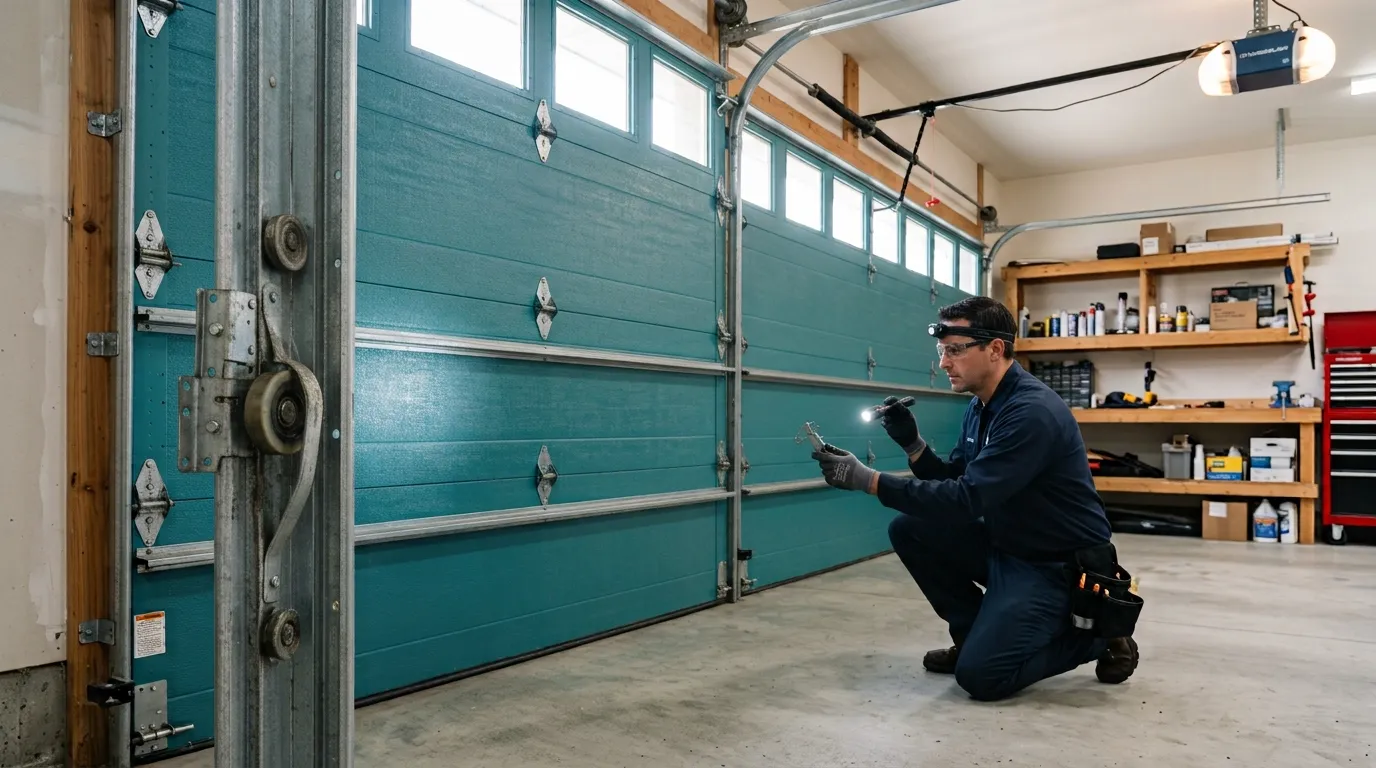
What you can safely check yourself: the tracks for visible dents or rust bridging the rail, the bottom seal for tears letting cold air through, and whether the door drops evenly or lists to one side when it's disconnected from the opener and lowered by hand slowly.

Spring imbalance indicator

If it lists, that's the spring - stop there and call it in rather than trying to adjust tension yourself. Lubricating rollers and hinges with a light garage door lubricant is fine and worth doing twice a year, especially given the freeze-thaw cycling this area gets.

Door weight safety consideration

What isn't worth attempting: winding or unwinding a torsion spring, replacing cables under load, or forcing a door that's binding in the track. On steel doors from the 1969-era stock common here, the panels are also heavier than modern insulated alternatives, which means a DIY mistake carries more force behind it, not less.

Job timing

Time on the Job

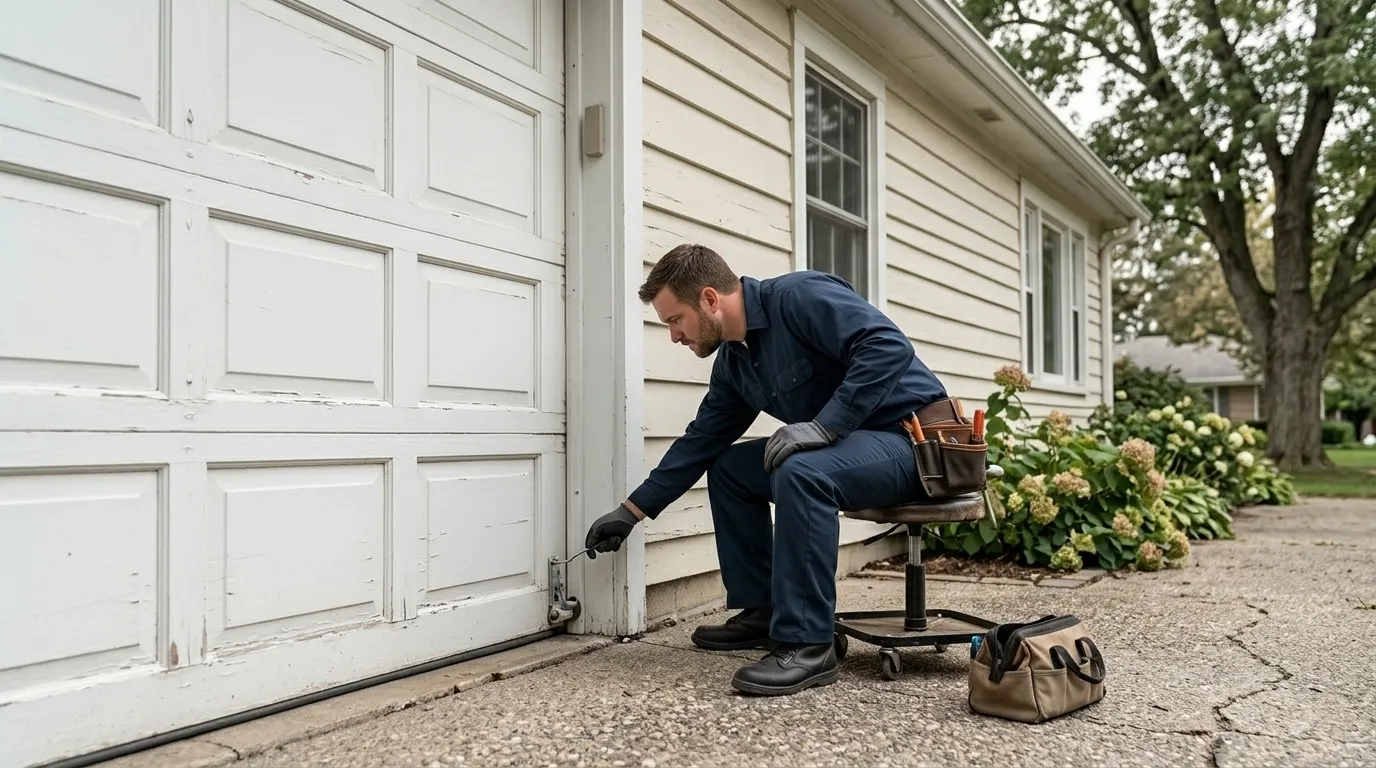
The truck comes from Skokie, ten miles south, so factor that drive into when the crew actually arrives - there's no branch or depot sitting closer to Mount Prospect, and this page won't pretend otherwise. Once the truck's on site, the job itself splits roughly by what's actually broken. A spring replacement on a torsion system is a focused job - get the door safely secured, remove the old spring, install and wind the new one to the correct count, test the balance. An opener swap runs longer since the old unit has to come down before the new one goes up and gets programmed to the existing door. A full panel or door replacement on a building from this era takes the longest, because a steel sectional door installed around 1969 was often built to dimensions that don't match anything sold today, and the old track and header hardware sometimes has to be reworked to fit a current door rather than just bolting a new one into the old frame. None of that is unique to any one building - it's a function of the door's age and type, which is why an accurate time estimate needs the crew to actually see the door first.

Time on the Job
What Can Go Wrong

Watch-outs

What Can Go Wrong

The most common failure on doors from Mount Prospect's building era is the torsion spring finally letting go after decades of temperature cycling - cold-moderate winters expand and contract the steel enough, year over year, that fatigue catches up with hardware nobody's replaced since installation. Close behind that is cable wear: original cables on a door this old have often frayed at the drum without anyone noticing until one snaps and the door drops unevenly or jams half-open. Panel rust along the bottom section is common too, especially where a door's been left exposed to road salt and slush tracked in during winter - steel from that build era wasn't always galvanized the way current stock is. On the opener side, motors from an earlier replacement cycle sometimes strip their gears trying to compensate for a spring that's already lost tension, which is why a symptom that looks like an opener problem often traces back to the spring instead. One honest limit: if the original track and header framing on a building this age is bent or out of square, sometimes the more sensible move is a header rebuild alongside the door rather than forcing a modern door into an old frame - that's a bigger job, and it's worth saying so up front rather than discovering it mid-install.

Questions

Common questions

Do you have a branch in Mount Prospect?

No. This crew works out of Skokie and travels the ten miles to Mount Prospect for commercial calls. There's no local depot, so plan for that drive time when you're scheduling, especially for anything urgent.

Why does my door feel heavier than it used to?

On buildings from Mount Prospect's build era, around 1969, steel sectional doors run on torsion springs that lose tension gradually over decades. As tension drops, the opener has to do more of the lifting, which is why the door can feel like it's fighting you even before a spring fully fails.

Is it worth replacing the whole door instead of repairing it?

Depends on what's wrong. A spring or cable failure is usually a repair, not a replacement. But if the panels are rusted through or the original track no longer matches anything sold today, a full swap can end up cheaper long-term than patching hardware from a 1960s-era install repeatedly.

Ready when you are

Need a garage door sorted in Skokie?

Skokie Garage Door Pros repairs and installs garage doors, springs and openers in Skokie, IL and the surrounding area.

Call Now(224) 353-7692