Berwyn, Skokie

New Garage Door Installation for Berwyn's Older Housing Stock

Berwyn homes date to 1938, decades older than the area's 1963 median. That gap changes what doors and hardware a new install actually needs here.

New Garage Door Installation for Berwyn's Older Housing Stock in Skokie
Serving Skokie, ILBackground-checked techsHonest, upfront pricingFast local response

Local causes

Why This Fails Locally

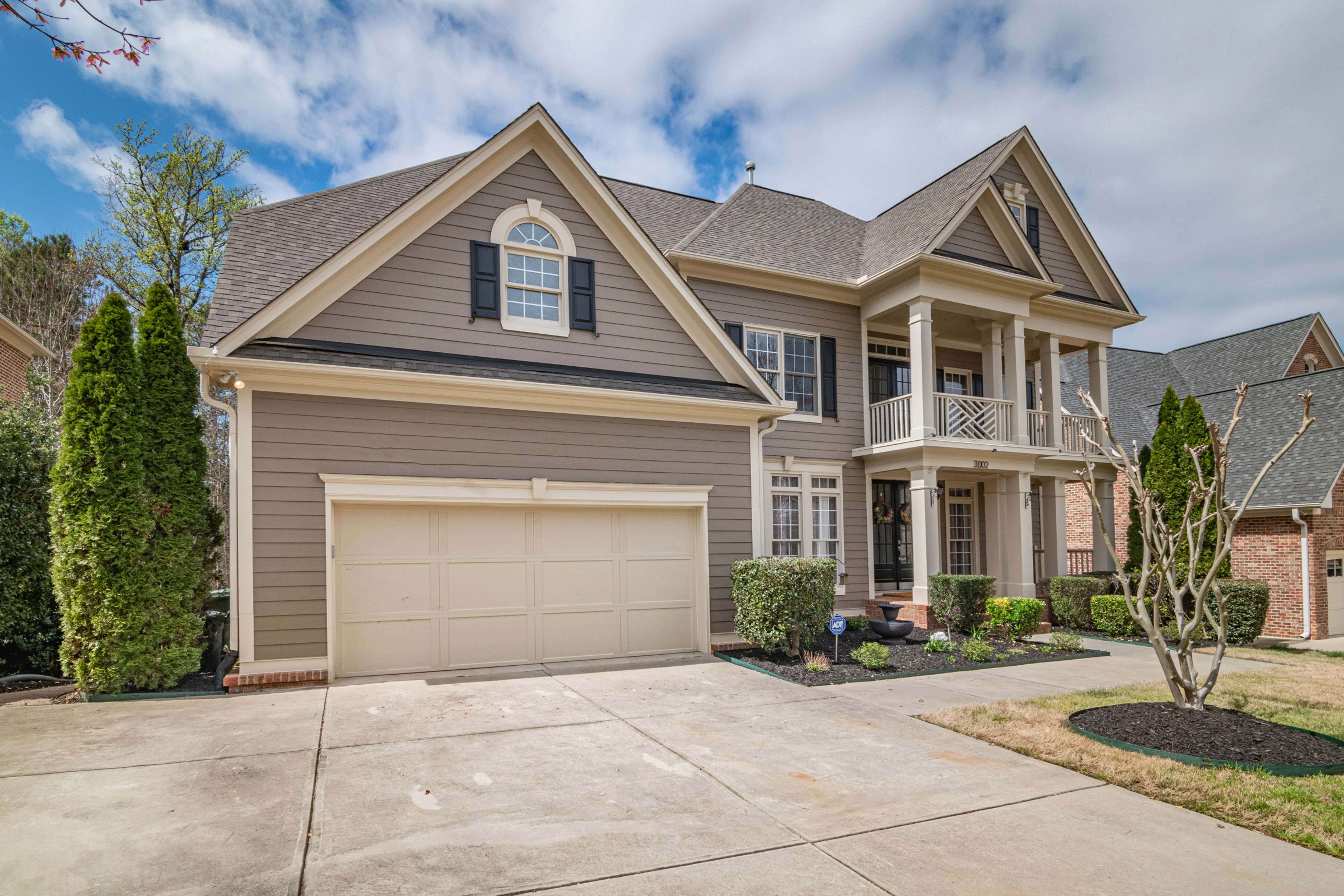
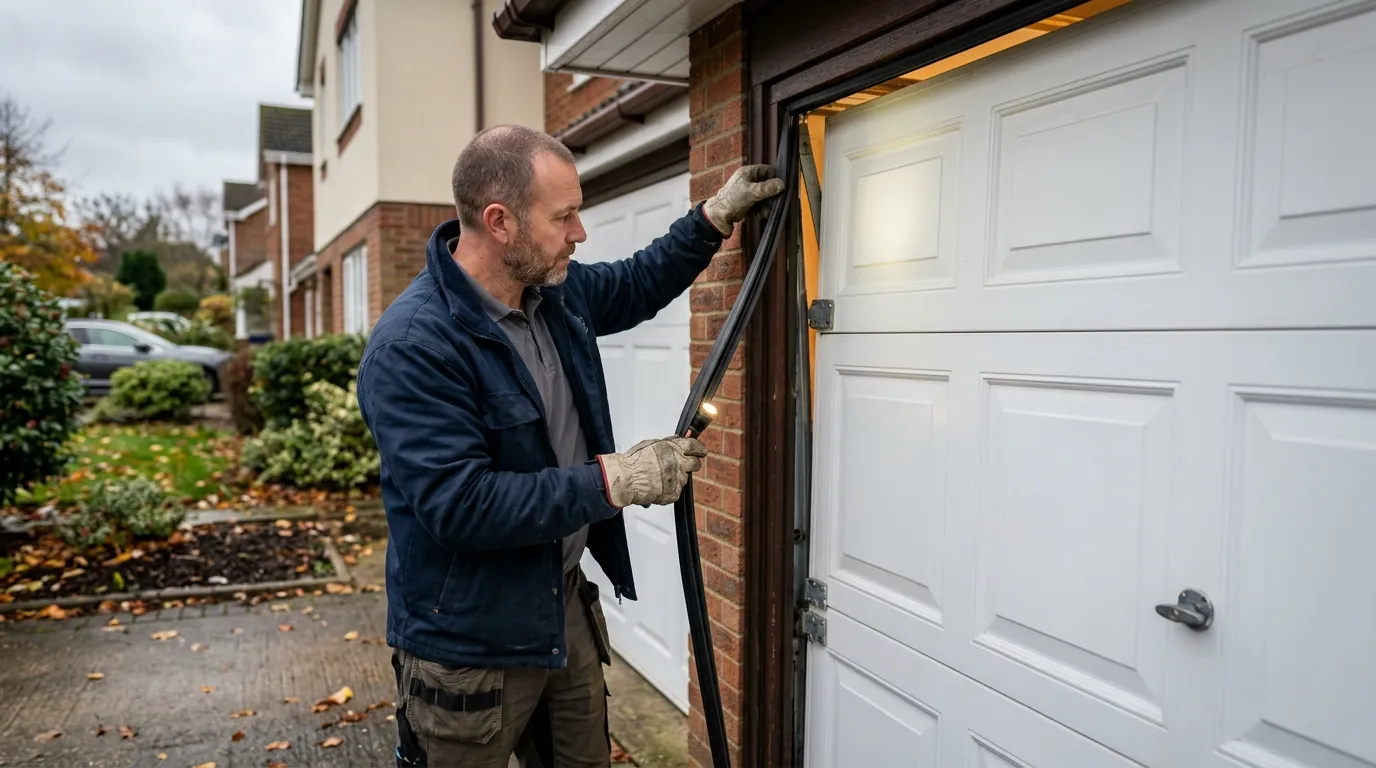
Berwyn's houses have a median build year of 1938, which puts a lot of the neighborhood a full generation ahead of the 1963 median across the wider area we cover from Skokie. Doors going into openings that old were sized to a narrower standard than what's sold today, and the framing around them was built for a lighter, single-layer wood door - not the insulated steel or composite sections that make up most new installs now. When a homeowner in one of these houses finally replaces a door that's been patched for years, the opening itself is often the problem: out of square, undersized, or trimmed with jamb material that won't hold new hardware without extra work. We don't guess at this from a truck. Every Berwyn install starts with measuring the actual opening against the door going in, because on housing this old, assuming the rough opening matches a modern standard size is how a job goes sideways on install day. This region also sits in a cold-moderate climate band, which matters for how a door on an opening this age gets sealed once it's in.

Why This Fails Locally
What Can Go Wrong

Watch-outs

What Can Go Wrong

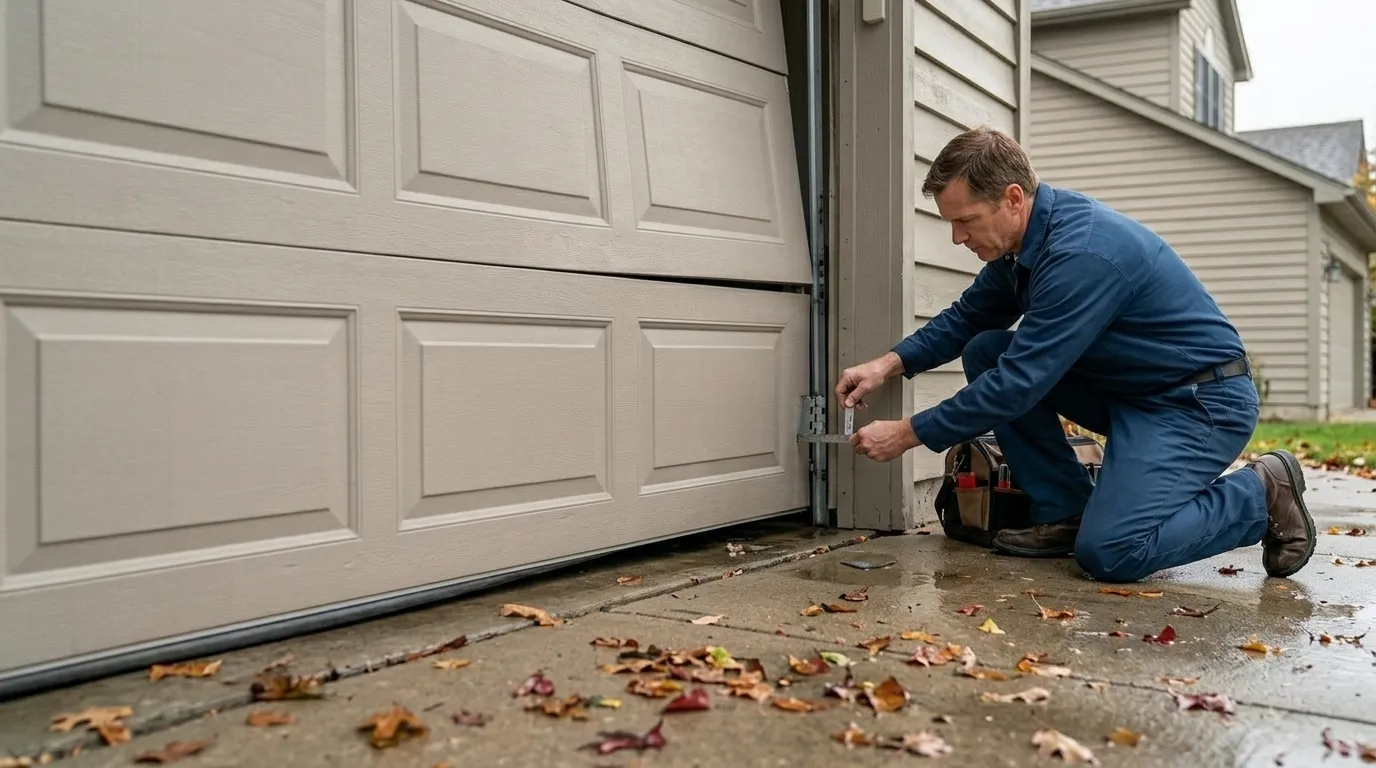
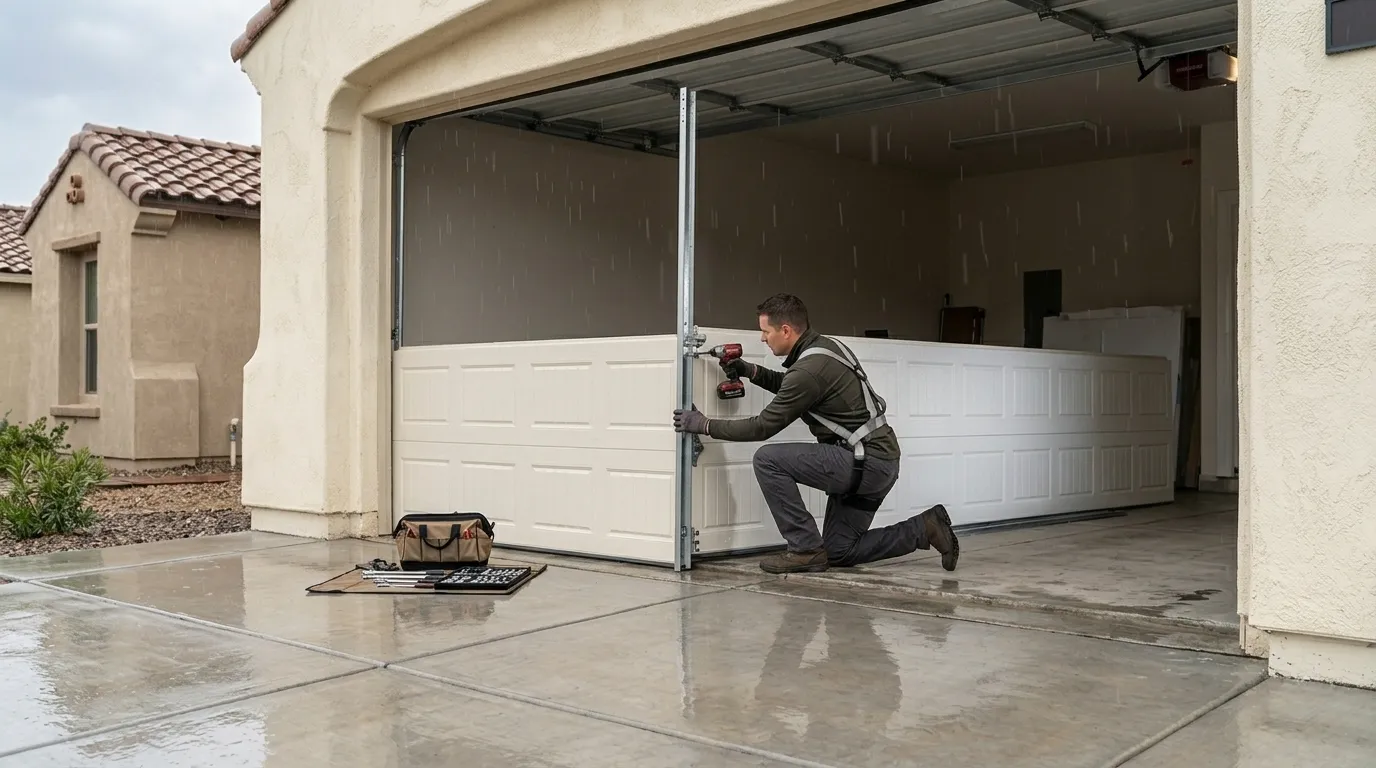
On openings from the 1930s and 40s, the header above the door was often framed to carry less weight than a modern insulated steel door puts on it - especially a double door with a heavier wind load rating. If nobody checks that before installing, the door can sag at the header over a few winters. Track mounting is another spot: older jambs were built for lighter track brackets, and if a crew reuses old fastener holes instead of setting new ones, the track works loose faster than it should. We also see openings that were resized once already, years back, with a header that doesn't match the studs on either side - cosmetically fine, structurally inconsistent. None of this is unique to any one house, but it's common enough on stock this age that we plan for it rather than find out mid-install.

Our process

How We Fix It

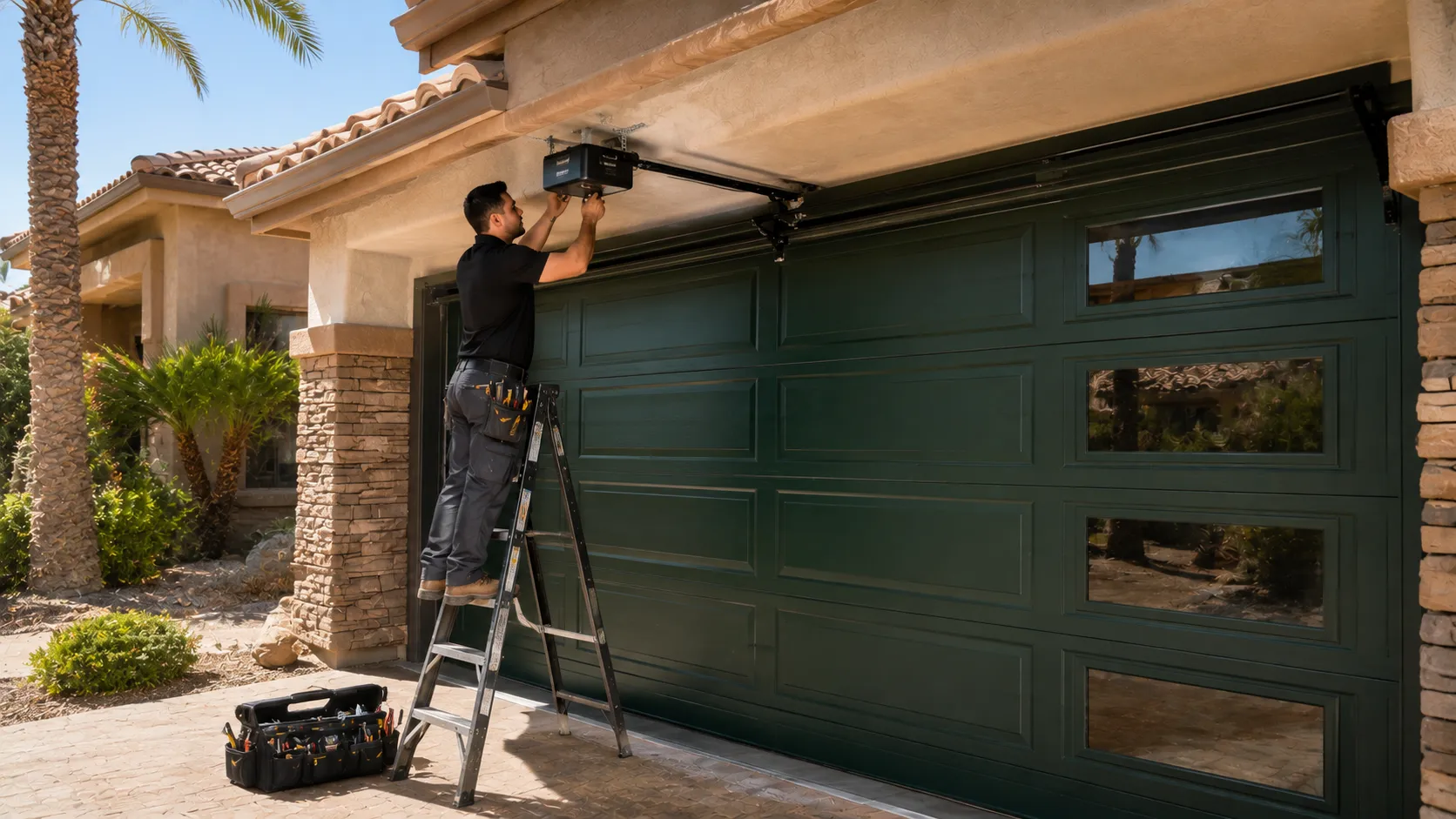
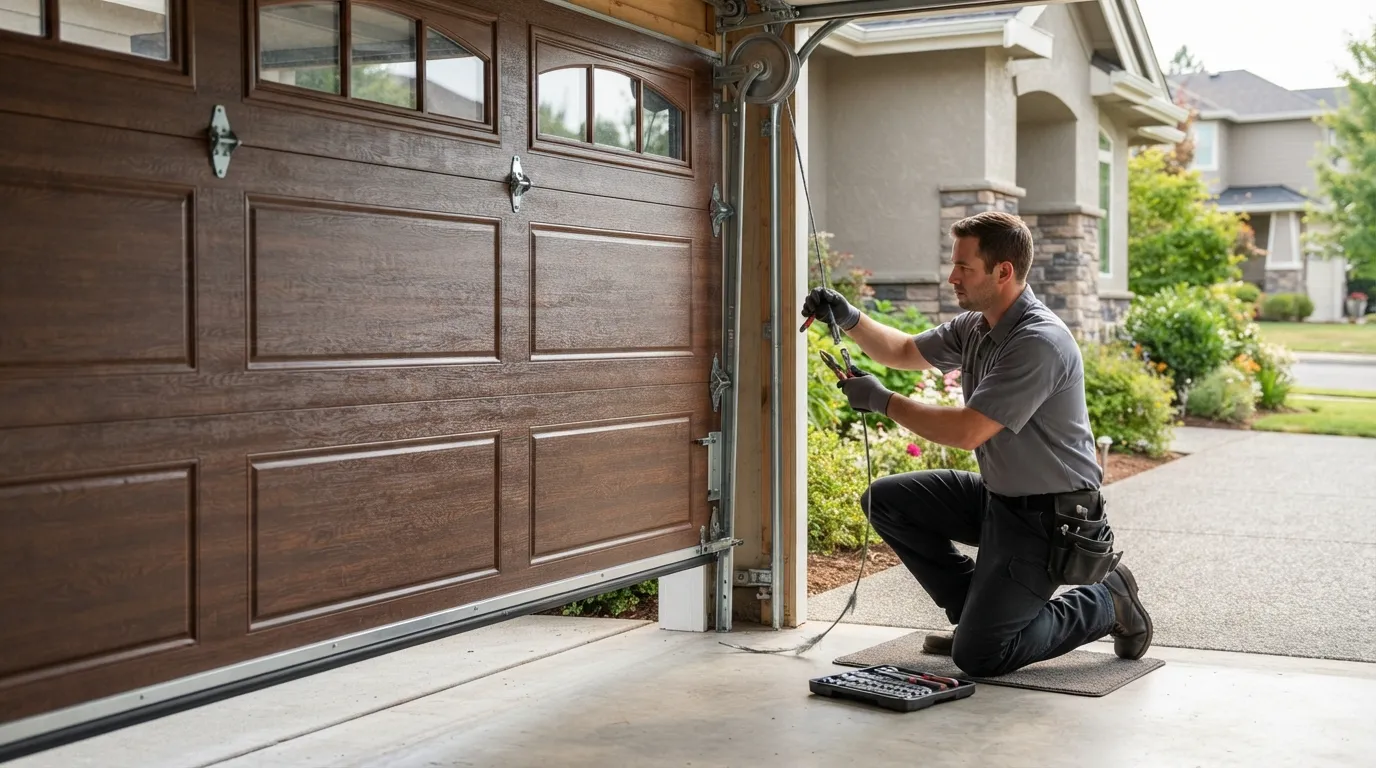
We start by opening up the jamb and header, not just the door, so we know what we're actually fastening new hardware into.

Undersized headers need reinforcement

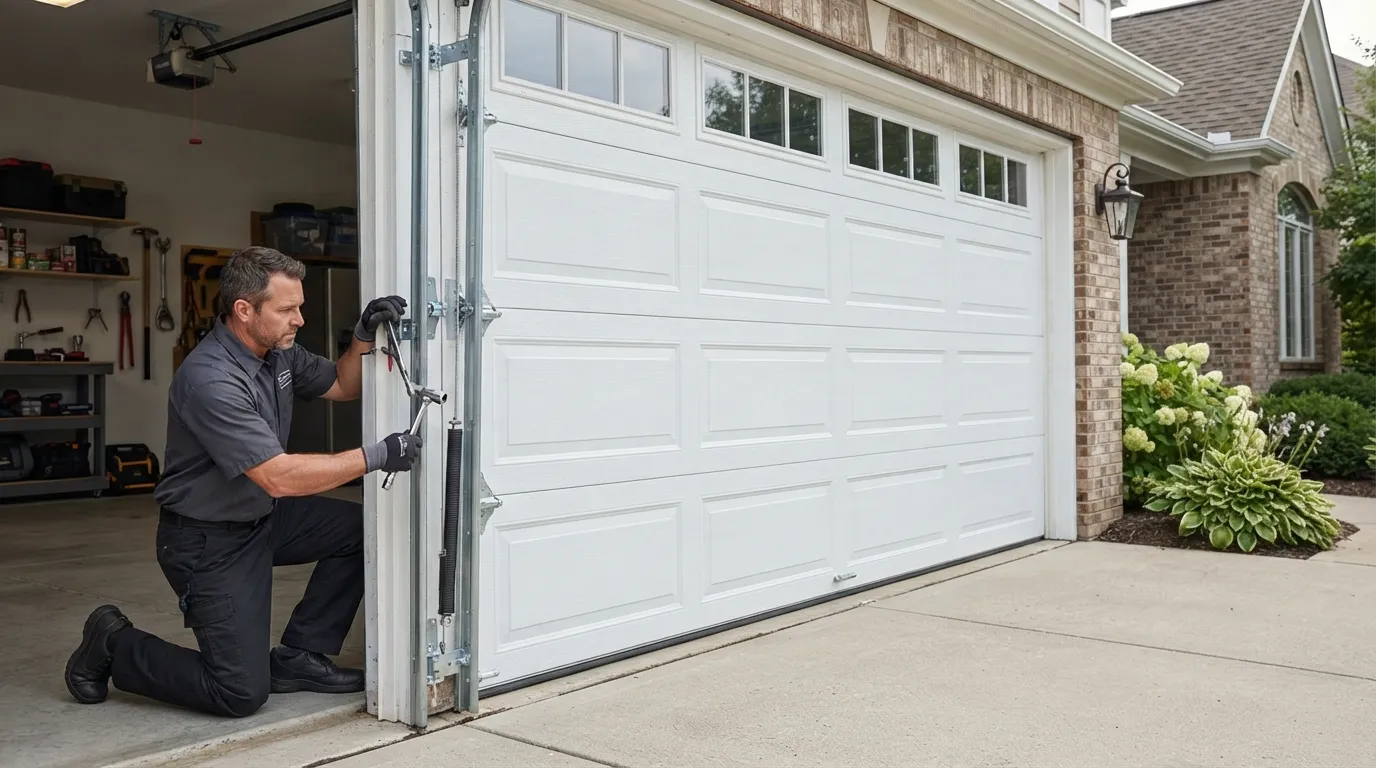
If the header's undersized for the new door's weight, we reinforce it before the door goes in - that's not an upsell, it's what keeps a new door from sagging in year two. Track and hinge hardware gets set into fresh, properly spaced fastener points rather than reusing whatever's already there from the original install.

Climate drives seal selection

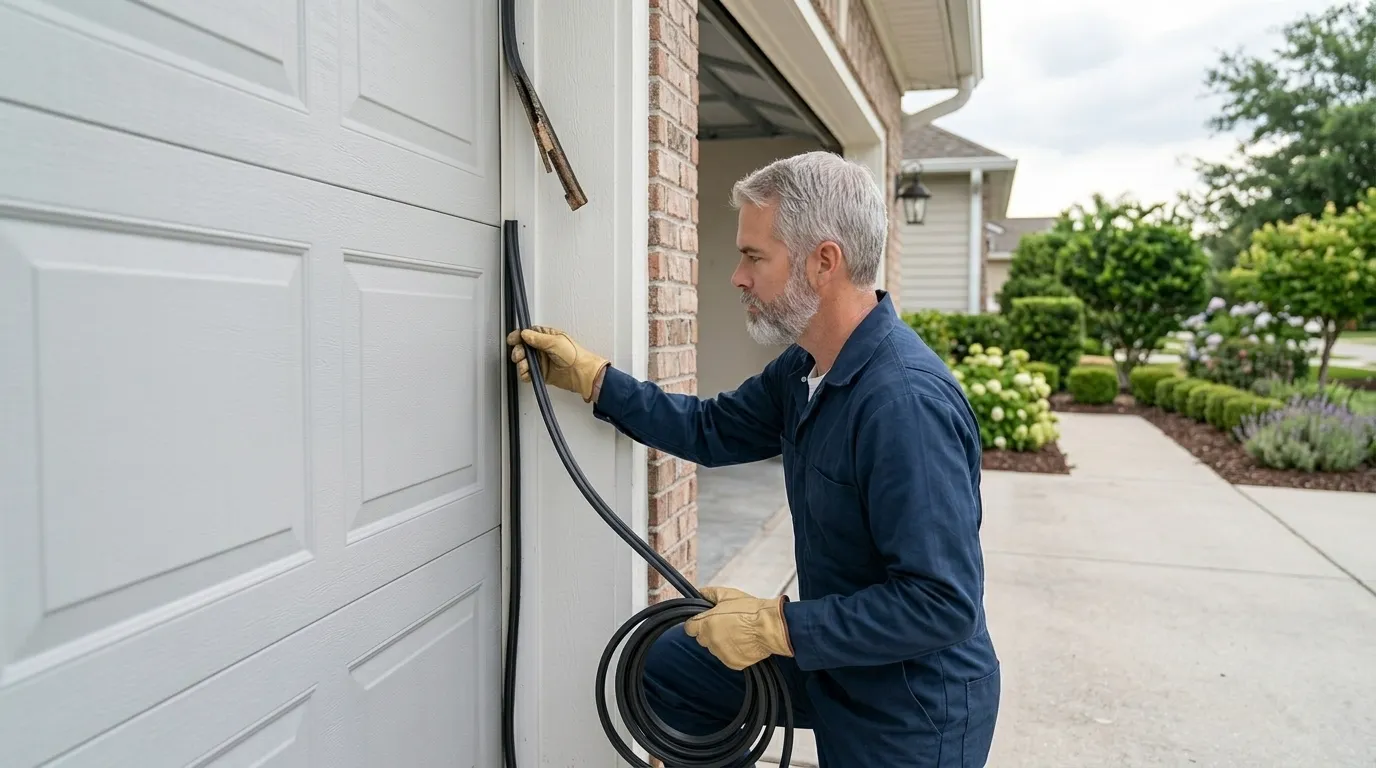
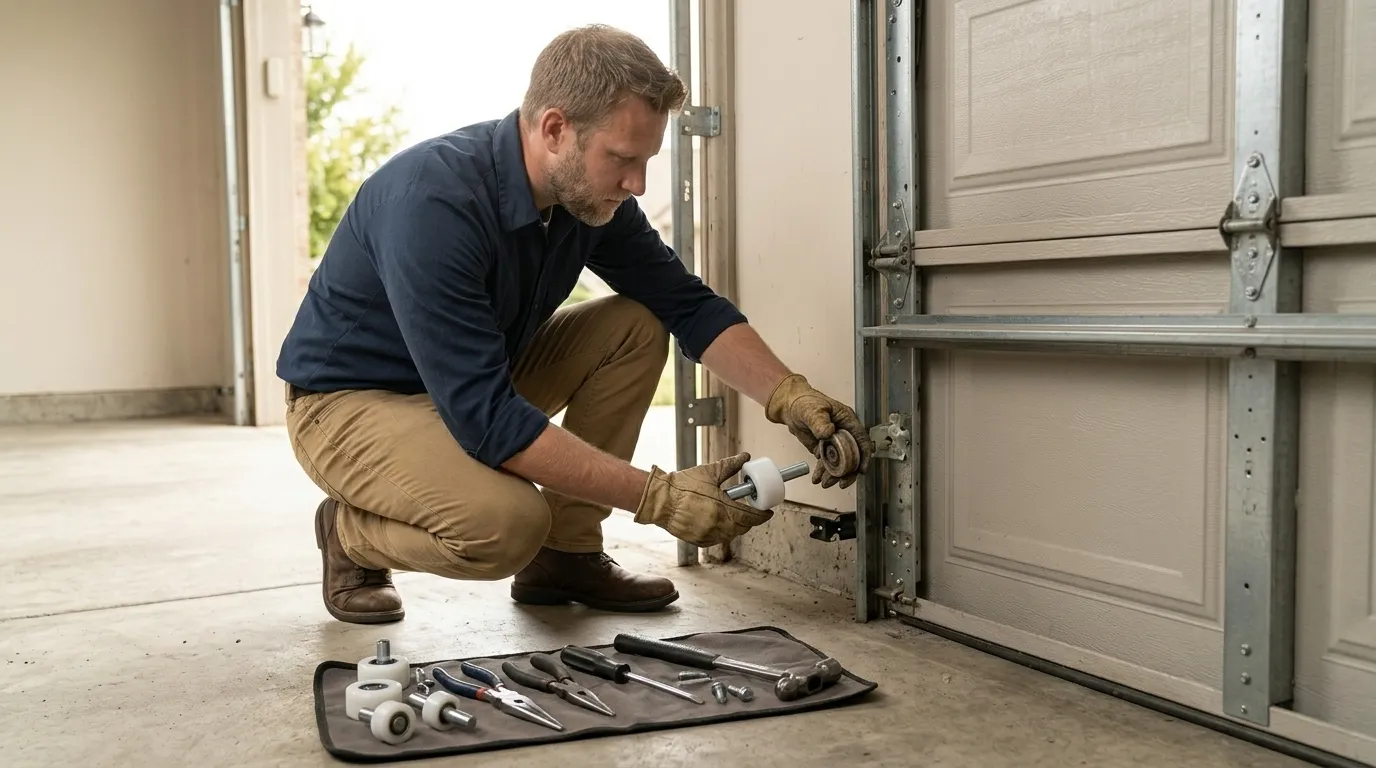
On a cold-moderate climate like this one, we also make sure the bottom seal and weatherstripping are matched to the gap the old opening actually has, since a house built in 1938 rarely has a perfectly square opening even after decades of settling. We size the new door and opener to the opening as it is now, not as a catalog spec assumes it should be.

Doing It Yourself

DIY or pro

Doing It Yourself

If you're comfortable with basic carpentry, swapping a door slab on a newer, square opening is a reasonable DIY project. On housing from this era, it usually isn't. Squaring a header, checking stud spacing against a new door's weight, and resetting track brackets into sound wood aren't jobs to learn on your own garage - get them wrong and the door either won't seal right or won't hold up under spring tension. We'll also say plainly: if your opening is badly out of square or the header's compromised, no door installer can just hang a door and call it done. That's a repair job before it's an install job, and it costs more time up front to do right.

Job timing

Time on the Job

A straightforward swap on an opening that's still square runs shorter than one where we have to true up a header or reset the jamb first.

Older homes need framing work

On Berwyn's older housing, expect the second scenario more often than not - we'd rather tell a homeowner up front that the job includes framing work than have that show up as a surprise partway through.

Trip planning replaces fixed slots

We travel to Berwyn from our base in Skokie, about 14 miles out, and we plan the day around what the opening needs, not a fixed slot.

Pricing

What It Costs

We don't have a set price to quote sight-unseen for Berwyn, because the framing condition of the opening drives the cost as much as the door itself does. A clean swap on a square opening costs less than one that needs header reinforcement or jamb rebuild first. We'll tell you which situation you're in before any work starts, not after. See our coverage area or check the full installation service out of Skokie for what a standard new install involves.

What It Costs

Questions

Common questions

Will my old garage opening fit a standard new door?

Not always. A lot of Berwyn's housing stock dates to 1938, well before the door sizing standards most manufacturers build to now. We measure the actual opening before ordering anything, because assuming it matches a modern standard size is how installs run into trouble on older homes.

Do you have a branch in Berwyn?

No. We're based in Skokie and travel to Berwyn, about 14 miles away, for installs. There's no local depot or drop-in service window here - we schedule the trip around the job.

Why would my install need framing work, not just a new door?

On houses built in the 1930s and 40s, headers were often sized for lighter wood doors, not insulated steel. If the header can't carry the new door's weight, we reinforce it first. Skipping that step is why some new doors sag within a couple of winters.

Ready when you are

Need a garage door sorted in Skokie?

Skokie Garage Door Pros repairs and installs garage doors, springs and openers in Skokie, IL and the surrounding area.

Call Now(224) 353-7692